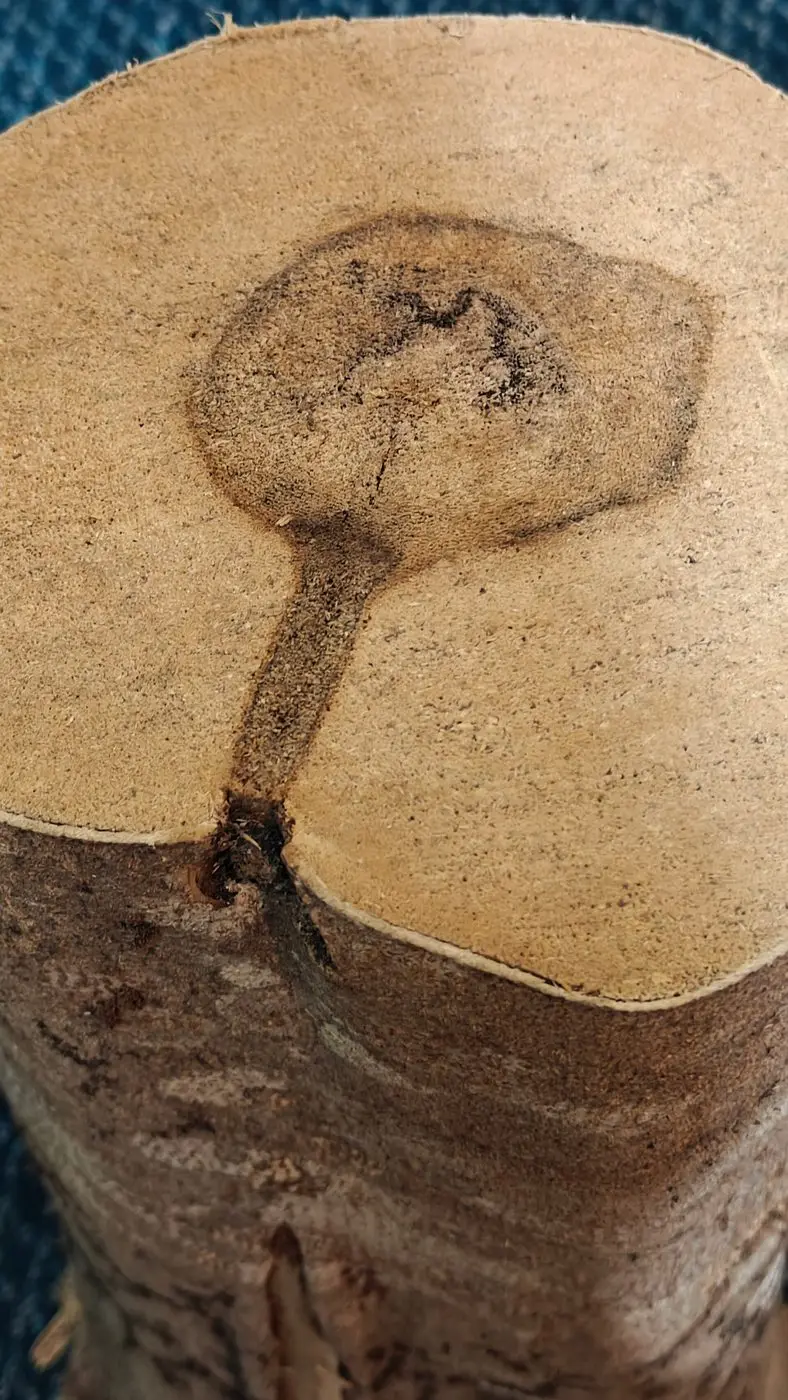
Agarwood — also called oud, aloeswood or gaharu — is the resin-saturated heartwood of Aquilaria trees. It forms when a tree is wounded and infected, and the trade values it by the density and quality of that resin. It is burned or gently heated as incense, especially in the Gulf and East Asia, and distilled into oud oil.
Chips are graded on resin content, which shows in their weight, colour and streaking, and on the scent they give off when heated. The densest pieces, which sink in water, are the most valuable. Grading terms are not standardised, so a description, photographs and a sample matter more than a grade name. Cambodia, Vietnam, Indonesia, Malaysia, India and Thailand are the main producing countries, and inoculated plantation wood now makes up much of the trade.
All agarwood species (Aquilaria and Gyrinops) are listed in CITES Appendix II. International trade in chips, wood and products requires CITES export permits, so ask for the permit pathway before agreeing a shipment.