Skip to content

Category

Seeds & Spices

Aromatic seeds, stigmas and spice materials for fragrance and flavour-adjacent work.

2 materials

Buyer’s guide

Buying aromatic seeds and spices

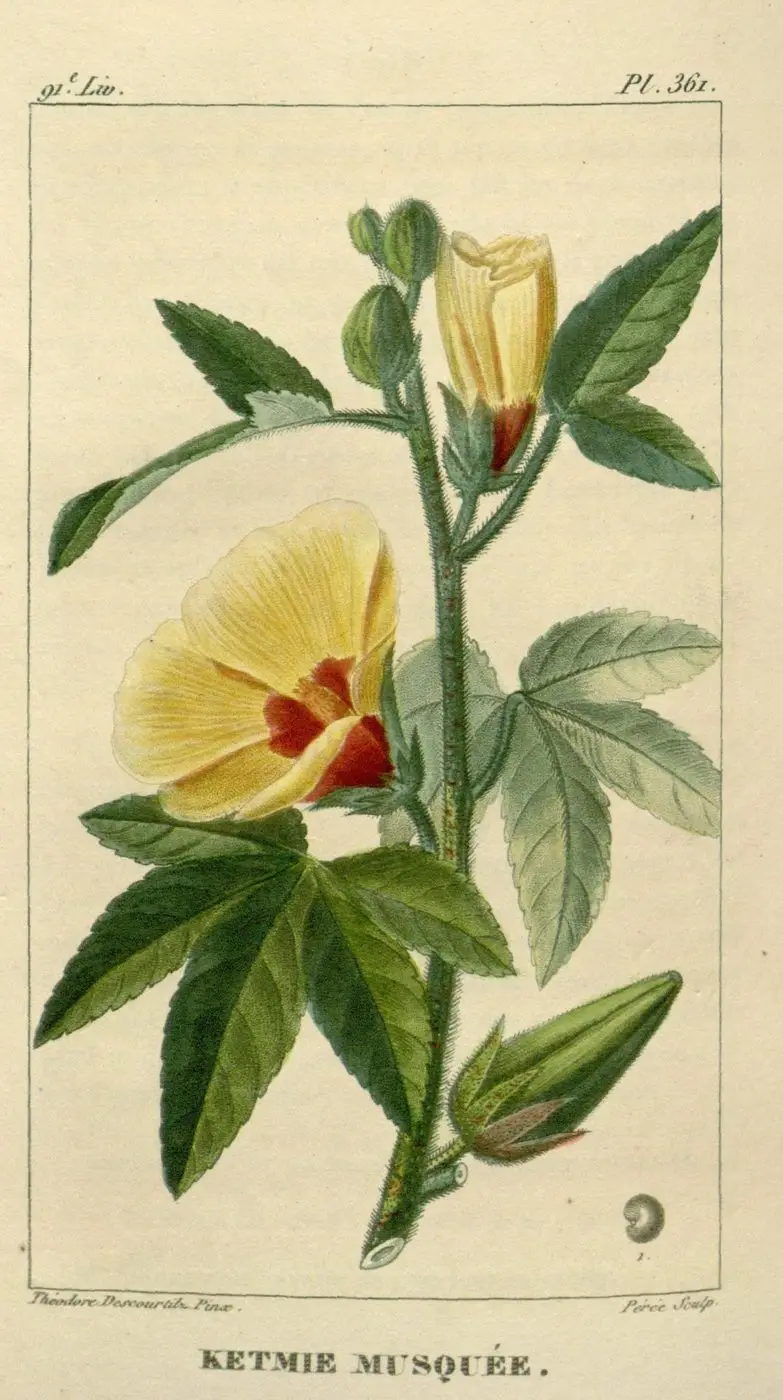
Seeds and spices supply perfumery with warm, musky and gourmand notes. In this catalogue the category covers saffron and ambrette seed — two materials at opposite ends of the trade, one a food-grade spice graded by international standard, the other a botanical source of natural macrocyclic musk.

Both are sold raw and as extracts. Saffron is traded as dried stigmas (threads) and used in perfumery mostly as an absolute or CO2 extract, or through its key aroma molecule safranal. Ambrette seed is distilled or CO2-extracted; its value lies in ambrettolide, a macrocyclic musk that gives a soft, wine-like musk note with no synthetic equivalent of the same character.

Adulteration is the main risk with high-value spices. Saffron has a well-documented history of dyed safflower, extra style material and bulking; the ISO 3632 standard and laboratory testing are the defence. For seed extracts, GC-MS confirms the musk content and flags dilution.
Common questions

How is saffron quality measured?
ISO 3632 grades saffron on colouring strength (crocin), bitterness (picrocrocin) and aroma (safranal), measured by spectrophotometry, along with moisture and foreign matter. Category I is the top grade. Ask for a laboratory certificate rather than a visual description.
What gives ambrette its musk note?
Ambrettolide, a macrocyclic lactone present in the seed. It is one of the few natural plant musks, which is why ambrette extracts are prized in fine fragrance.
Can saffron be used in perfume?
Yes, usually as an absolute or CO2 extract, or reconstructed around safranal. Extracts are expensive, so many formulas use them at trace levels for their leathery, hay-like warmth.
This site is populated with clearly marked sample data for demonstration. Quantities, lots, offers and documentation shown are illustrative and are not offers to sell.