Skip to content

Category

Resins & Gums

Resins are the oldest traded aromatics and remain among the least standardised. A single species yields grades that differ by tapping season, tree age, tapping interval and post-harvest sorting — none of which is visible in a trade name such as 'Grade 1'.

4 materials

Buyer’s guide

Buying natural resins and gums

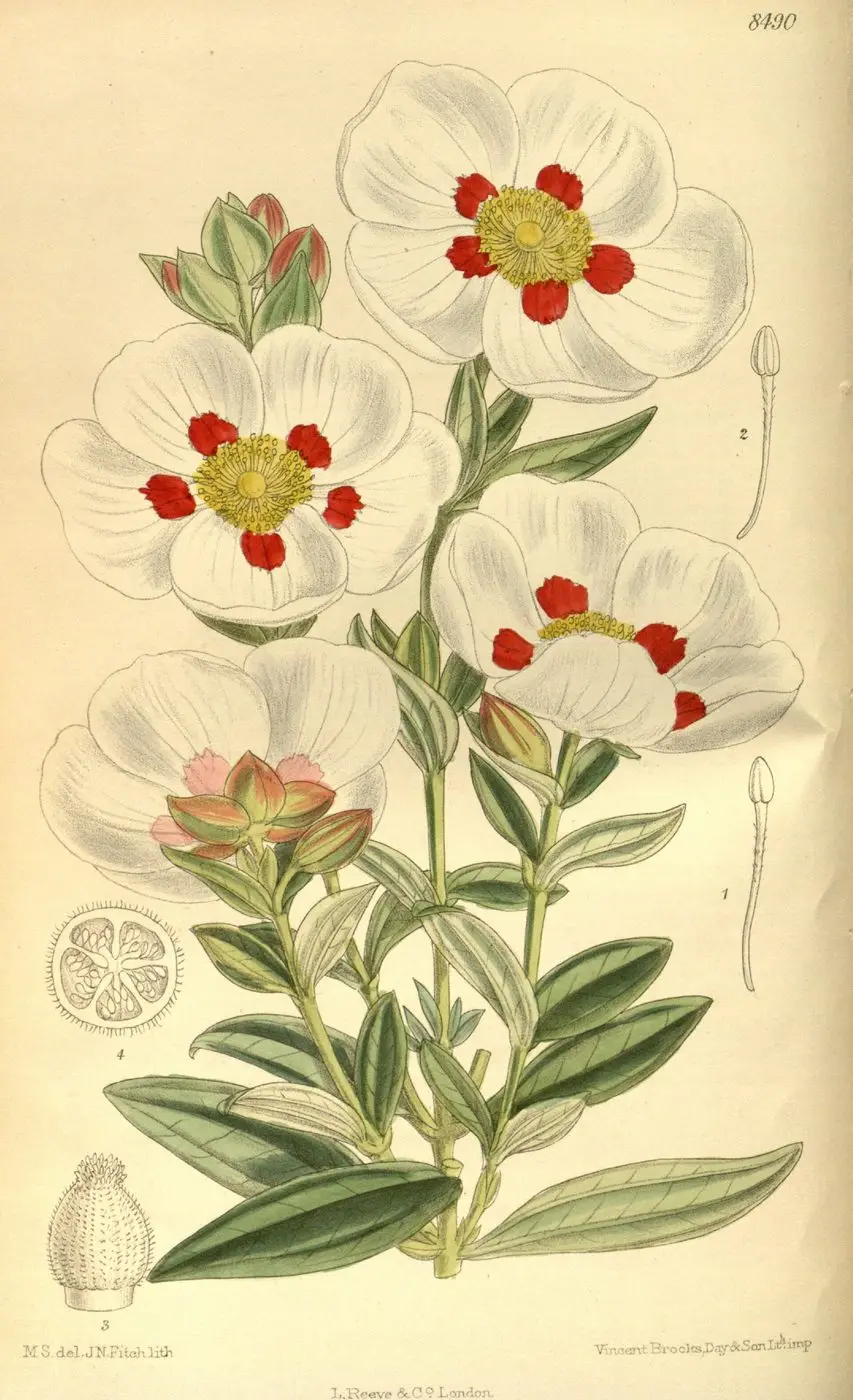
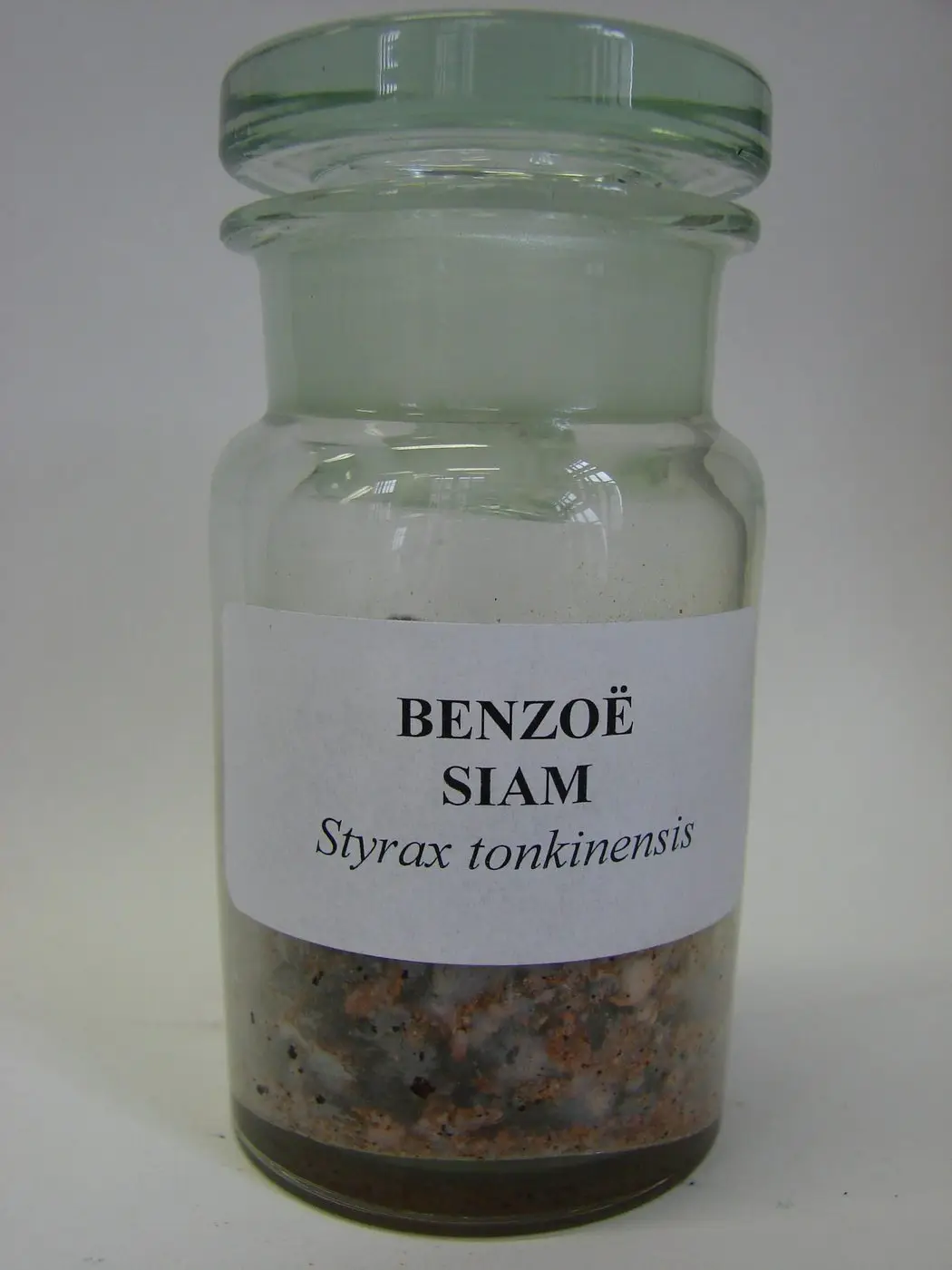
Resins and gums are exudates collected from the bark of living trees and shrubs. Frankincense (Boswellia), myrrh and opoponax (Commiphora), labdanum (Cistus) and benzoin (Styrax) are the core perfumery materials. Most are harvested by tapping wild trees in arid regions of the Horn of Africa, the Arabian Peninsula, the Mediterranean and Southeast Asia, then sorted by hand into grades.

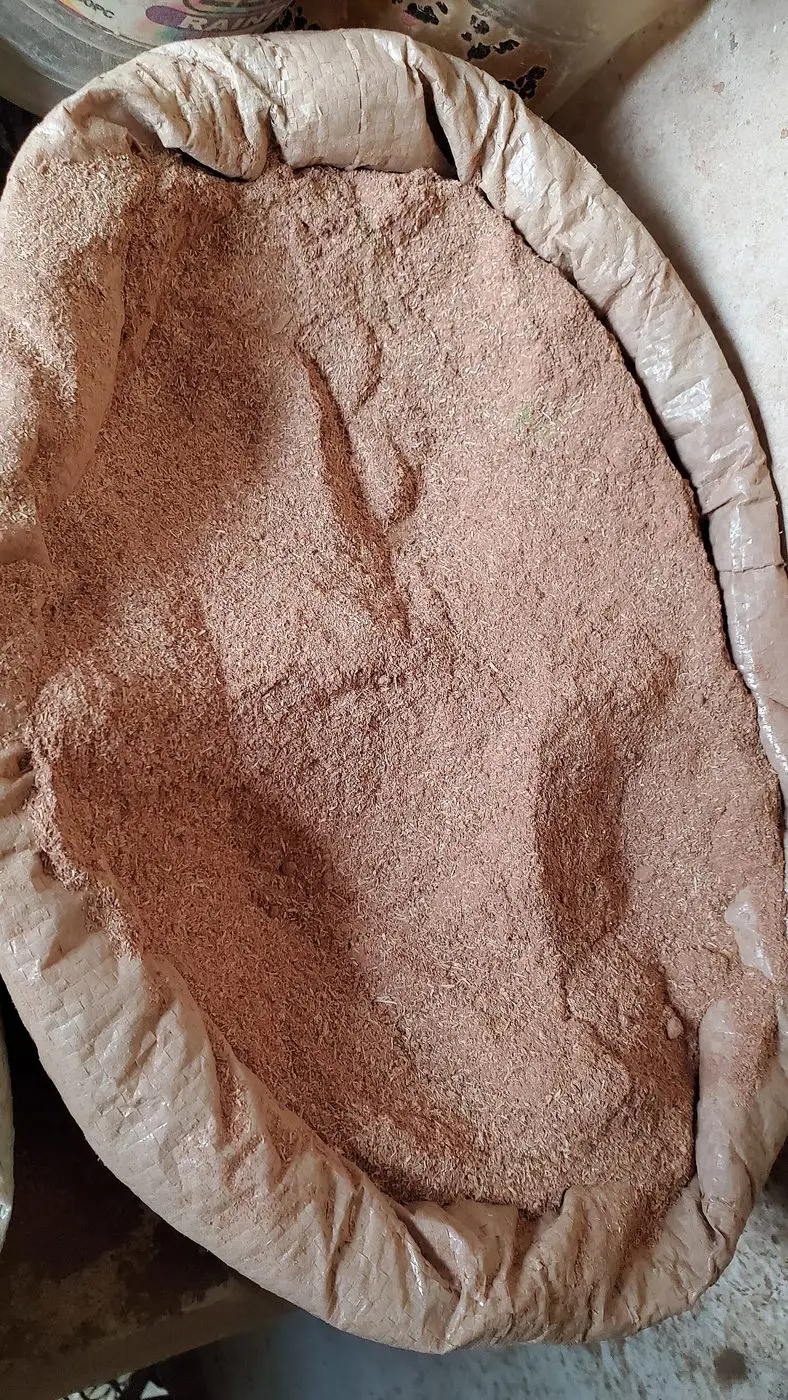
Raw resin is sold as tears and siftings for incense and for processing. Perfumers more often buy the processed forms: steam-distilled essential oils, which capture the volatile top and heart, and resinoids or absolutes made by solvent extraction, which keep the heavier balsamic material that gives resins their fixative value.

Species identity is the key quality question, because several Boswellia and Commiphora species are traded under the same common names and smell different in a formula. GC-MS profiles separate them reliably. Harvesting pressure is a real concern for some species — Boswellia papyrifera populations in particular — so collection practice and the supply chain behind a lot are worth asking about.

Common questions

What is the difference between a resin oil and a resinoid?
An essential oil is steam-distilled and contains only the volatile fraction. A resinoid is a solvent extract of the whole resin, including heavier non-volatile components, so it is thicker, darker and much longer-lasting on a blotter — which is why resinoids are used as fixatives.
How are resin tears graded?
By colour, size, clarity and cleanliness, with grade names that vary by origin — Hojari in Oman, for example. Paler, larger, cleaner tears generally command higher prices. For processing buyers, oil content and species matter more than appearance.
How do I verify a frankincense or myrrh species?
Ask for GC-MS on the lot. Marker compounds differ between species — octyl acetate dominates Boswellia papyrifera oil, for example, while B. sacra and B. carterii are pinene- and limonene-led — so the chromatogram confirms what the label claims.
This site is populated with clearly marked sample data for demonstration. Quantities, lots, offers and documentation shown are illustrative and are not offers to sell.