Skip to content

Natural Oils

Myrrh Oil

Commiphora species oils and resinoids.

1 material

Buyer’s guide

Buying myrrh oil

Myrrh oil is steam-distilled from the oleo-gum resin of Commiphora myrrha, a thorny shrub of Somalia, Ethiopia, Kenya and Yemen. The resin is collected from wounds in the bark, where it hardens into reddish-brown tears. Myrrh has a warm, bitter, medicinal-balsamic smell with a mushroomy, earthy side that perfumers use in ambers, orientals and incense accords.

Its character comes from furanosesquiterpenes — furanoeudesma-1,3-diene, curzerene and lindestrene — that are distinctive to true myrrh. They make GC-MS a reliable identity test, and they distinguish myrrh from opoponax (sweet myrrh, from other Commiphora species), which is often confused with it in trade.

Myrrh is also sold as a resinoid and CO2 extract, which keep more of the heavy, fixative material than the distilled oil. As with frankincense, supply depends on wild collection in fragile drylands, so origin documentation and collector relationships are part of a sound specification.
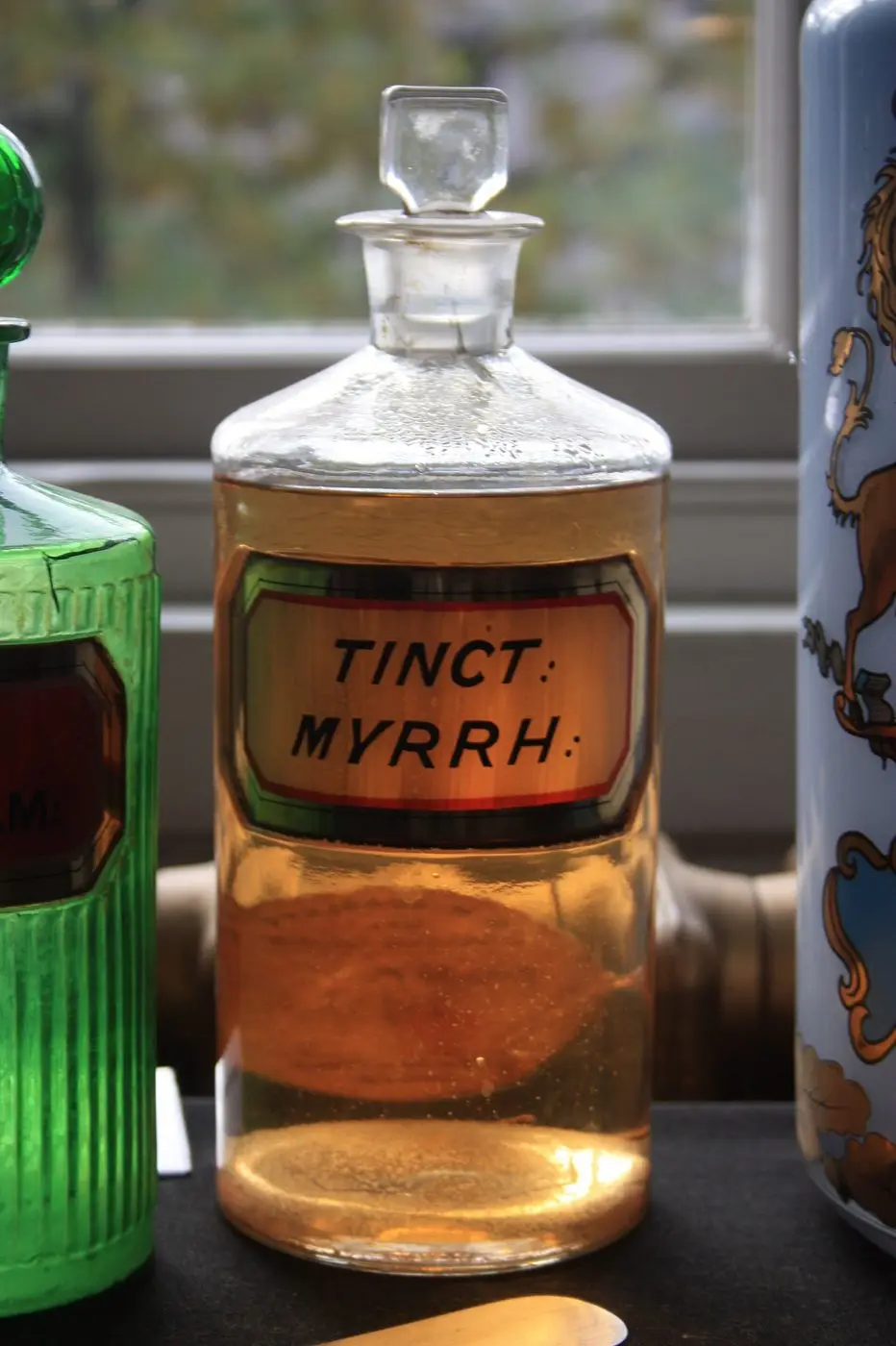
Common questions

What is the difference between myrrh and opoponax?
Myrrh comes from Commiphora myrrha and smells bitter and medicinal; opoponax, or sweet myrrh, comes from other Commiphora species and is sweeter, warmer and more balsamic. GC-MS separates them clearly.
Which markers confirm genuine myrrh oil?
Furanoeudesma-1,3-diene, curzerene and lindestrene are characteristic. A GC-MS profile showing them in typical proportions is good evidence of authentic Commiphora myrrha.
Should I buy myrrh oil or myrrh resinoid?
The oil gives a cleaner, more diffusive effect; the resinoid is heavier, darker and far longer-lasting, used as a base-note fixative. Many formulas use both.
This site is populated with clearly marked sample data for demonstration. Quantities, lots, offers and documentation shown are illustrative and are not offers to sell.