Sourcing
From origin to shipment.
Four disciplines sit behind every ARAM offer, for minerals and aromatics alike: knowing the producer, verifying both sides, measuring the material independently and planning a lawful route to port.
Every ARAM lot moves along one chain
- Material
- Verification
- Documentation
- Export
- Buyer
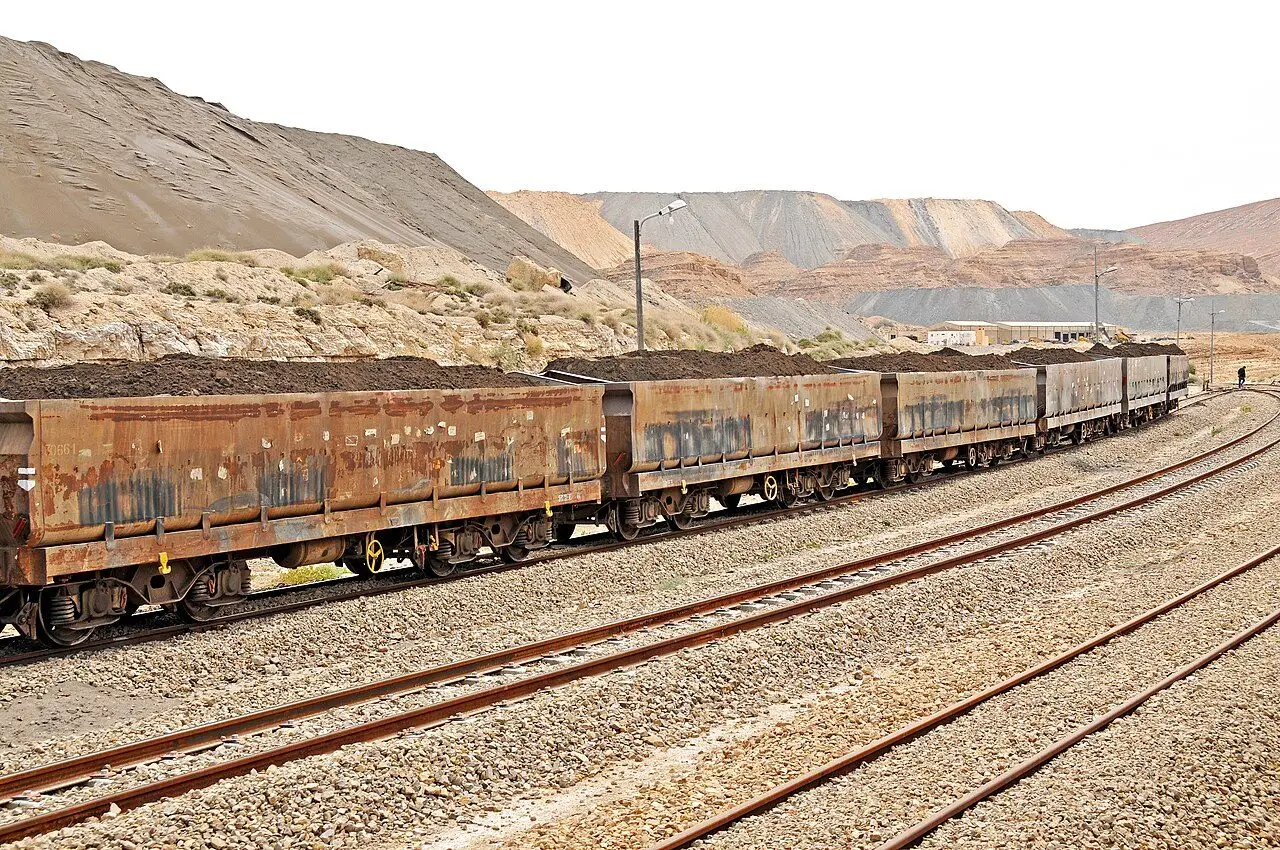
Gafsa basin — Tunisia — third-party operation · Dennis G. Jarvis, CC BY-SA 2.0
01The journey
Five stages. A record at each one.
Material, verification, documentation, export, buyer — by the time a lot reaches you, its evidence file already exists.
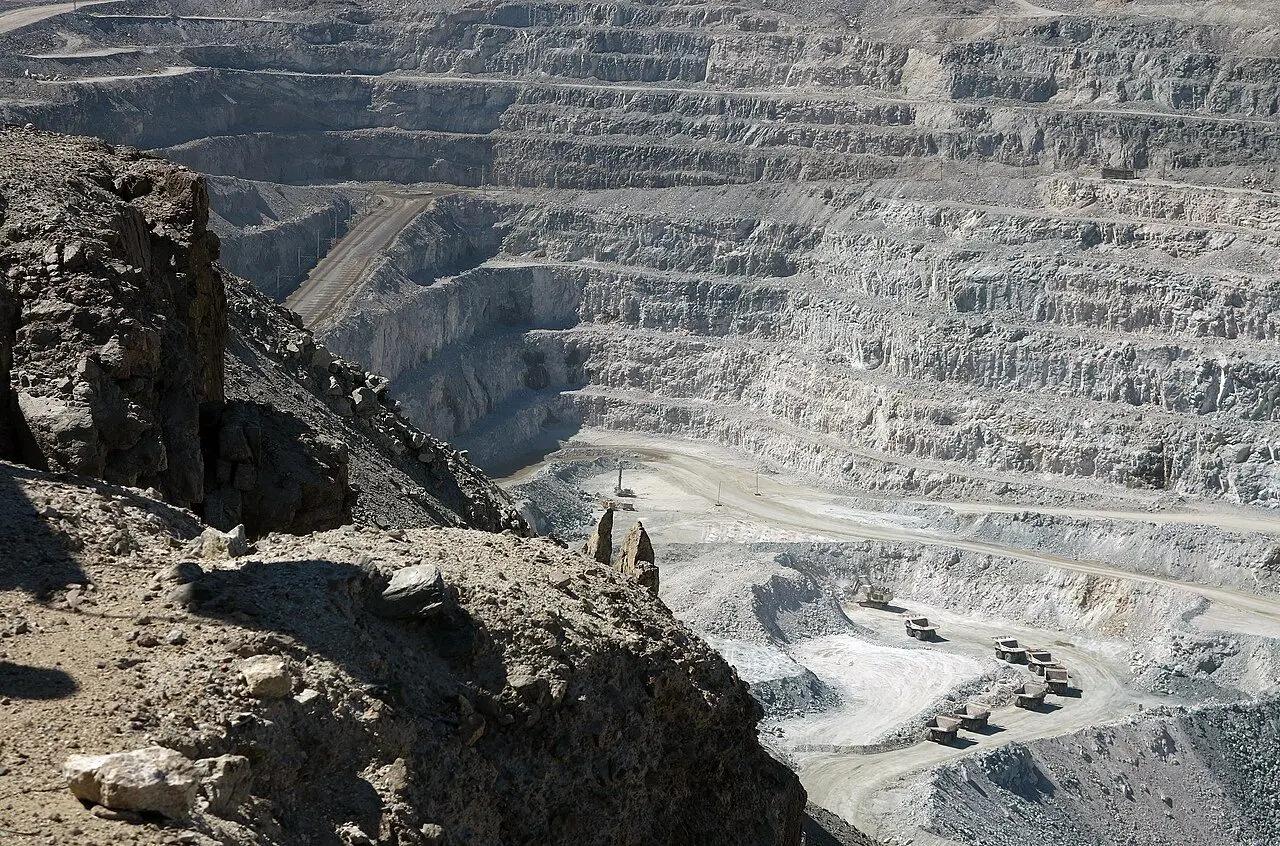
Rössing — Namibia — third-party operation · IAEA Imagebank, CC BY-SA 2.0
01 · Where it comes from
Origin
We work at the source: licensed miners, processors and exporters for minerals; distillers, cooperatives and collectors for aromatics. Country, region and — for minerals — the mine are declared on every lot.
- Mine-of-origin or harvest declaration
- Producer licence and export registration
- Site visit or remote verification record
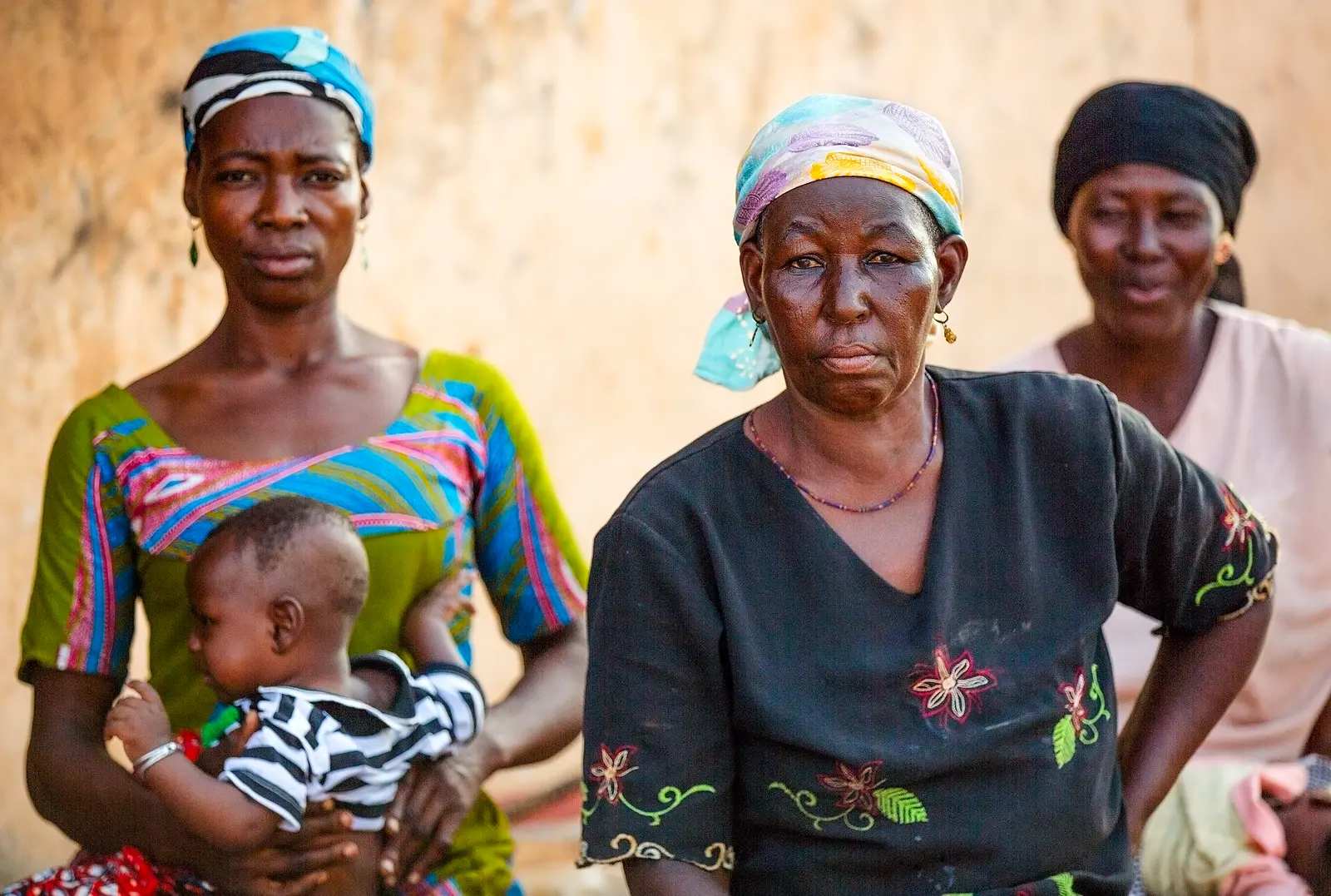
Shea producers' group — Ghana — third-party programme (USAID) · USAID in Africa, Public domain
02 · Who is behind it
Verification
Before volumes or terms are shared, both sides clear KYC: registration, directors, beneficial owners, licences, bank account, sanctions and adverse-media screening.
- Counterparty KYC pack
- Sanctions and adverse-media screening
- Licence check with the issuing authority
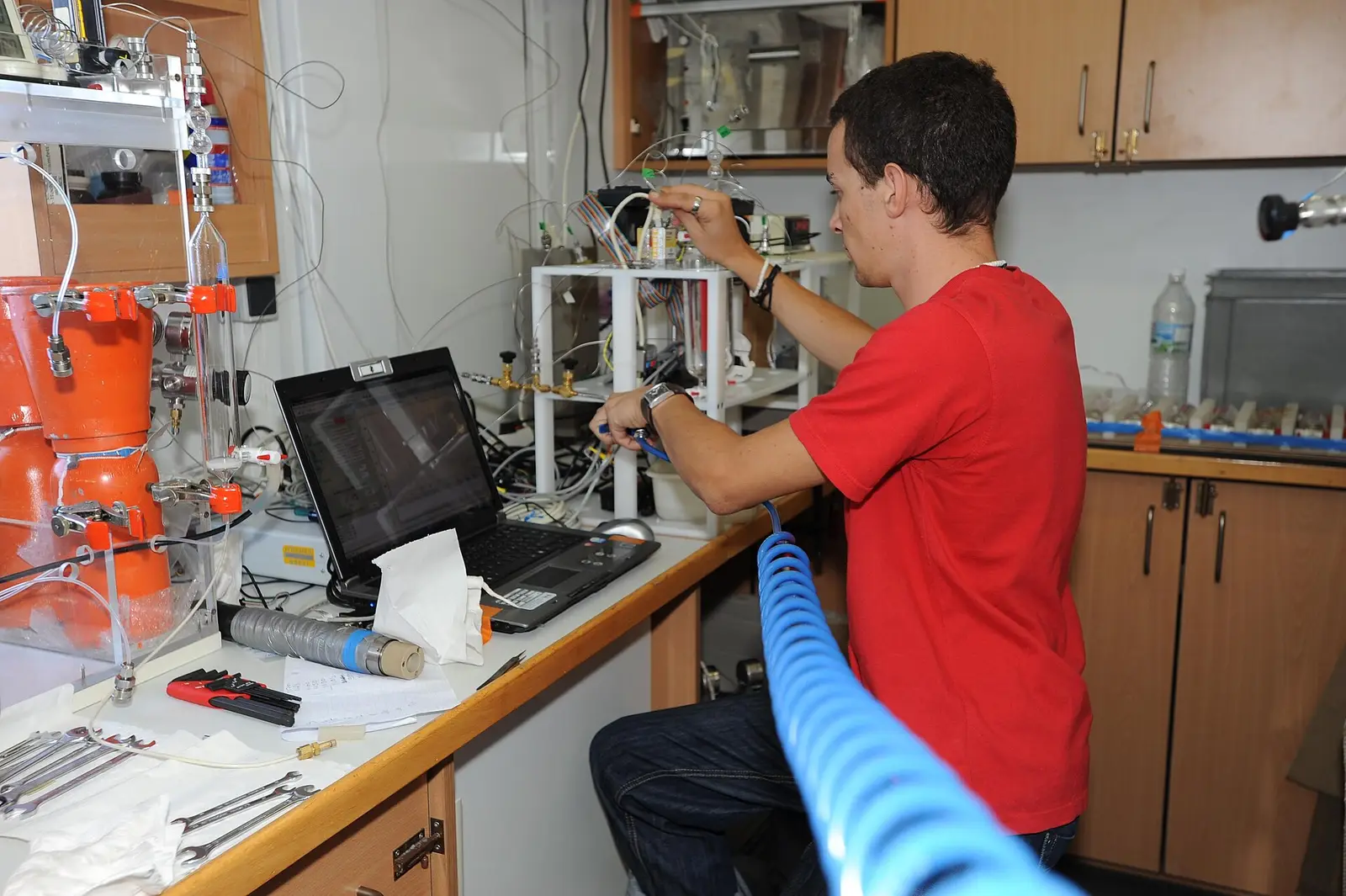
Laboratory analysis — Research vessel laboratory — reference image · Stephane Lesbats (Ifremer), CC BY 4.0
03 · Is it what it says
Quality
Aromatics are sampled first, with a certificate of analysis and GC-MS profile per lot. Minerals are sampled by an independent inspector at loading and assayed, with an umpire rule written into the contract.
- Certificate of analysis · GC-MS
- Independent sampling and assay
- Retained counter-samples
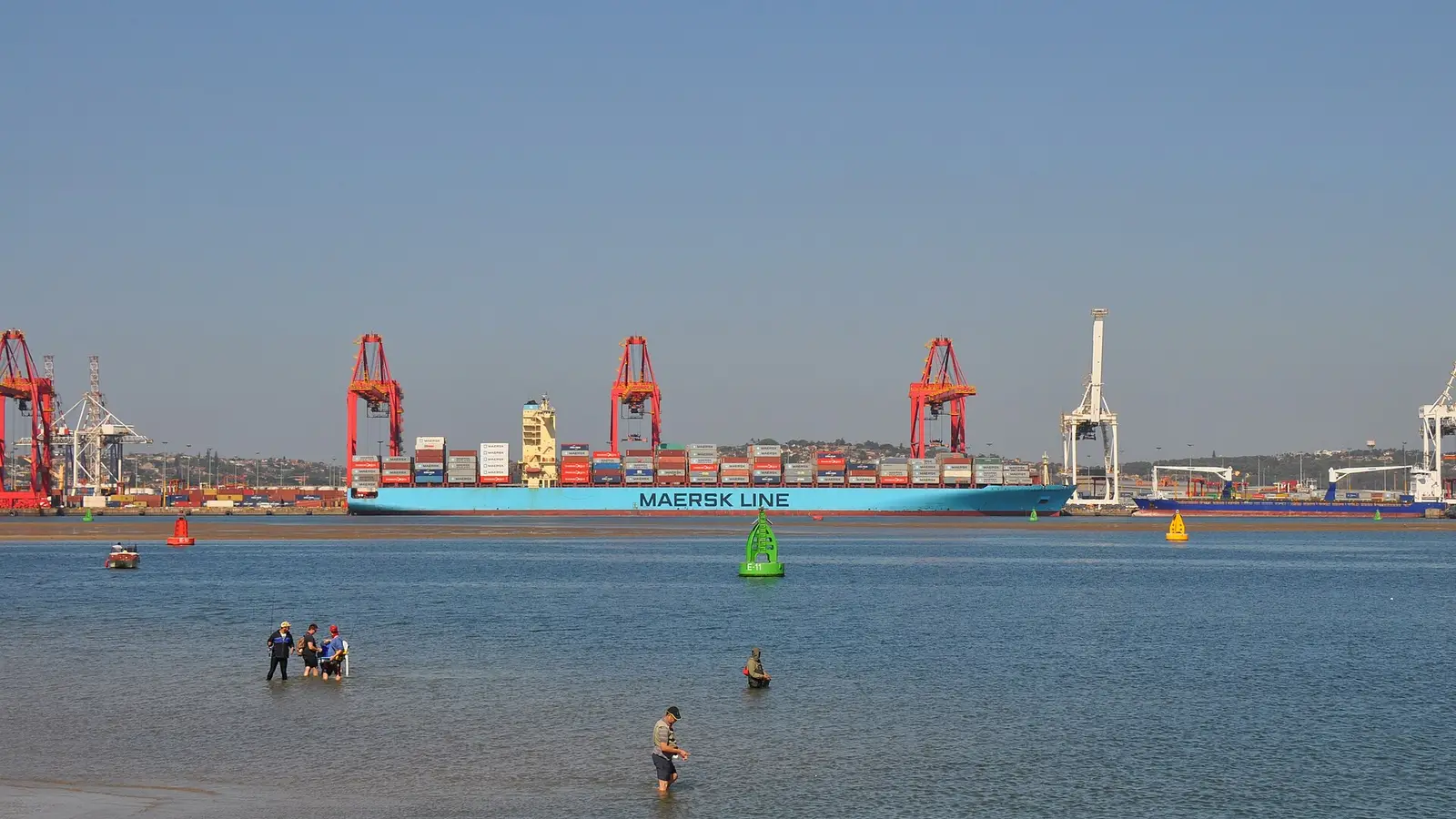
Durban container terminal — Durban, South Africa — third-party operation · Pechristener, CC BY-SA 3.0
04 · How it moves
Logistics
The corridor is chosen for the cargo — Lobito, Dar es Salaam, Durban, Walvis Bay, Beira or West African ports. Containers are inspected and sealed, and seal numbers are reconciled at every hand-over.
- Pre-shipment inspection report
- Seal log and chain of custody
- Export clearance and bill of lading
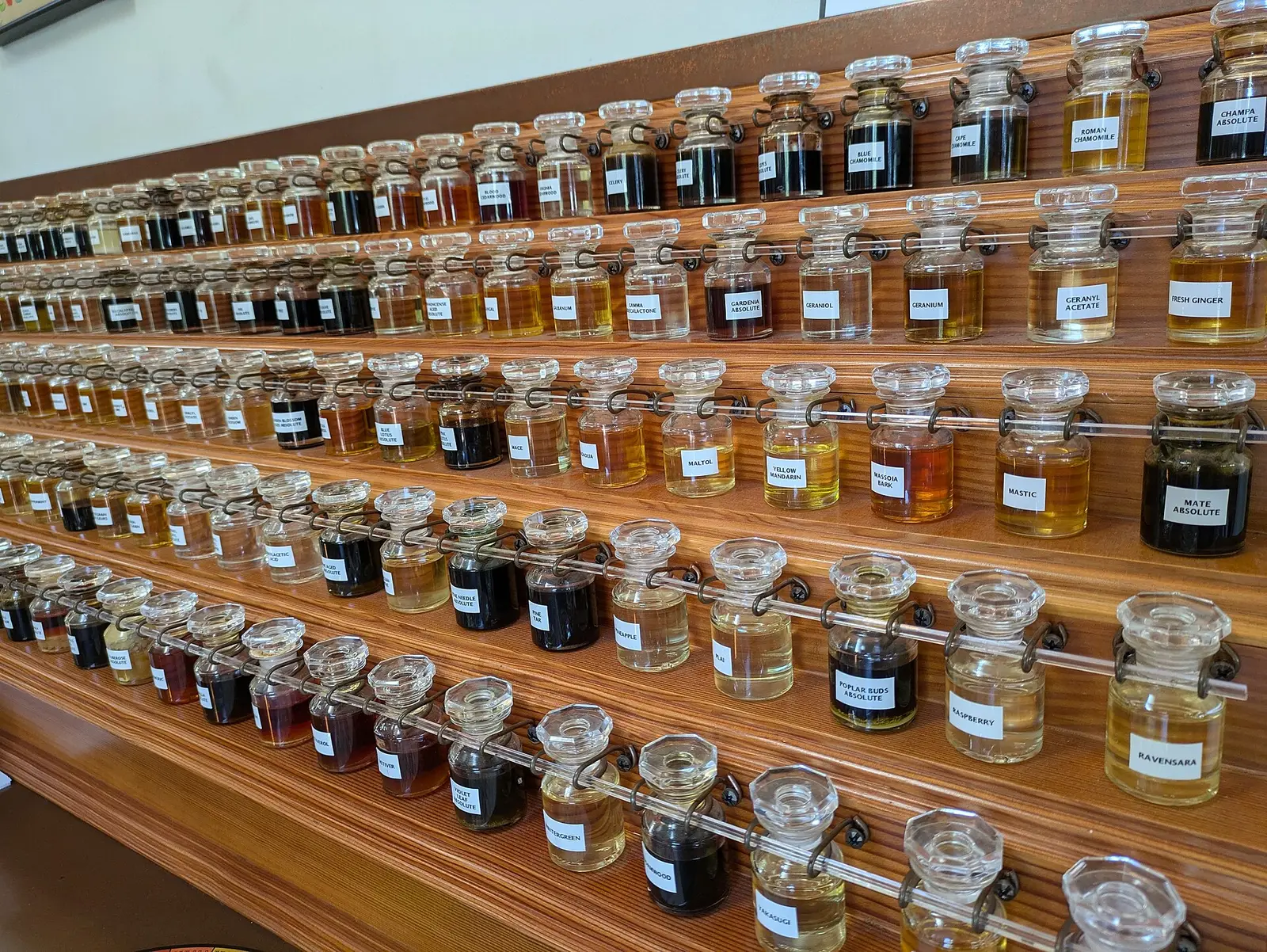
A perfumer's organ — Aftel Archive, Berkeley — reference image · Mx. Granger, CC0
05 · Where it ends up
Buyer delivery
The buyer receives the material with its evidence file — the same documents their compliance team, bank and customs broker need — whether it is a perfumer's 100 g sample or a copper refiner's container load.
- Document set released against contract terms
- Lot record matched to shipment
- Aftercare on claims and re-testing
02How we source
Four disciplines, in depth.
01
Producer network
Licensed miners, processors, cooperatives, traders and distillers — who they are and how they join.
02
Verification
KYC, beneficial ownership, sanctions, licences and chain of custody, on both sides of every deal.
03
Quality & assay
Independent sampling at load port, assay exchange and umpire rules — numbers you can contract on.
04
Logistics
Six export corridors, from Lobito to Dar es Salaam, and what each means for lead time and paperwork.
Minerals
Tonnes, grades and export quotas.
Concentrates, hydroxides, cathode and ores, contracted on independent assay and shipped through the corridors that suit the cargo.
22 mineralsAromatics
Kilos, lots and CITES permits.
Essential oils, absolutes and resins sourced by lot, sampled first, with origin and GC-MS documentation where it exists.
29 aromatic materialsKnow what you need? Start a sourcing request.
Start a sourcing request