Skip to content

Absolutes

Rose Absolute

Solvent-extracted rose, deeper and more tenacious than otto.

1 material

Buyer’s guide

Buying rose absolute

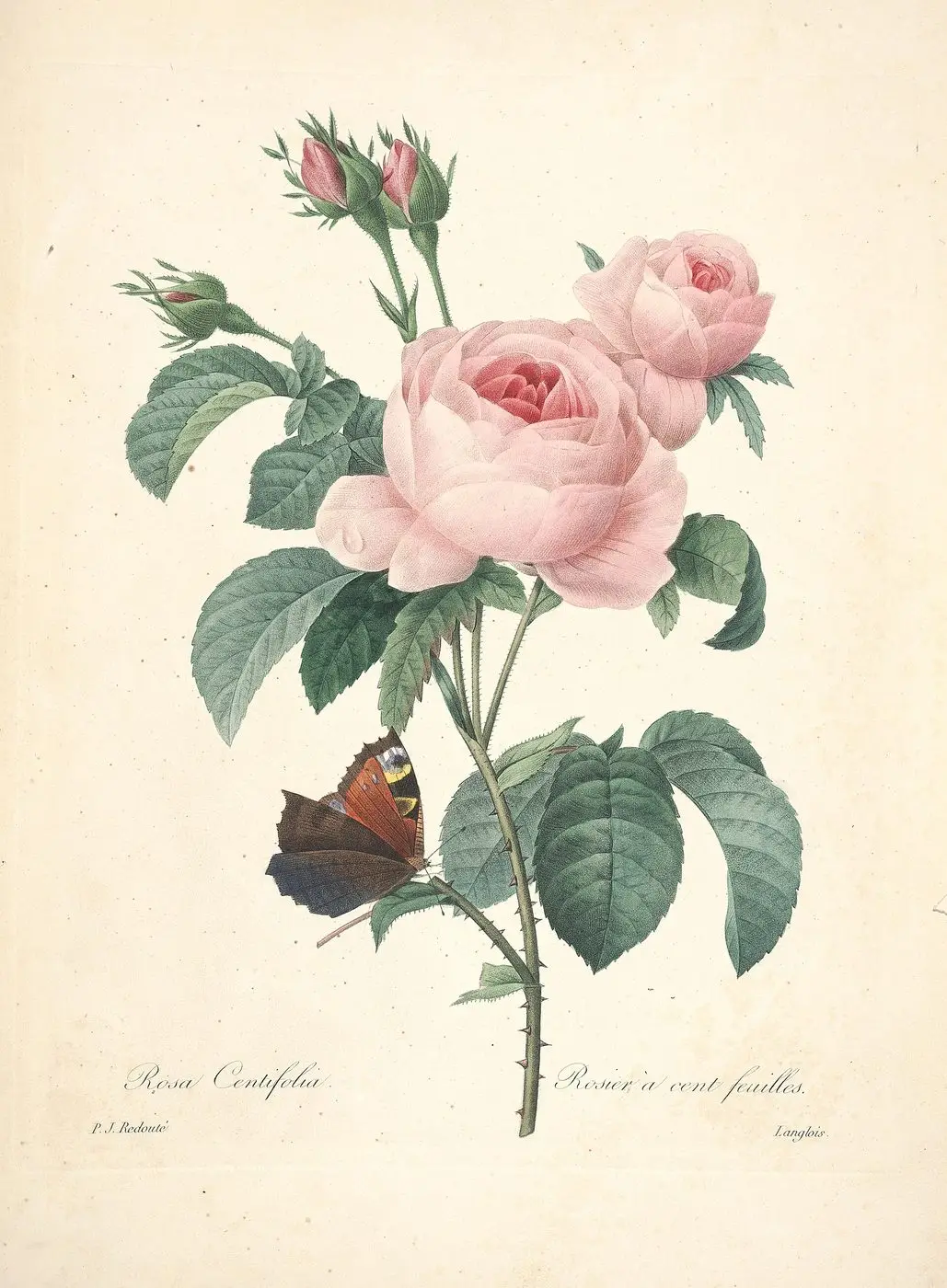
Rose absolute is solvent-extracted from fresh rose petals: the flowers are first extracted into a concrete, which is then washed with alcohol to give the absolute. Rosa centifolia, the cabbage rose of Grasse and Morocco, and Rosa damascena from Bulgaria and Turkey are the two main sources, and they smell distinctly different.

Rose absolute is deeper and more honeyed than distilled rose otto because extraction keeps phenylethyl alcohol, which is largely lost to the water during distillation. That makes it the richer, more 'living-flower' rose, used where a full, jammy floral heart is needed. Centifolia absolute tends to be greener and spicier; damascena absolute warmer and sweeter.

As with all rose materials, adulteration is a real risk. A GC-MS report for the specific lot, a declared species and origin, and the harvest year are the minimum documentation. IFRA and allergen statements are needed for regulated end uses.
Common questions

Why does rose absolute contain so much phenylethyl alcohol?
Phenylethyl alcohol is water-soluble, so in steam distillation it stays largely in the rose water. Solvent extraction keeps it, which is why rose absolute is often more than half phenylethyl alcohol and smells richer than rose otto.
Centifolia or damascena rose absolute?
Centifolia (Grasse, Morocco) is greener and slightly spicy; damascena (Bulgaria, Turkey) is warmer and more honeyed. Choose by the effect you want in the formula, then confirm with a sample.
Does rose absolute contain solvent residues?
Quality absolutes are processed to very low residual solvent levels. Ask for the residual-solvent figure on the certificate of analysis if your market or application requires it.
This site is populated with clearly marked sample data for demonstration. Quantities, lots, offers and documentation shown are illustrative and are not offers to sell.