Skip to content

Natural Oils

Neroli Oil

Citrus aurantium flower oil, distinct from petitgrain and from orange blossom absolute.

1 material

Buyer’s guide

Buying neroli oil

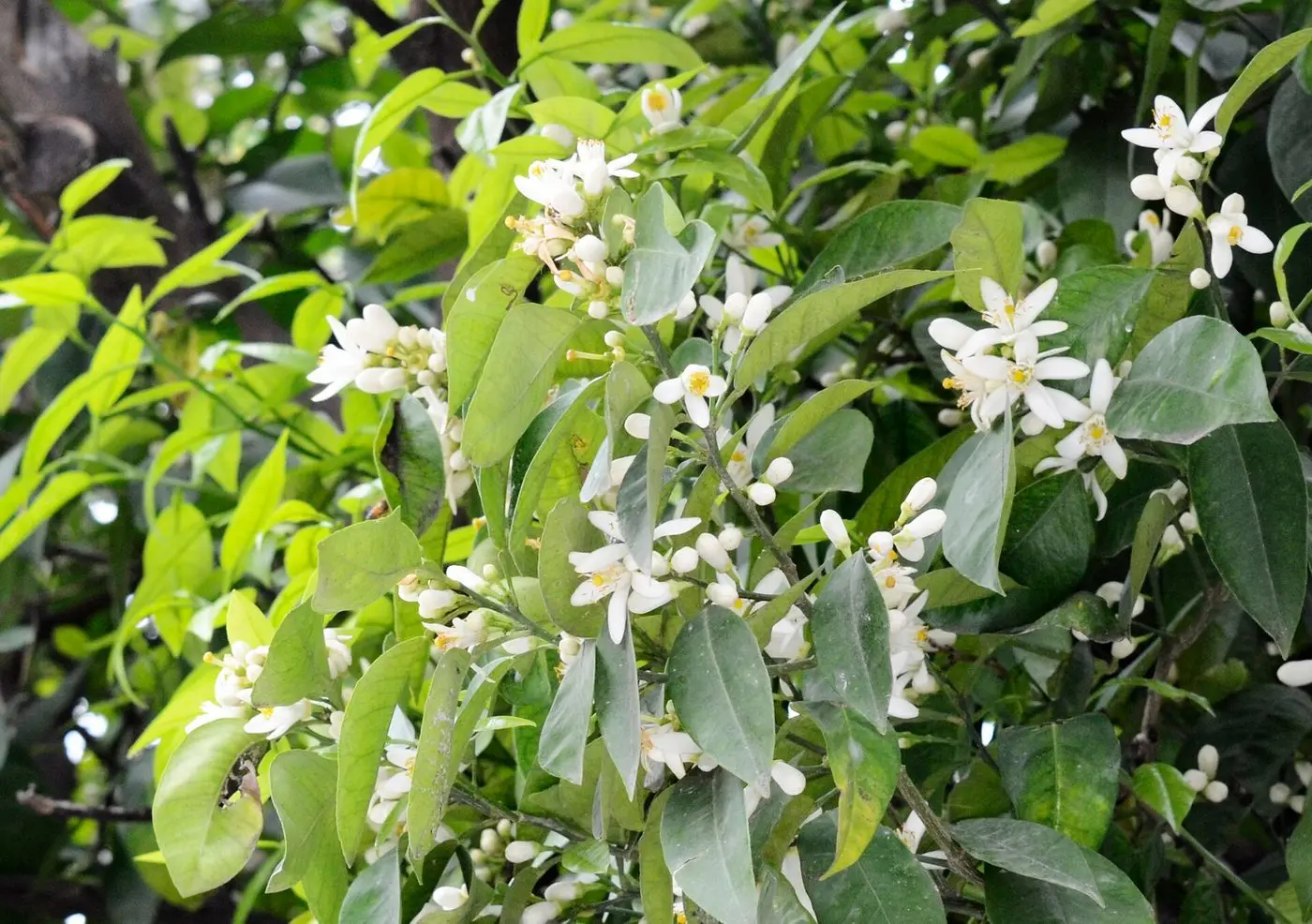
Neroli oil is steam-distilled from the blossoms of the bitter orange tree, Citrus aurantium subsp. amara. It takes roughly a tonne of fresh flowers to yield about a kilogram of oil. The harvest is short — usually in April and May — and the main producers today are Tunisia, Morocco and Egypt, with smaller historic production around Grasse in France.

Neroli is bright, green and honeyed, built on linalool, linalyl acetate, limonene and nerolidol, with a trace of methyl anthranilate. The same flowers yield orange-flower water as a by-product of distillation, and orange-blossom absolute by solvent extraction — a deeper, more indolic material that is a separate product with a separate price.

Because neroli is costly, petitgrain (from the leaves) and synthetic reconstructions are sometimes passed off as or blended into it. A GC-MS report and the stated plant part and process protect against substitution.
Common questions

What is the difference between neroli and orange-blossom absolute?
Neroli is steam-distilled and fresh, green and light. Orange-blossom absolute is solvent-extracted from the same flowers and is richer, sweeter and more indolic. They are used differently and priced differently.
How is neroli different from petitgrain?
Both come from the bitter orange tree, but petitgrain is distilled from leaves and twigs and is much cheaper and woodier. GC-MS and the declared plant part distinguish them.
Where does the best neroli come from?
Tunisia (especially around Nabeul), Morocco and Egypt are the main sources today. Quality depends more on flower freshness and distillation than on country alone.
This site is populated with clearly marked sample data for demonstration. Quantities, lots, offers and documentation shown are illustrative and are not offers to sell.