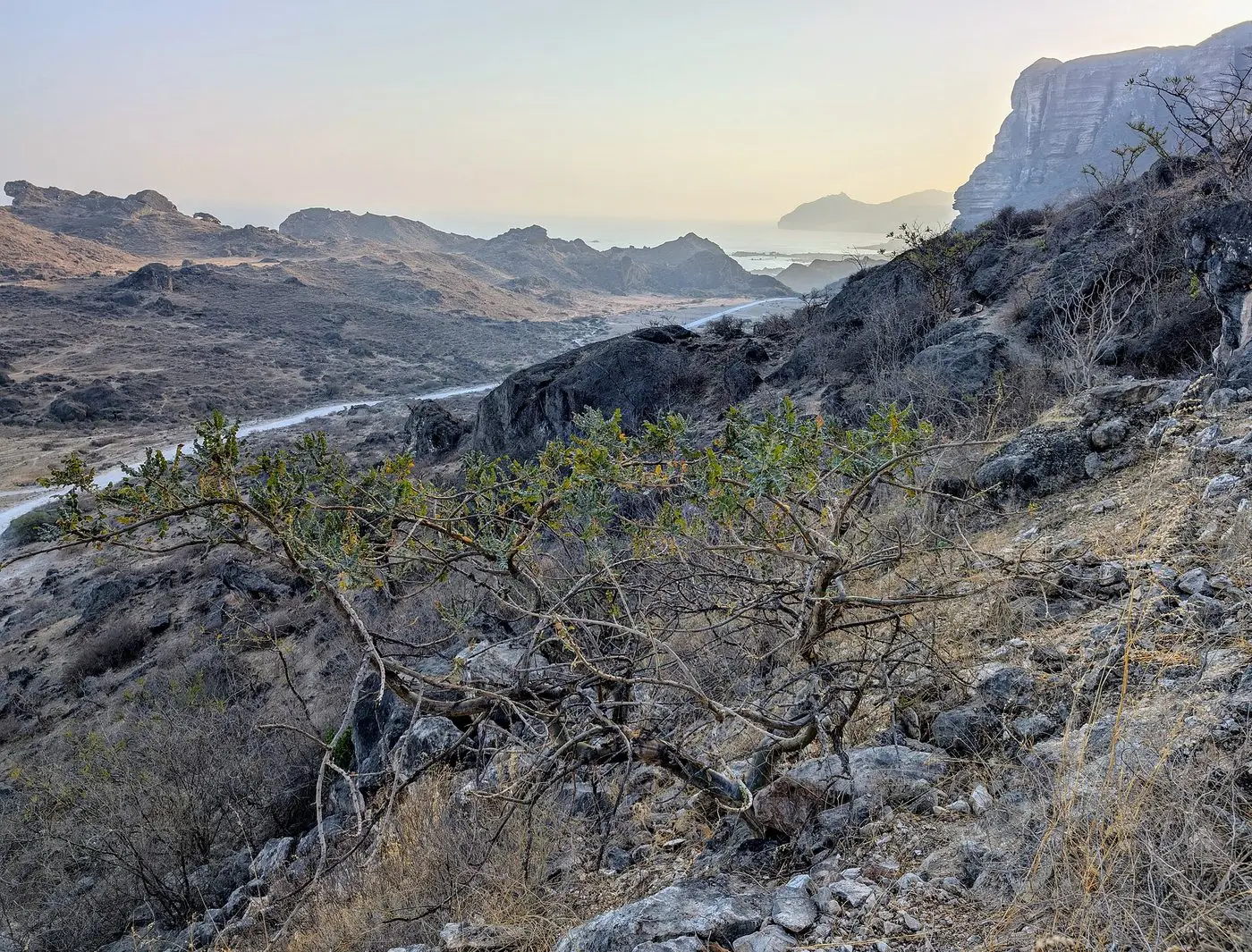
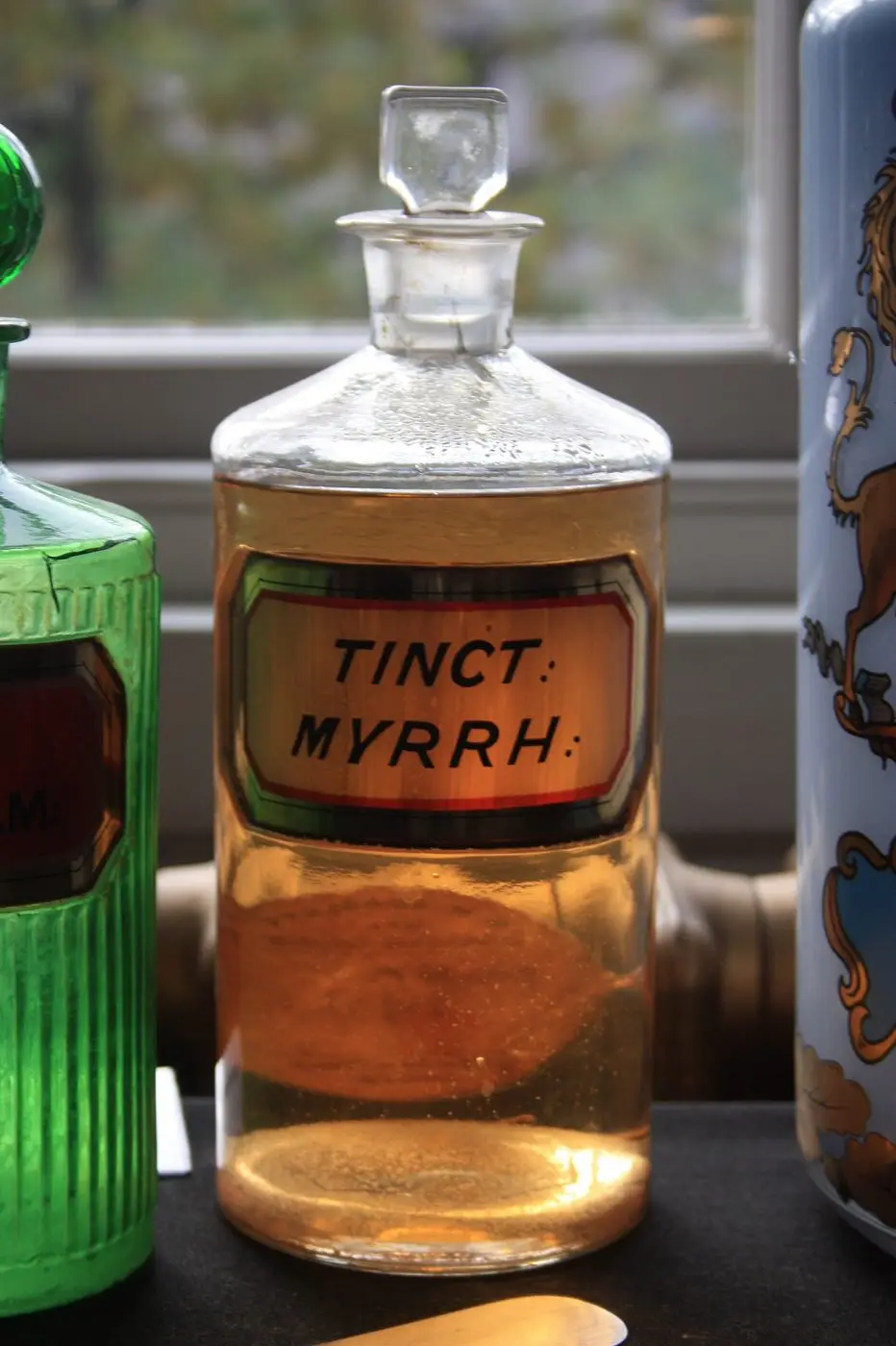
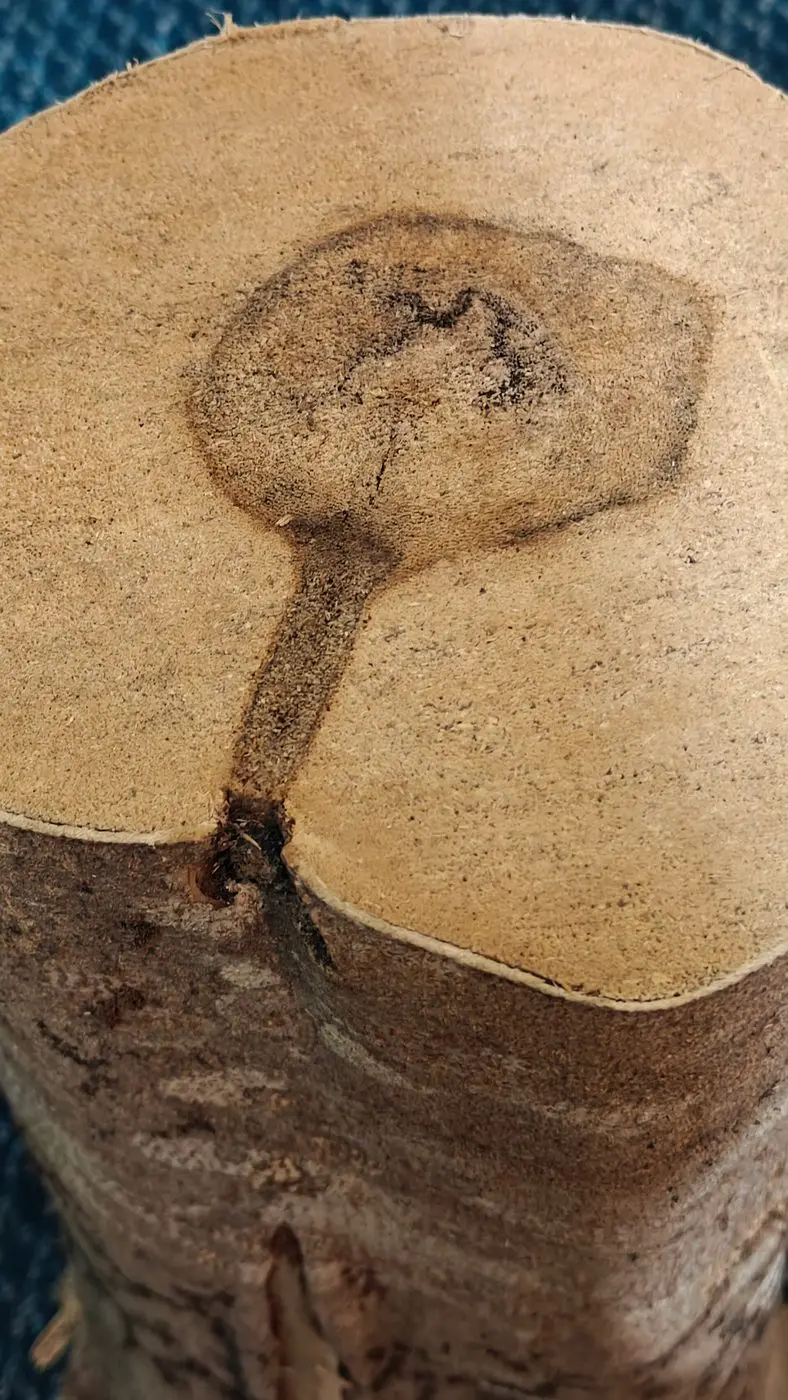
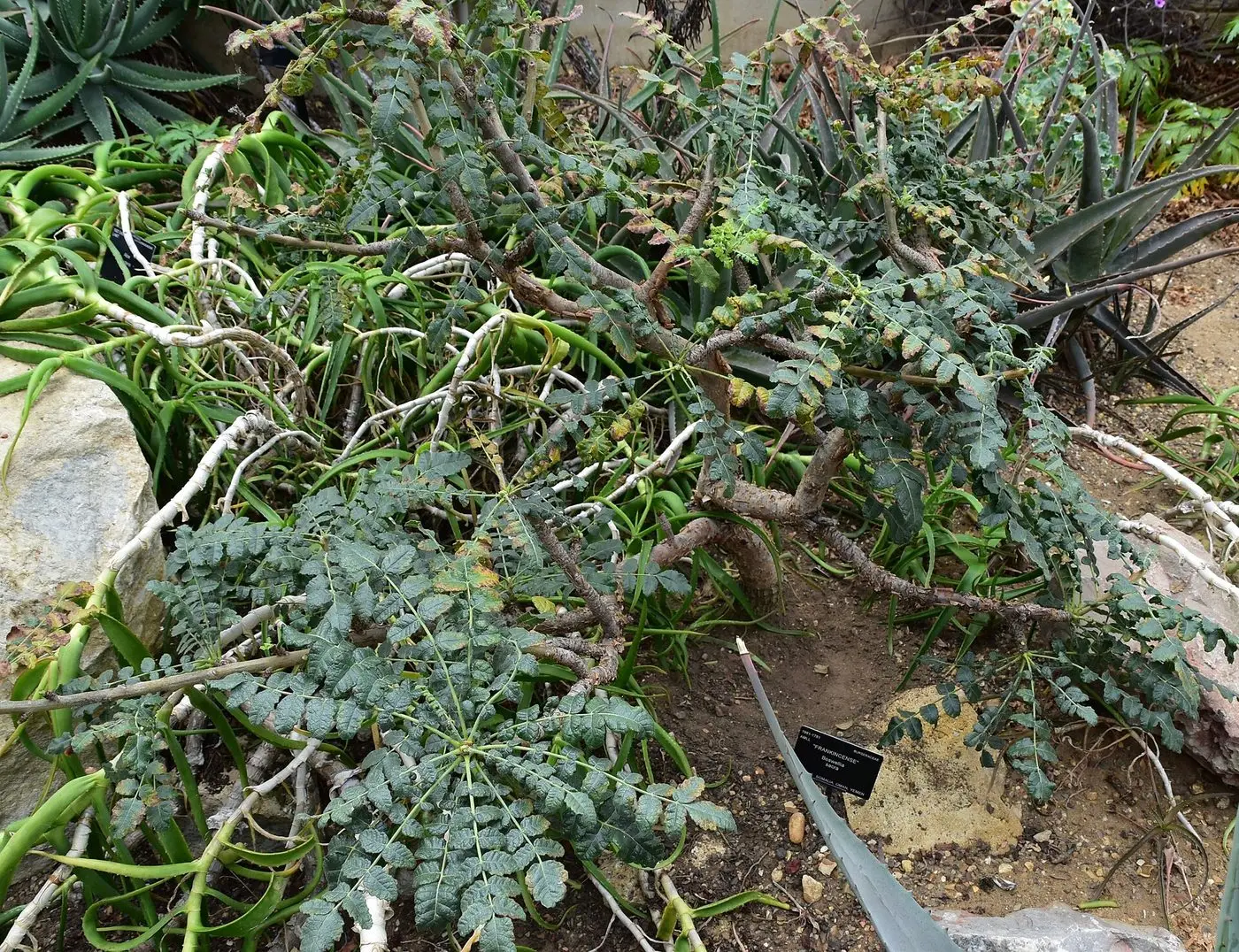
Steam-distilled Boswellia carterii oil — bright terpenic lift over a dry, resinous, faintly citric body.
Essential Oil
Sample dataSomali Frankincense Oil
Boswellia carterii
- Origin
- Somalia · declared
- Documentation
- Available for this lot
Demonstration dataListings, lots and offers shown are samplesAbout sample data
Natural aromatic raw materials
Premium natural fragrance ingredients for perfumers, fragrance houses, cosmetic manufacturers and specialty brands. Origin-declared materials with lot-level documentation, sample-first purchasing and bulk sourcing.
01Featured ingredients
Each listing states its declared origin and links to the batch it is drawn from. Where no verified price exists, the listing asks for a quote rather than inventing a figure.
02Source by origin
Origin is attached to the lot, not asserted as a brand story. Browse by region, then by country, and see what is held from each.
03Why source with us
What a professional buyer needs from a supplier of natural materials is rarely more adjectives. It is identity, documentation and continuity.
01
Country and, where recorded, sub-region is attached to the lot — not asserted as a brand story.
02
Stock is held and sold against identified batches, so what you evaluate is what you receive.
03
COA, GC-MS, SDS and allergen data are catalogued per lot and released where they exist.
04
Evaluation quantities before volume commitment, on materials where sampling is offered.
05
Kilogram-scale purchasing through a quoting workflow with specification and destination captured up front.
06
Export documentation assessed per destination, with regulated materials flagged in the catalogue.
04The African Origin Project
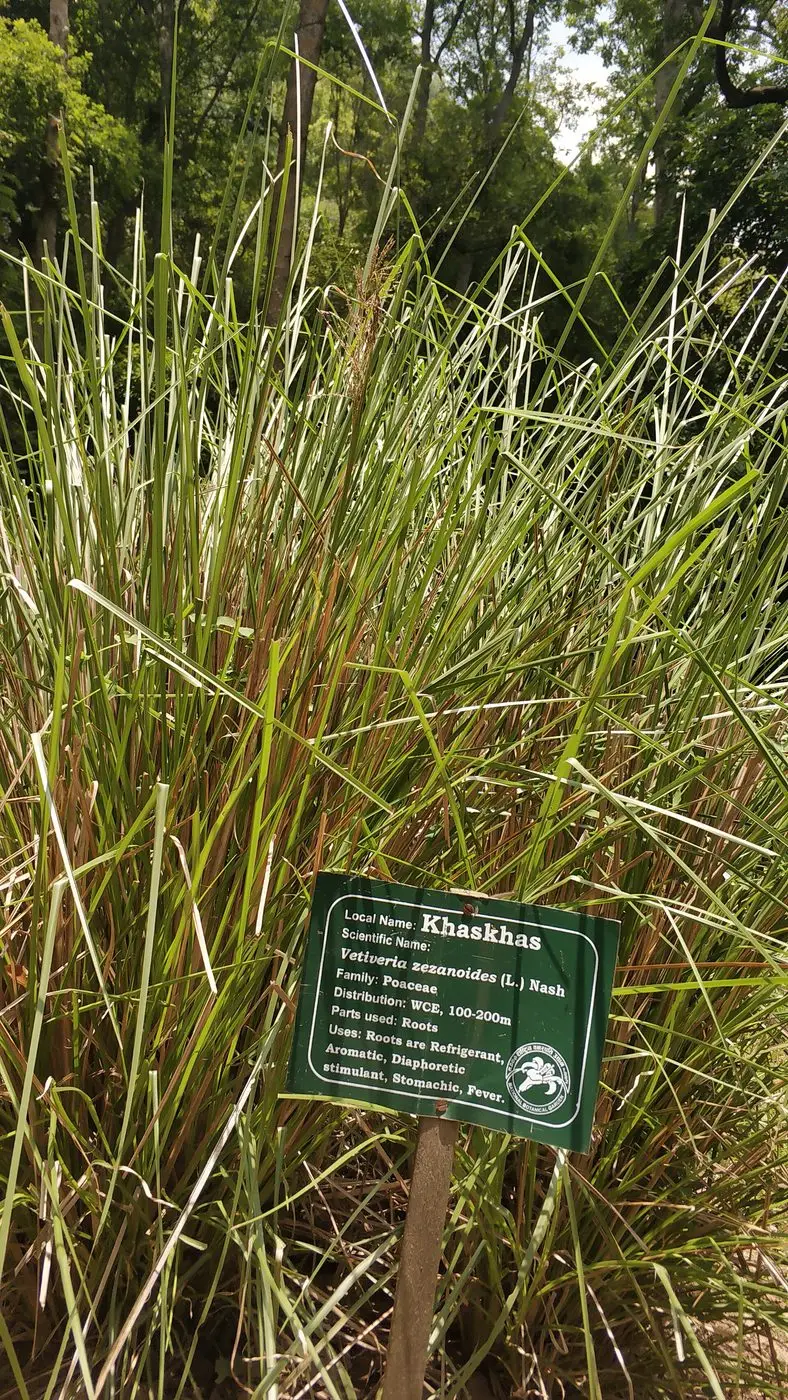
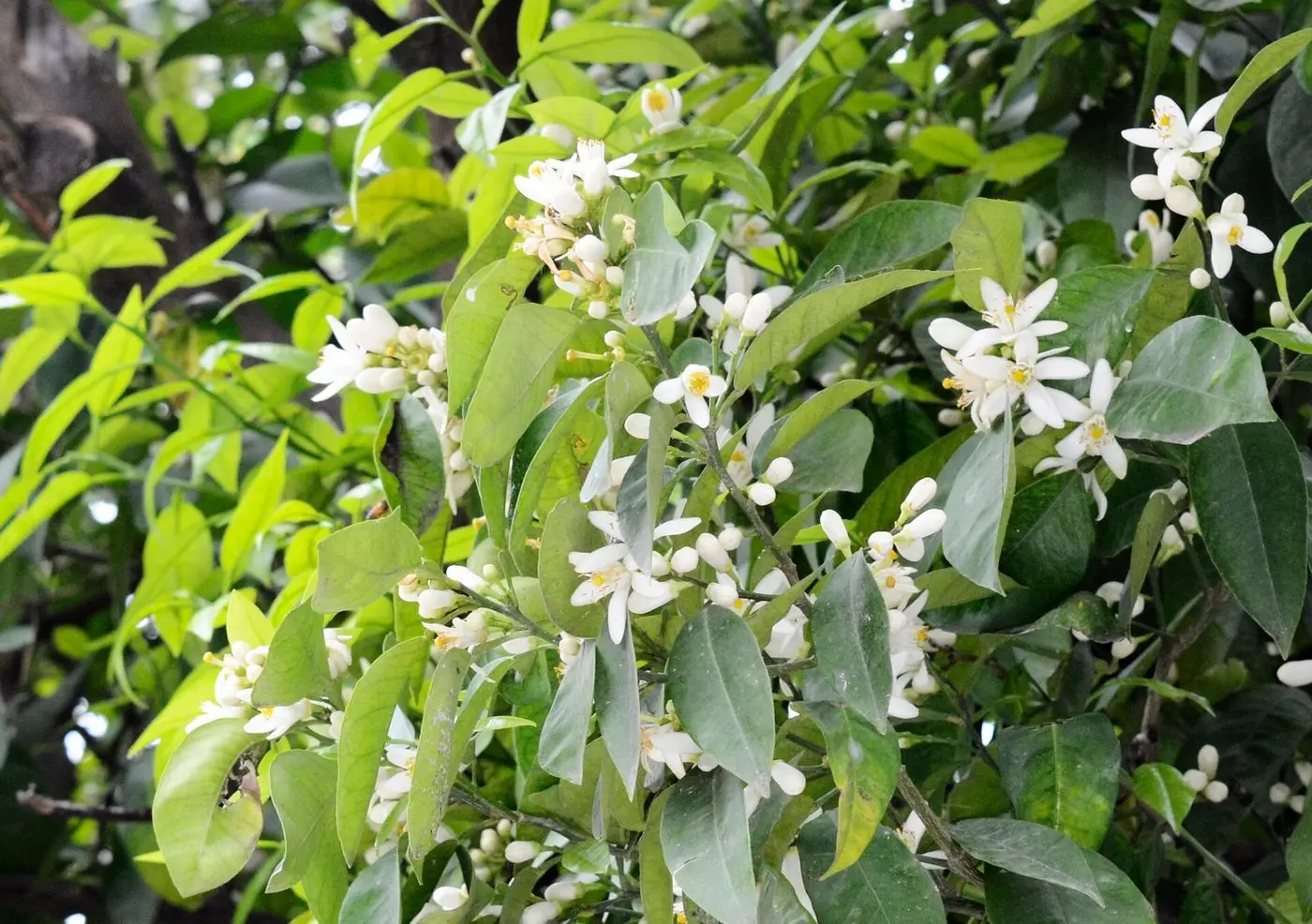
Frankincense, myrrh, vetiver, ylang-ylang, neroli and rose all leave the continent in quantity. In several of these chains the raw material is shipped with minimal processing and returns — distilled, tested, documented and compliance-ready — at many times the price.
The margin accrues where the extraction, analysis and documentation happen, not where the plant grows. That is a structural observation rather than a moral one: extraction needs capital equipment, analysis needs laboratory capacity, and documentation needs regulatory expertise recognised by importing markets.
Our long-term interest is in supporting supply chains where more of that work happens at origin.
Where value can be captured at origin
Illustrative summary of where processing value typically accrues in these supply chains. Not a measurement of any specific chain.
05How it works
Sample-first purchasing exists because natural materials vary between batches. Evaluating against the lot you will actually receive is the single most important discipline in this category.
Filter the catalogue by material type, origin, extraction method and documentation status. Every listing states its declared origin.
Order or request evaluation quantities from 1 g. Samples are drawn from the lot referenced on the listing wherever stock allows.
Review lot documentation — COA, GC-MS, SDS and allergen declarations where they exist — before committing to volume.
Purchase directly where a verified price is published, or raise an RFQ for volume, specification and delivery terms.
Move to repeat supply with lot continuity, agreed specification and documentation issued per shipment.
06Rare & collector materials
Scarcity here is a fact about remaining stock rather than a merchandising decision. Each lot shows what is actually left.
07For professional buyers
Raise a request for quotation with specification, destination, documentation and certification requirements captured up front. Multiple materials can be quoted on a single request, and you can track it through to a quote from your account.
Volume tiers
10 g through 100 kg+
Documentation
Specified per line
Multi-material
One request, many lines
Tracked
Status history in your account
08The Aromatic Library
Extraction, yield, analysis and regulation, written to be defensible rather than promotional.
Oud is not a tree, a wood or an oil in any simple sense. It is the product of a tree's defensive response to injury — which is why it is scarce, expensive and regulated.
Read27 Sept 2026The distinction is not strength or quality. It is the extraction process, and it determines which molecules end up in your bottle.
Read23 Sept 2026Orris costs what it costs because you are paying for half a decade of storage before the material becomes aromatic at all.
Read19 Sept 2026About this catalogue