Skip to content
Infected Agarwood Aquilaria Malaysia
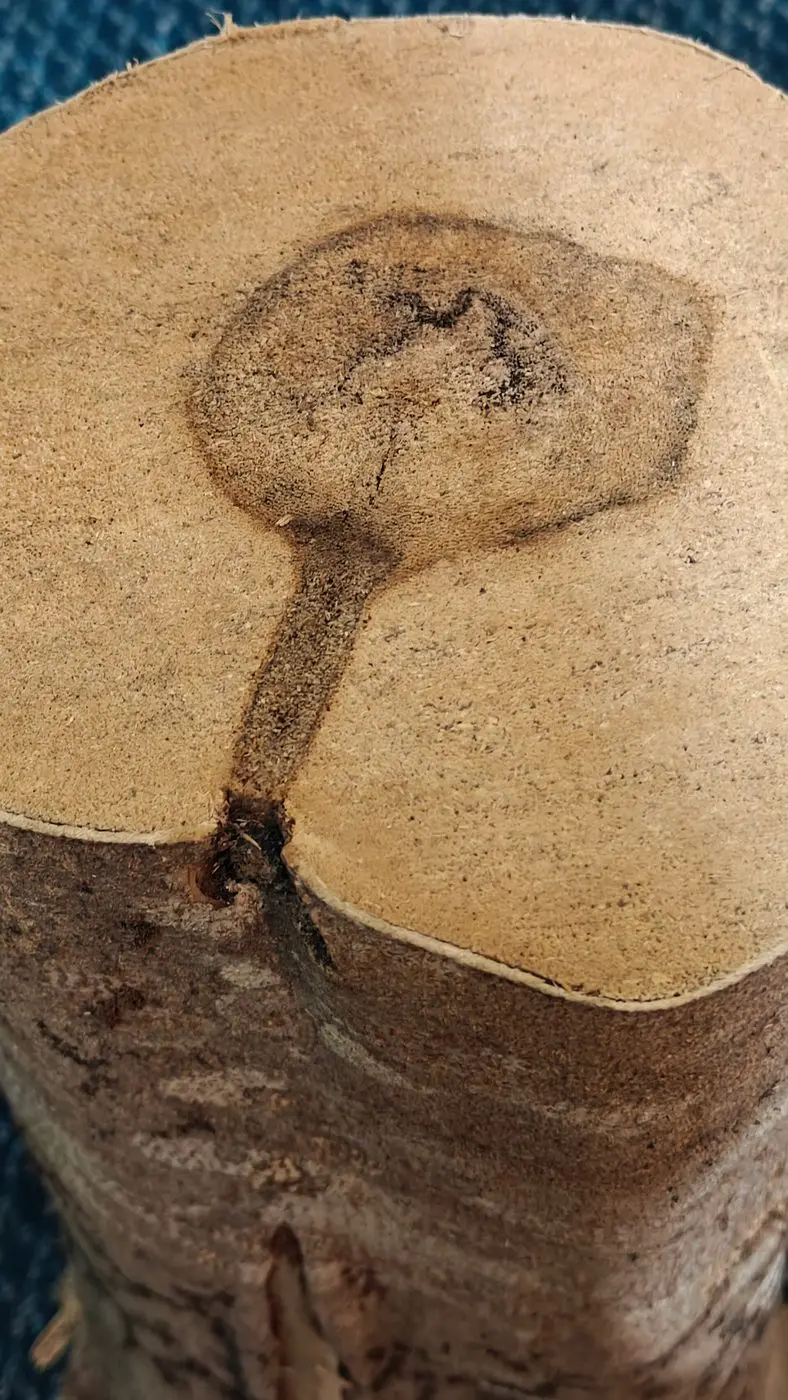
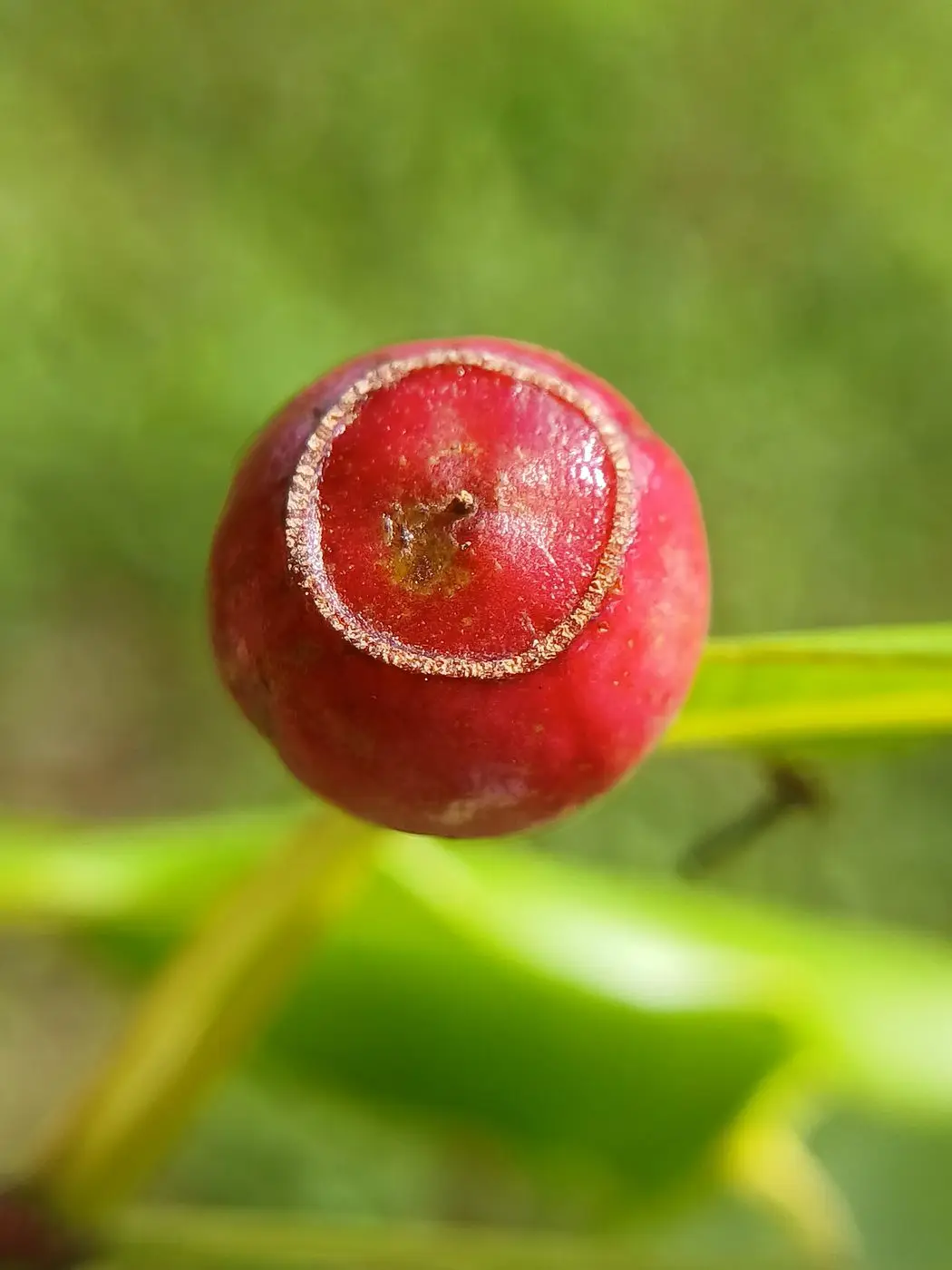
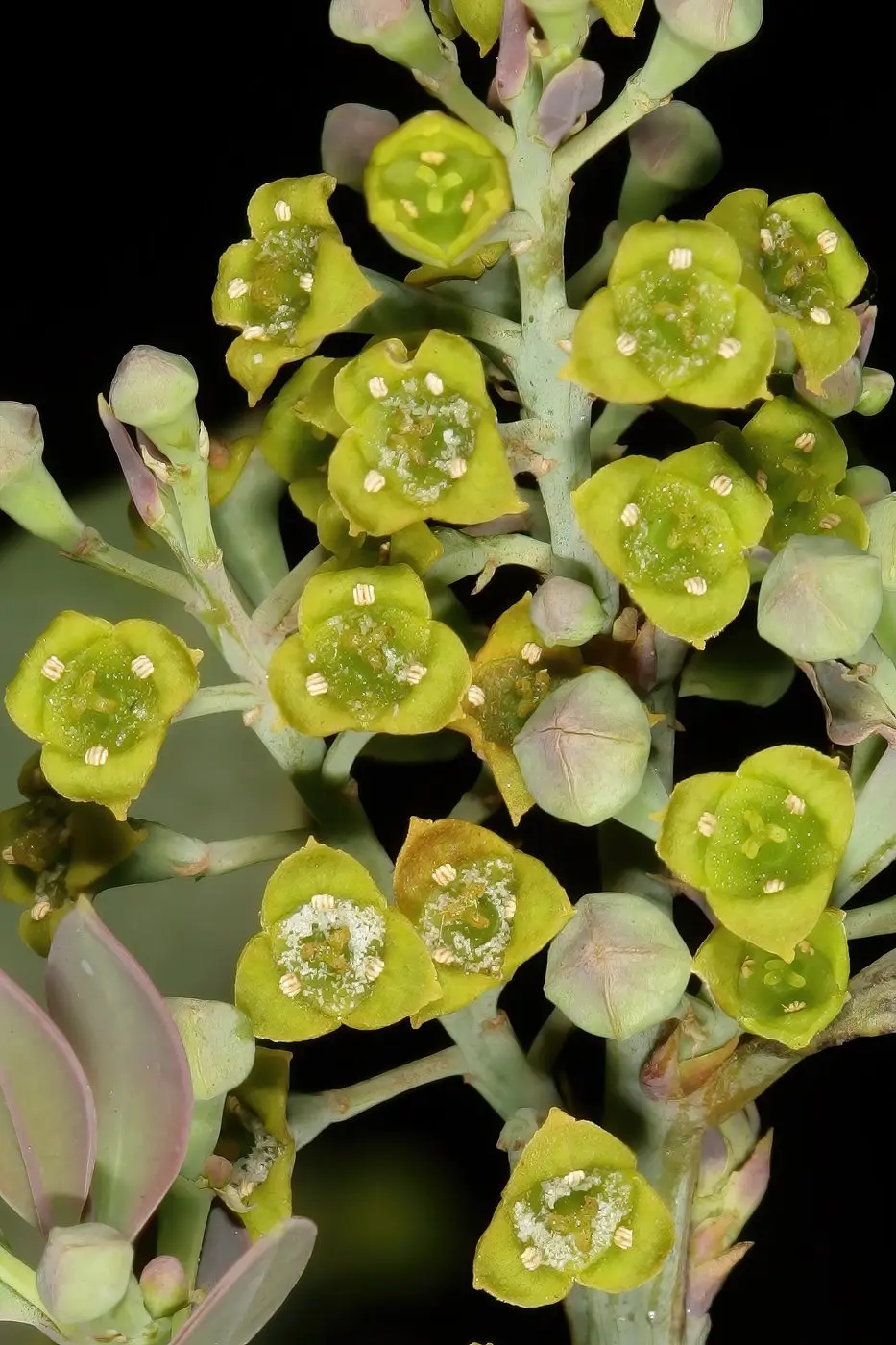
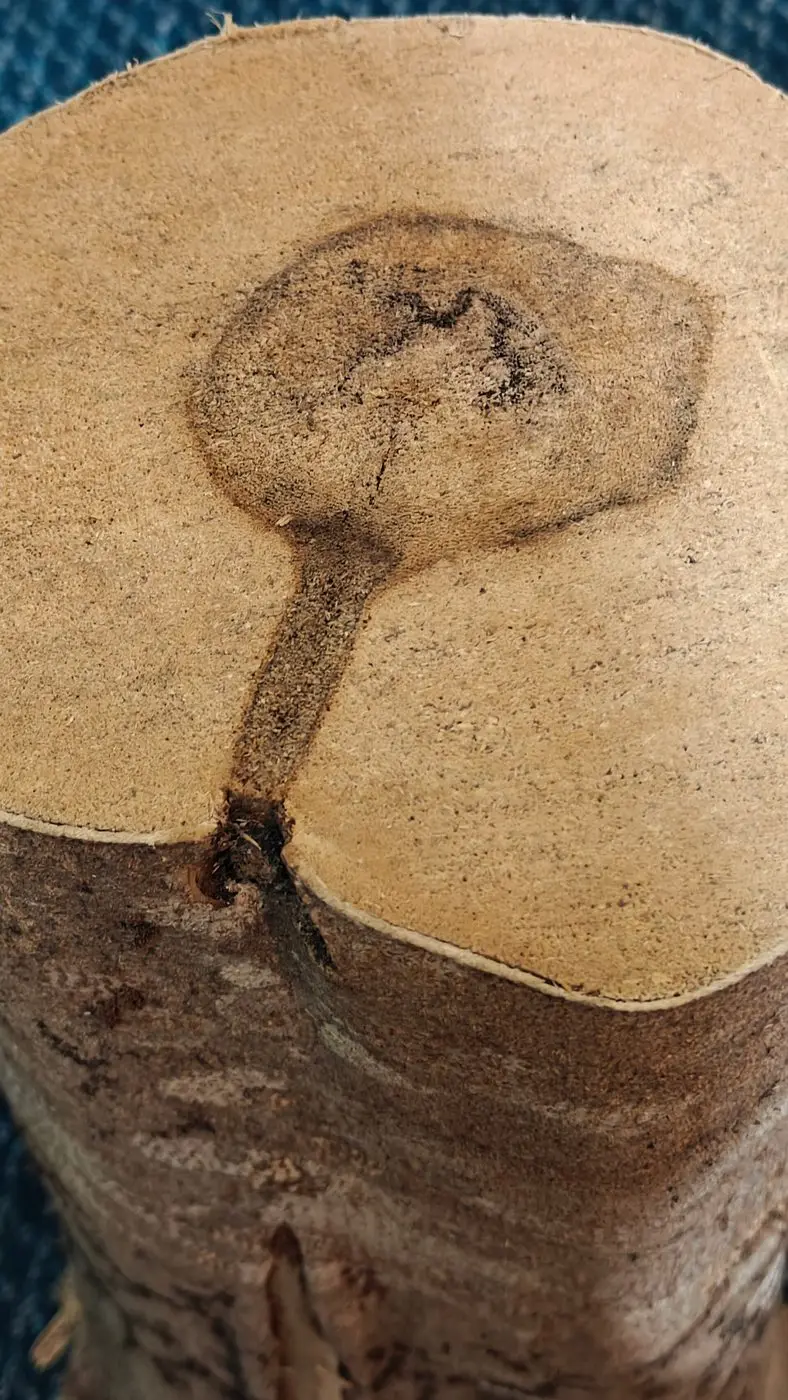
Reference photograph of the material, not of a specific lot. Rohitjahnavi, CC0 · 10 photographs
SKU
AGARWOOD-OIL-001
Material
Essential Oil
Origin
Cambodia
Extraction
Hydrodistillation
Plant part
Resinous heartwood
Lots held
1

Cambodian Agarwood Oil

Aquilaria crassna(Thymelaeaceae)

Low StockCambodia85 g unreserved
GC-MS AvailableCOA AvailableOrigin VerifiedTraceableSample AvailableCITES RegulatedLimited LotPremium Grade

Hydrodistilled Aquilaria crassna oil. CITES Appendix II — supplied only against a documented permit pathway.

CITES Appendix II

All Aquilaria species are listed on CITES Appendix II. Export requires a permit from the country of origin, and most destinations require corresponding import documentation. Availability, quantity and destination eligibility are assessed per shipment. We do not quote or ship this material without a documented permit pathway.

Pricing

Request wholesale quote

Price for this material depends on the lot, quantity and destination. We confirm it in writing rather than publishing a figure that would not survive your requirement.

MOQ

3 g

Available quantities
Request custom sourcing

Agarwood oil hydrodistilled from resinous Aquilaria crassna heartwood. Agarwood forms only where the tree responds to injury or microbial infection by laying down a dark, dense oleoresin; unaffected wood is not aromatic, which is the root of both the scarcity and the price.

Cambodian material is the reference profile for much of the fine fragrance and attar market: woody and resinous with a sweet, faintly fruity top and a smoky, animalic depth that develops over hours. Distillation practice varies enormously — soak duration, still material, distillation length — and affects the result at least as much as the wood grade.

All Aquilaria species are listed on CITES Appendix II. International movement requires an export permit from the country of origin and, for most destinations, corresponding import documentation. We do not quote this material without a documented permit pathway to the stated destination.

Declared origin
Cambodia
Additional origins
Not recorded
Harvest season
Not recorded
Harvest year
2025
Traceability
Recorded to distillation batch and permit reference. Permit references are held internally and disclosed to the buyer of record.

Lots

KHM-AGW-2025-001Limited lotOrigin verified
Available
Origin
Cambodia
Harvest
2025
Available
85 g
Testing
Completed

Trace this lot

  1. Harvest / collectionHarvest · 10 May 2025

    Raw material collected at declared origin during the 2025 season.

  2. HydrodistillationProcessing · 11 Jun 2025

    Hydrodistillation carried out at origin. Batch identified as KHM-AGW-2025-001.

  3. Intake and identificationIntake · 12 Jul 2025

    Batch received, weighed and assigned a lot reference against the supplier declaration.

  4. Analytical testing completedTesting · 13 Jul 2025

    Analysis completed for this lot. Reports are released per the documentation panel.

  5. Origin declaration verifiedDocumentation · 14 Aug 2025

    Supplier origin declaration checked against shipping and batch documentation.

Supplier and producer identity is held internally and is not published. Disclosure to a buyer of record is handled case by case.

Sweet and lightly fruity on the open, moving into a dense woody-resinous heart with smoky and animalic depth. Extremely tenacious; develops over many hours on skin and on blotter.

Woody96
Resinous82
Smoky72
Animalic68
Sweet60
Balsamic54
Leathery46

Relative prominence of each descriptor, recorded on evaluation. Indicative only; not an analytical measurement.

Botanical name
Aquilaria crassna
Botanical family
Thymelaeaceae
Common name
Oud, Cambodi
Material type
Essential Oil
Plant part
Resinous heartwood
Extraction method
Hydrodistillation
Extraction technology
Soaked wood, extended hydrodistillation in copper and steel stills
Colour
Dark brown to near-black
Appearance
Viscous liquid
INCI name
Aquilaria Crassna Wood Oil
CAS number
Not recorded
EINECS
Not recorded
HS code
3301.29
CITES status
CITES Appendix II
REACH
Not recorded
Shelf life
120 months
Storage
Store in full, tightly sealed amber glass or lined steel, away from light and heat, ideally between 4 and 15 °C. Headspace accelerates oxidation; decant into smaller vessels as stock is drawn down.
Allergens
Allergen content is determined per lot by analysis. Where an allergen declaration is listed for a lot, it reflects that lot only. Where no declaration is listed, none has been issued and none should be assumed.
Regulatory notes
CITES Appendix II. Plantation origin does not remove the permit requirement. Buyers are responsible for import permissions in the destination country.

Natural materials vary by harvest, season and lot. Specifications describe the referenced lot and are not a guarantee for future batches.

3 documents on file

  • COACertificate of Analysis — KHM-AGW-2025-001
    Documentation available upon request
  • GC-MSGC-MS Report — KHM-AGW-2025-001

    Component profile for the referenced lot.

    Documentation available upon request
  • SDSSafety Data Sheet
    Documentation available upon request
Documentation is issued per lot where it exists. Where a document is listed as available on request, it has not yet been published to this catalogue. Sign in to access documents released to account holders.

Wild agarwood harvesting has driven Aquilaria populations into decline across their range. Plantation-sourced material with documented chain of custody is the route we prefer and the only route we will pursue for volume supply.

Packaging options

  • 3 g vial
  • 12 g vial
  • 50 g amber glass
  • 250 g amber glass
Shipping eligibility is subject to destination-country regulations. Transit estimates are shown only where a configured shipping lane provides them.
Regulated material — availability and international trade are subject to applicable laws and permits. Export and import documentation is assessed per shipment and per destination.

Why is there no price shown?
Agarwood is quoted rather than listed. Price depends on the specific lot, the quantity, and the permit pathway to your destination — all three vary. A published figure would be misleading on all counts.
Can you ship agarwood to my country?
Only where a documented CITES permit pathway exists to that destination. Appendix II listing means an export permit is required from the country of origin, and most destinations require corresponding import documentation. Tell us the destination when you raise the request and we will assess it before quoting.
Does plantation-sourced agarwood still need CITES paperwork?
Yes. The listing applies to the genus, not to the harvesting method. Plantation material still requires an export permit. What plantation sourcing does change is the practical availability of a documented, repeatable chain of custody.
What makes agarwood so expensive?
Only a small proportion of Aquilaria trees produce resinous wood, the resin takes years to accumulate, oil yield from even good wood is very low, and the genus is CITES-listed, which adds a documentation burden to every shipment. The scarcity is real rather than manufactured.

Related materials