Skip to content

Asia

Cambodia

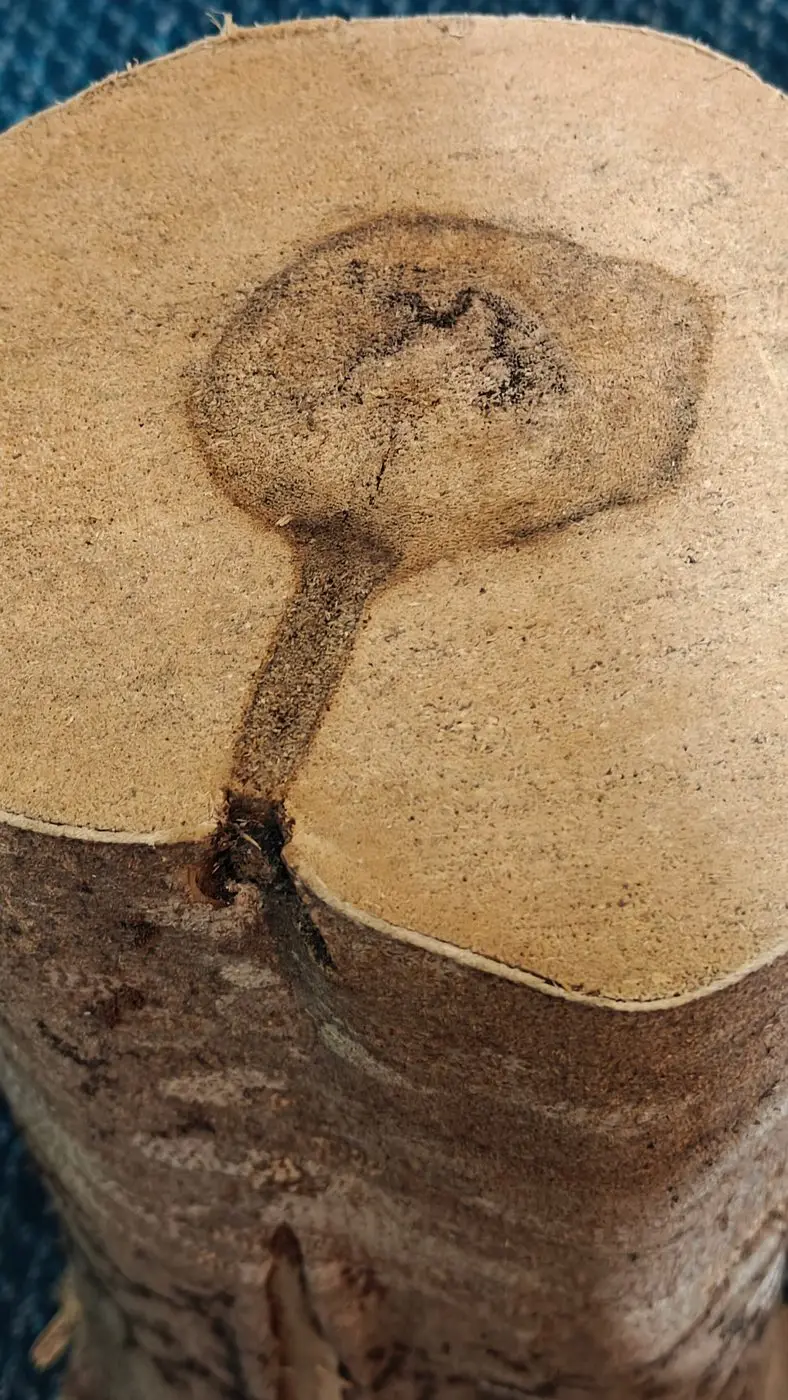
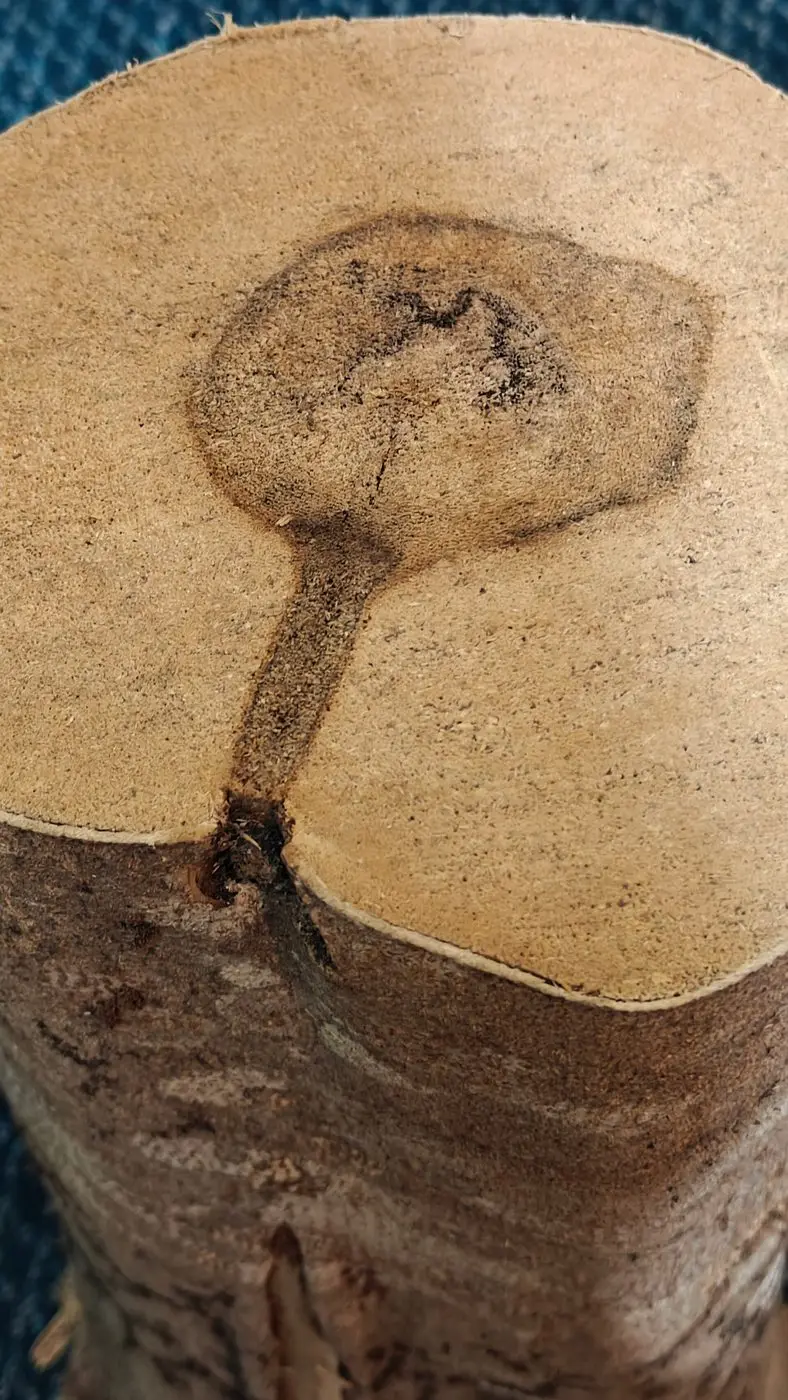
Aquilaria crassna agarwood, from both wild and plantation sources.

2Listings
1Lots held
1Origin verified

Cambodian agarwood is among the most sought-after in fine fragrance and attar work. All Aquilaria species are listed on CITES Appendix II, which means legitimate international movement requires export permits and, in most destinations, corresponding import documentation. Plantation-sourced material is increasingly the practical route to documented supply.

Trade considerations

CITES Appendix II. Availability and international trade are subject to permit. We do not quote agarwood without a documented permit pathway to the destination.

Materials from Cambodia2

Buyer’s guide

Sourcing aromatics from Cambodia

Cambodia is renowned for agarwood and oud oil from Aquilaria crassna. Cambodian oud is one of the most admired styles — sweet, fruity and smooth compared with the more animalic Indian ouds. Historically the resinous wood came from wild trees in the forests of the Cardamom Mountains and other regions; today most commercial production comes from plantations where trees are inoculated to induce resin.

Agarwood oil is made by soaking and hydro-distilling resinous wood for days, and the result depends heavily on wood grade and the distiller. Wild Cambodian oud is now very scarce and priced accordingly; plantation oils vary from excellent to ordinary.

All Aquilaria species are listed in CITES Appendix II, so Cambodian agarwood oil, chips and products need CITES export permits for international trade. Ask whether material is wild or plantation, request GC-MS and confirm the permit pathway before agreeing a shipment.
Common questions

What is Cambodian oud like?
Generally sweeter, fruitier and smoother than Indian or Bangladeshi oud, with less of the barnyard animalic character.
Is Cambodian agarwood wild or plantation?
Most commercial material today comes from plantations. Wild Cambodian agarwood is rare, and claims of wild origin should be backed by documentation.
Do Cambodian agarwood exports need CITES permits?
Yes. Aquilaria crassna is CITES Appendix II, so international shipments of its oil and wood require export permits.
A material is only shown under an origin where that origin is attached to its record. We do not infer origin from a trade name, and we do not list a country because it sounds right for the material.