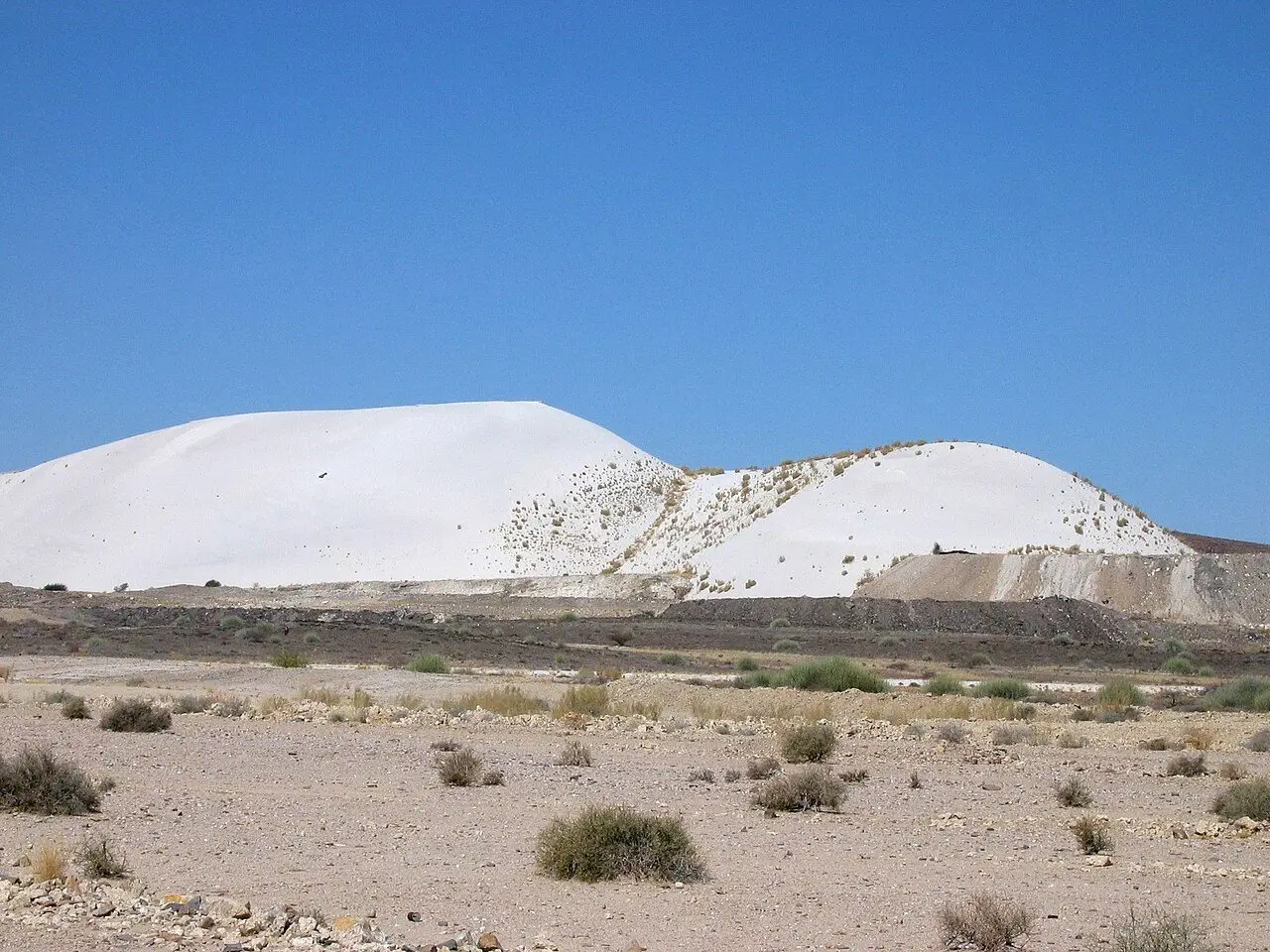
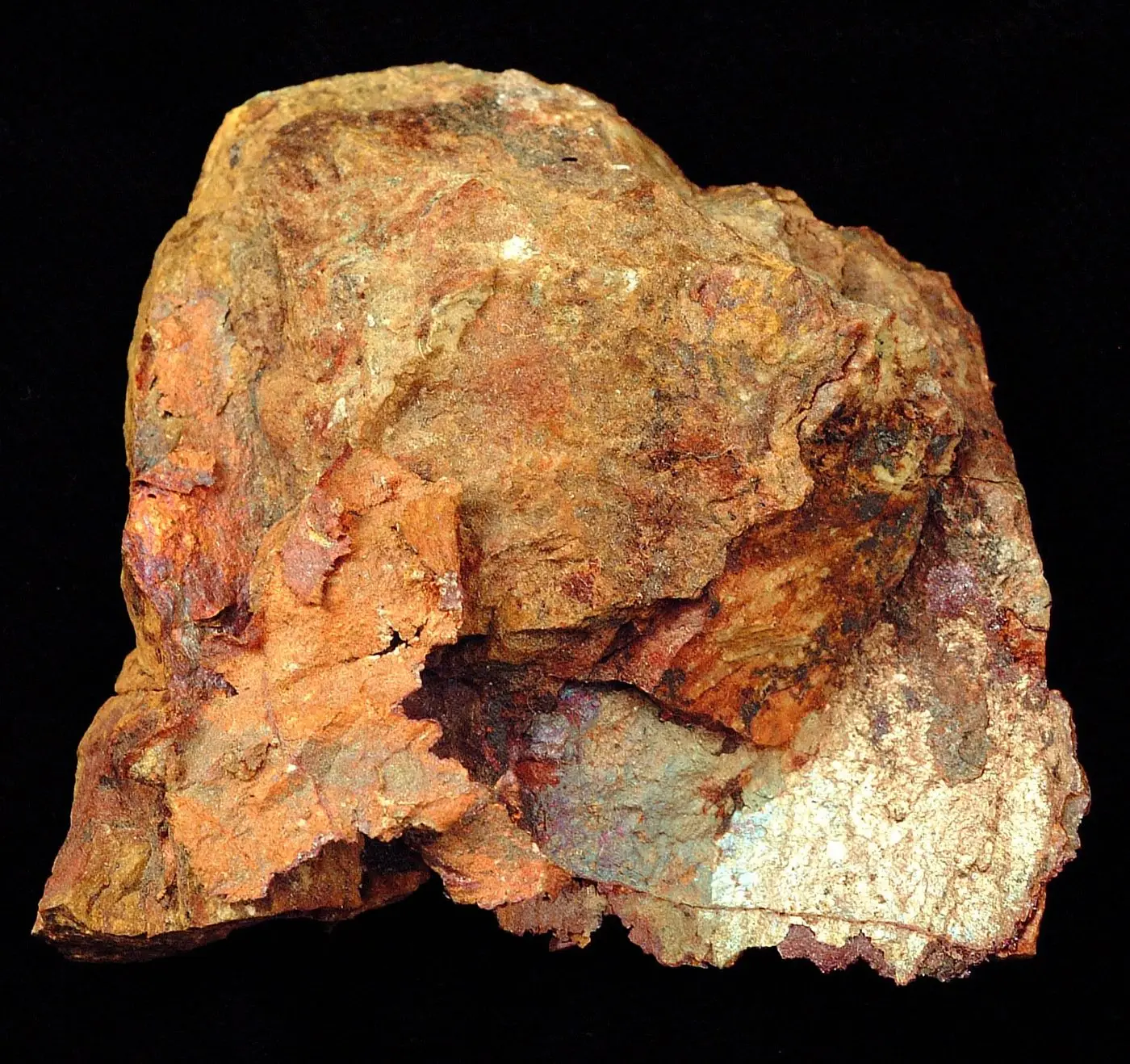
Goulamina
Operator: Ganfeng Lithium (65%) / Government of Mali
Spodumene concentrate; shipping since June 2025, output pre-sold (reported).
- Production
- First production 2025
- Export route
- West African ports
- Documentation
- Public sources
Demonstration dataListings, lots and offers shown are samplesAbout sample data

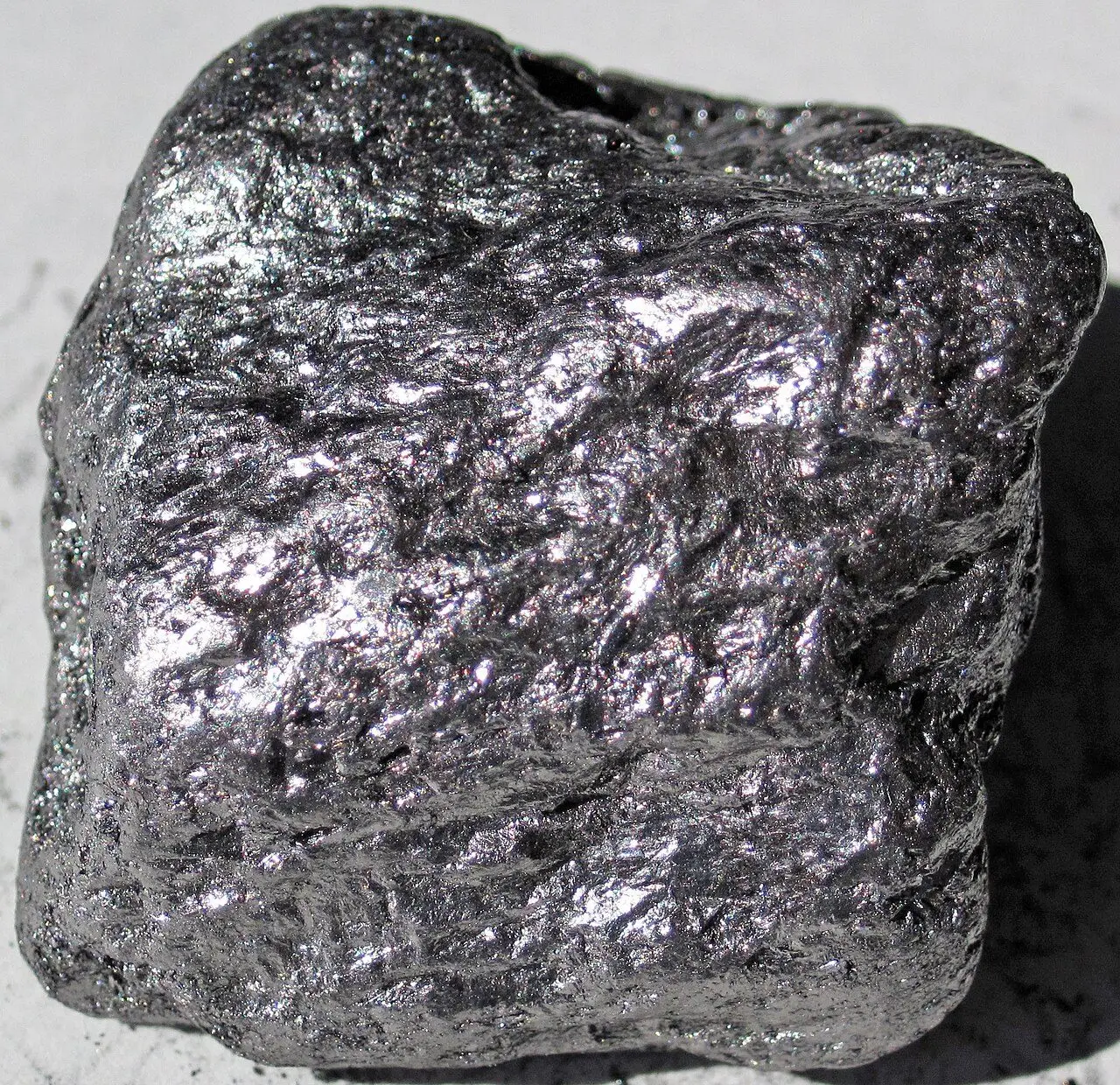
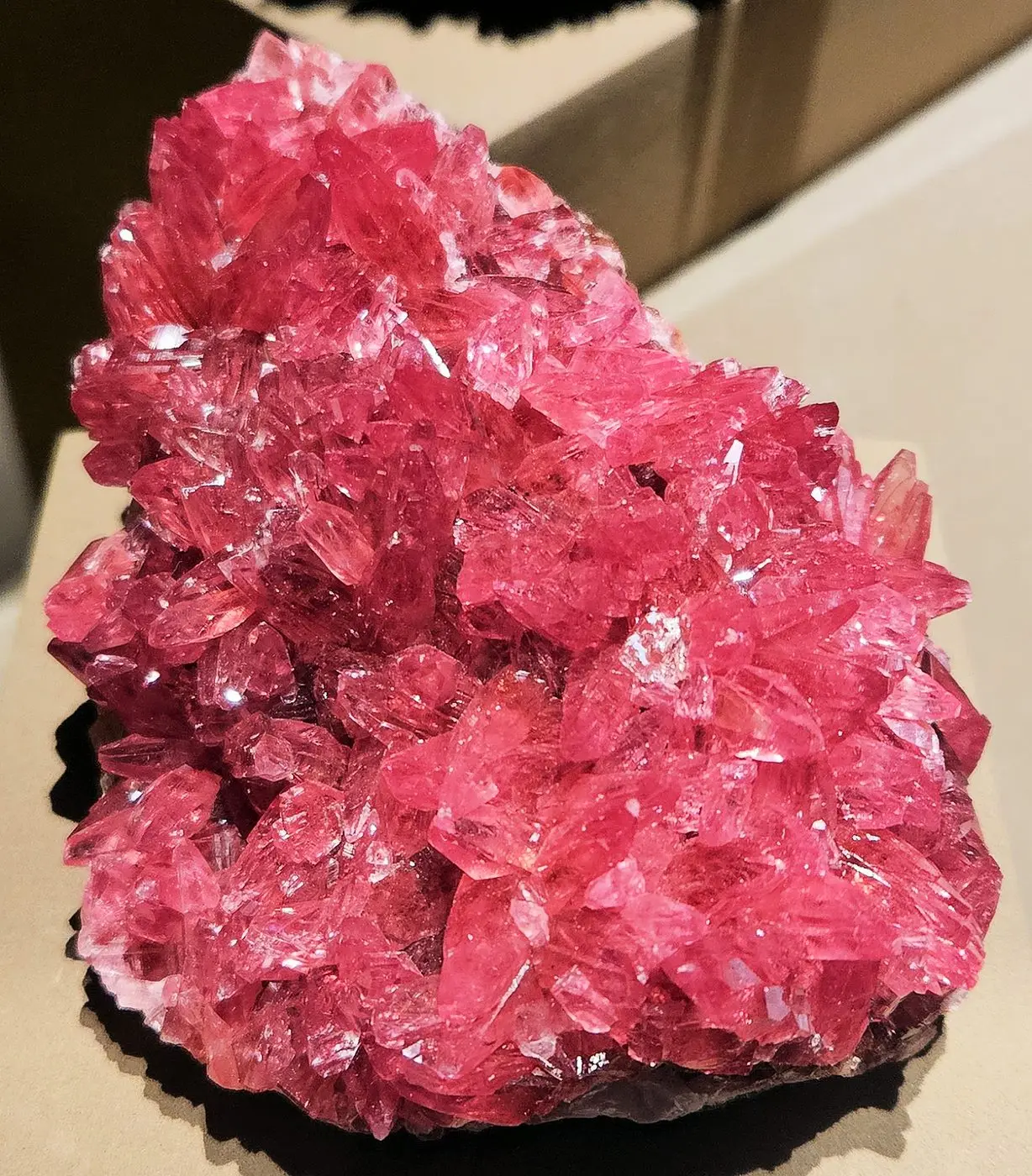
Reference specimen · Marie-Lan Taÿ Pamart, CC BY 4.0
Battery minerals
Top-10 #4Sample dataLithium is the defining battery metal. Africa went from almost nothing to one of the fastest-growing supply regions in 2023–25, led by Zimbabwe (Africa's #1, top-5 globally), then Mali (Goulamina, Bougouni), Nigeria and Namibia. African lithium is hard-rock (spodumene, petalite, lepidolite pegmatites), sold as mineral concentrate. Governments now force local processing: raw ore export bans are in place, and Zimbabwe is moving to ban concentrate in favour of lithium sulphate.
Controlled supply
This mineral is subject to export quota / ban applies. Offers are published only after ARAM has reviewed the supporting documents, and some details are visible to verified companies only.
Verified companies only
Volumes, origins and terms are shown to verified companies. Availability for everyone else: Contract / Pre-production (export-restricted in Zimbabwe, Namibia). Verify your company or submit a request.
Spodumene concentrate
Unit: dmt · HS 2530.90
benchmark SC6 (≥6.0% Li2O), chemical grade Fe2O3 <~1%; lower grades SC5.5/SC5 at discounts; DSO (direct-shipping ore, 1–2% Li2O) is effectively banned in Zimbabwe and Namibia
Petalite concentrate (~4% Li2O, very low iron)
Unit: dmt · HS 2833.29
Bikita, Zimbabwe; valued by glass-ceramics makers (technical grade)
Lepidolite concentrate (~2–3% Li2O)
Unit: dmt · HS 2836.91
lower value
Lithium sulphate
Unit: dmt · HS 2825.20
intermediate now built in Zimbabwe (Bikita/Sinomine, Prospect/Huayou); the only lithium export allowed there after the concentrate ban
Downstream (not yet in Africa at scale): lithium carbonate and hydroxide, battery grade ≥99.5%
Unit: dmt
ARAM sourcing assessment
High demand but constrained: owner offtakes and export bans. The opportunity is non-Chinese-controlled juniors (Namibia, Ghana, Mali's Bougouni) seeking Western offtakers, and lithium sulphate from Zimbabwe. Listing status: Contract / Pre-production; Zimbabwe and Namibia concentrate marked Export-restricted.
Zimbabwe
Bikita (Sinomine), Arcadia (Huayou), Sabi Star (Yahua), Kamativi and Sandawana — all Chinese-owned
Mali
Goulamina (Ganfeng 65%, state 30%), Bougouni (Kodal) — shipping since 2025
Namibia
Uis (Andrada), Karibib/Rubicon, Kohero
Nigeria
artisanal spodumene and lepidolite plus new Chinese plants (Nasarawa, Kwara)
DR Congo
Manono (AVZ/KoBold dispute; Zijin at Manono North-East) — development
Ghana
Ewoyaa (Atlantic Lithium) — development
USGS Mineral Commodity Summaries 2026 — African rows of the world production & reserves table
World Mine Production and Reserves: Significant revisions were made to the 2024 production for Argentina based on company reports and for Mali based on two new operations started in 2024. Reserves for Argentina, Australia, Brazil, Mali 770 9,400 370,000 Zimbabwe 20,000 28,000 500,000 Australia, 10 million tons; China, 10 million tons; Germany, 8.9 million tons; Canada, 8.1 million tons; Congo (Kinshasa), 3 million tons; Mexico, 1.7 million tons; Brazil, 1.4 million tons; Czechia, 1.3 million tons; Mali, 1.2 million tons; Serbia, 1.2 million tons; France, 1 million tons; Peru, 1 million tons; Russia, 1 million tons; Zimbabwe, 860,000 tons; Spain, 320,000 tons; Portugal, 260,000 tons; Namibia, 230,000 tons; Ghana, 200,000 tons; 7Other countries with reported reserves include Austria, Congo (Kinshasa), Czechia, Finland, Germany, Ghana, Mexico, Namibia, Serbia, and Spain. World total (rounded) 8222,000 8290,000 37,000,000
| Year | Country | HS | Value | Net weight |
|---|---|---|---|---|
| 2023 | Zimbabwe | 253090 | $878.4m | 799.1 kt |
| 2024 | Zimbabwe | 253090 | $282.2m | — |
| 2024 | Namibia | 253090 | $11.1m | 13.6 kt |
| 2023 | Namibia | 253090 | $9.5m | 51.1 kt |
| 2023 | Nigeria | 253090 | $2.8m | 4.6 kt |
| 2024 | Nigeria | 282520 | $2.5m | 8.6 kt |
| 2024 | Nigeria | 253090 | $2.1m | 6.5 kt |
| 2023 | Namibia | 283329 | $736k | 280 t |
Mirror data fills gaps where exporters report late or incompletely.
| Year | Buyer | Origin | HS | Value | Net weight |
|---|---|---|---|---|---|
| 2024 | China | Zimbabwe | 253090 | $791.3m | 1.26 Mt |
| 2023 | China | Zimbabwe | 253090 | $515.5m | 404.7 kt |
| 2023 | China | Nigeria | 253090 | $292.6m | 571.2 kt |
| 2024 | China | Nigeria | 253090 | $208.4m | 490.2 kt |
| 2023 | China | Namibia | 253090 | $32.7m | 105.6 kt |
| 2023 | Japan | Zimbabwe | 253090 | $5.6m | 10.0 kt |
| 2024 | China | Namibia | 253090 | $5.4m | 13.7 kt |
| 2024 | Japan | Zimbabwe | 253090 | $1.8m | 2.0 kt |
| 2023 | China | Mali | 253090 | $1.7m | 6.9 kt |
| 2024 | Rep. of Korea | Zimbabwe | 253090 | $1.2m | 456 t |
| 2023 | China | DR Congo | 253090 | $677k | 77 t |
| 2024 | China | DR Congo | 253090 | $411k | 103 t |
Source: UN Comtrade (public data). Values in US$.
Minerals trade on formula prices: a published benchmark × metal content × payable percentage, less treatment charges and impurity penalties, settled on independent assay. Payment is typically by documentary letter of credit, with 90–95% provisional payment against shipping documents and the balance on final assay.
Request terms for LithiumZimbabwe
Export ban
raw-ore export ban since Dec 2022; concentrate export ban announced for Jan 2027, reported brought forward to 2026 — verify before any offer; 5% export levy
Reported — verify before relying on itSource
Namibia
Export ban
unprocessed lithium (and other critical-mineral ore) export ban since 2023, small-quantity ministerial exemptions
Primary sourceSource
Mali
Permit / licence
2023 mining code (higher state stakes); export permits per shipment
Primary sourceSource
Nigeria
Export ban
ban on raw ore export (2022 policy) and crackdown on illegal mining
Primary sourceSource
Operator: Ganfeng Lithium (65%) / Government of Mali
Spodumene concentrate; shipping since June 2025, output pre-sold (reported).
Operator: Kodal Minerals
Spodumene concentrate.
Operator: Atlantic Lithium
Spodumene project.
SC6 = spodumene concentrate ≥6.0% Li2O (market benchmark); chemical grade typically Fe2O3 <0.75–1.0%, limits on Na, K, Ca, P, moisture and PSD. Lower-grade SC5.5/SC5.0 priced at discounts.
Source 1 · energy-solutions.coSource 2 · terrastudio.bizSource 3 · unitedmetals.in
Zimbabwe: raw lithium ore export ban since Dec 2022; announced (June 2025) ban on lithium concentrate exports from Jan 2027, only lithium sulphate exportable thereafter; reported acceleration to an immediate concentrate ban in Feb 2026 (verify current status). ~1.13 Mt spodumene concentrate exported in 2025; sulphate plants at Bikita (Sinomine) and Prospect Lithium (Huayou).
Source 1 · spglobal.comSource 2 · source.benchmarkminerals.comSource 3 · iea.orgSource 4 · miningzimbabwe.com
Mali: Goulamina (Ganfeng 65%, state 30%) shipping since June 2025, output pre-sold to Chinese controlling shareholders; Bougouni (Kodal) also exporting. Namibia banned export of unprocessed lithium and other critical-mineral ores in 2023 (ministerial small-quantity exemptions).
Source 1 · ecofinagency.comSource 2 · mysteel.netSource 3 · africa-legal.comSource 4 · source.benchmarkminerals.com
Research compiled September 2026 from USGS, UN Comtrade, producer and regulator publications. Facts marked “reported” come from secondary sources and should be confirmed before contracting.
On the ground · Lithium
The mines and districts that define supply, with their operators. They are shown for geographic context: third-party operations, not ARAM sites, and not the source of any particular lot. Ownership and status as publicly reported in 2026.
Producing mineNamibia
Operated by Andrada Mining
A former tin mine in Erongo revived for tin, tantalum and lithium from its pegmatites.
Photo: Harald Süpfle · CC BY-SA 2.5Zimbabwe
No freely licensed photograph
Zimbabwe
Operated by Sinomine Resource Group
A historic lithium pegmatite mine known for petalite and spodumene; a lithium-sulphate plant is being built as Zimbabwe moves to ban concentrate exports.
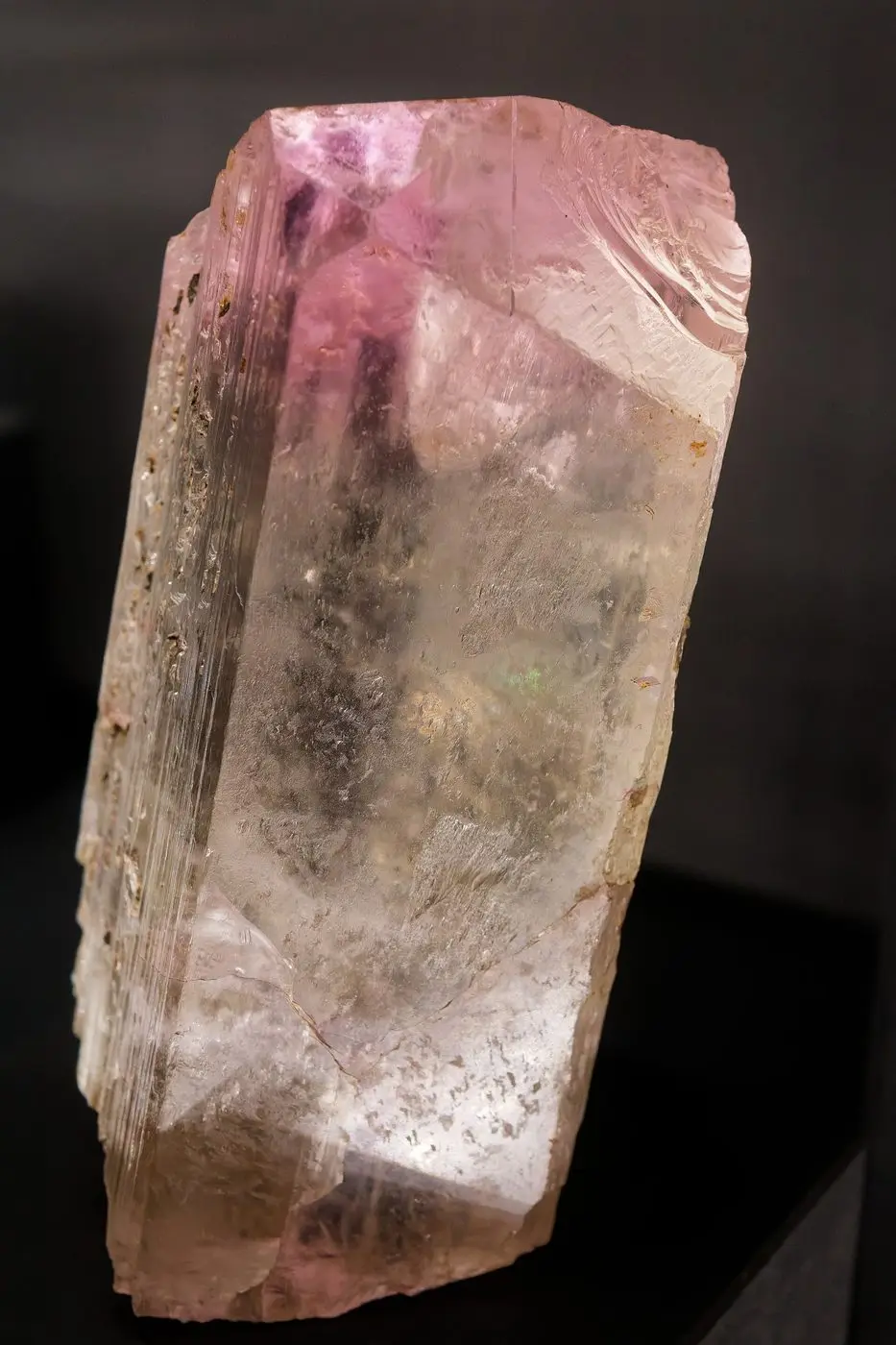
Marie-Lan Taÿ Pamart, CC BY 4.0
Géry PARENT, CC BY-SA 3.0
Didier Descouens, CC BY-SA 4.0
Shannon Heinle, CC0
Ra'ike, CC BY-SA 3.0
Eurico Zimbres, CC BY-SA 2.5
Zbynek Burival, CC BY-SA 4.0
Shannon Heinle, CC0
Robert M. Lavinsky, CC BY-SA 3.0
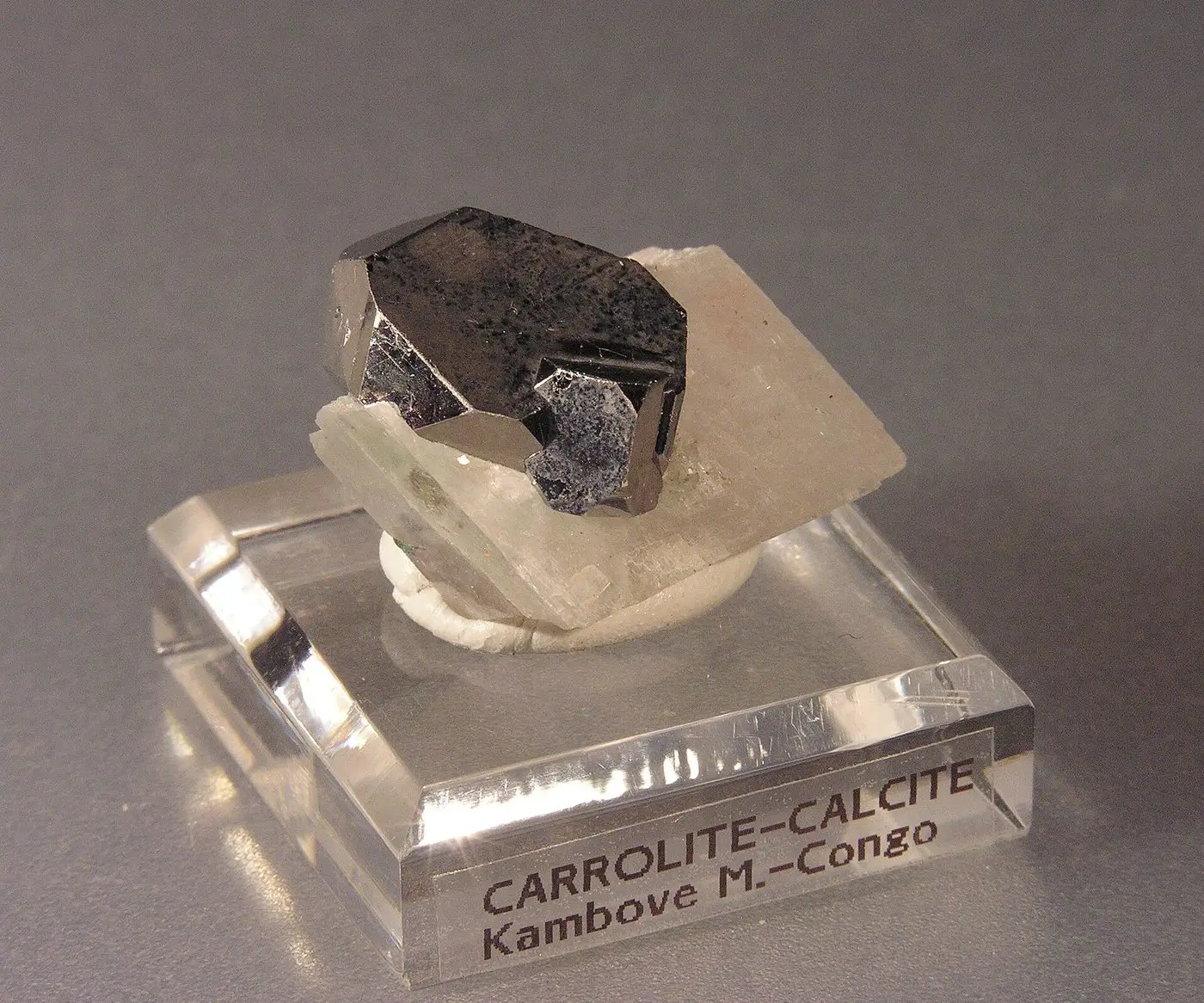
Reference specimens of the ore minerals and products, from public collections. They illustrate the material, not a specific ARAM lot or source.
#05Battery minerals
Natural flake graphite is the main raw material for battery anodes (as spherical graphite) and for refractories. China controls most mining and more than 90% of anode processing and has tightened graphite export controls since December 2023. That makes African flake strategically valuable. Mozambique (Balama, the world's largest flake mine), Madagascar and Tanzania are the key sources.
#01Battery minerals
Cobalt is a battery and superalloy metal, and the DRC supplies roughly 70–75% of the world's mined cobalt, almost all as a by-product of copper mining. Most DRC output leaves as cobalt hydroxide, an intermediate that is refined (mostly in China) into sulphate for batteries or metal for alloys. Since 2025 the DRC has controlled exports through the ARECOMS quota system, turning a surplus market into a managed one.
#09Battery minerals
Manganese is essential to all steelmaking (as ferromanganese and silicomanganese alloys) and is a growing battery input as high-purity manganese sulphate (HPMSM) for NMC and LMFP cathodes. South Africa holds the Kalahari Manganese Field, about 70–80% of the world's economic manganese resources, and is the world's largest producer. Gabon (Moanda) supplies the highest-grade ore.
#02Battery minerals
Copper is the backbone of electrification: power grids, EV motors and wiring, renewables and data centres. The DRC is now the world's #2 mine producer after Chile, and Zambia is Africa's #2; together they form the Central African Copperbelt, one of the world's highest-grade copper provinces. Africa exports copper at every stage, from concentrate to refined cathode.