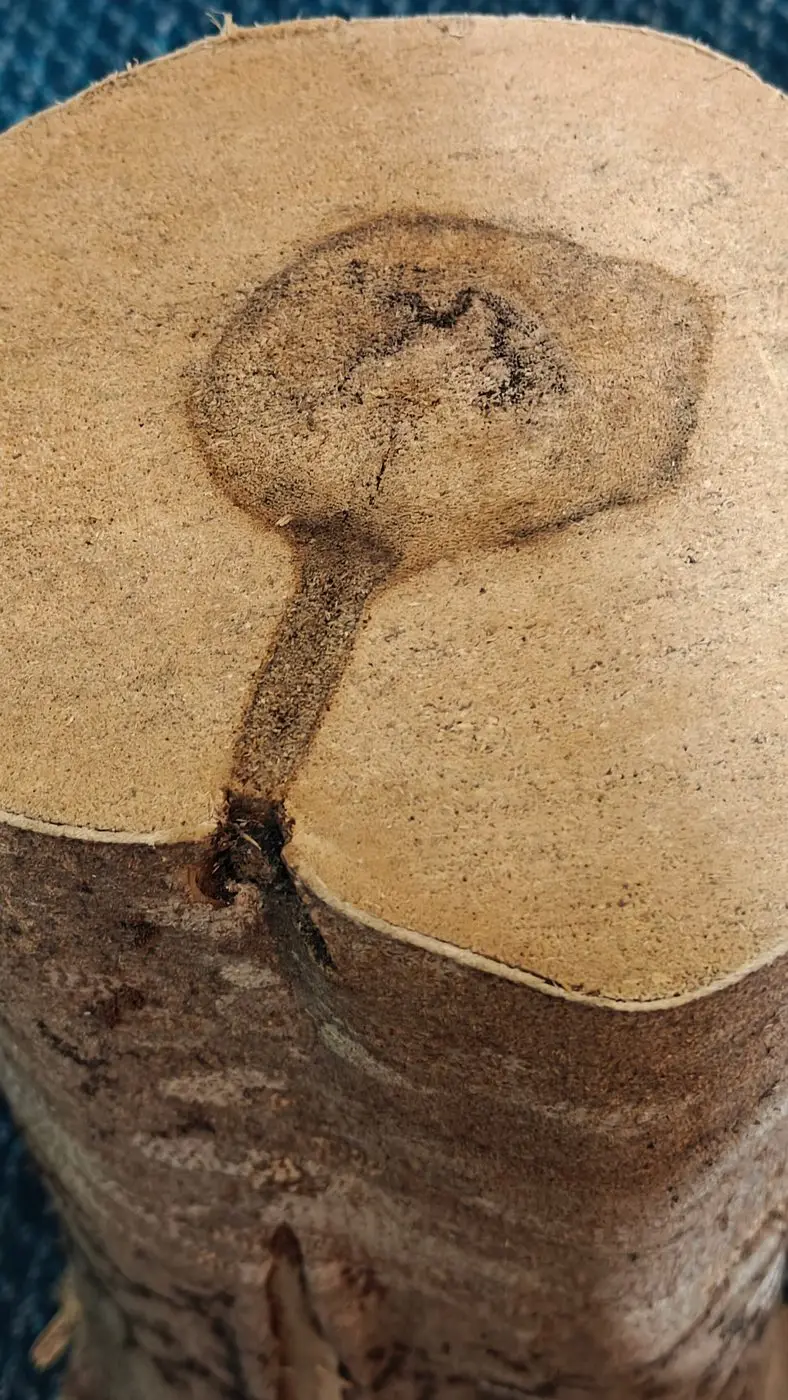
Oud oil is distilled from agarwood: the dark, resin-saturated heartwood that Aquilaria trees form in response to injury and fungal infection. Healthy wood has almost no scent; only infected wood carries the resin. Traditionally the trees were found wild in the forests of South and Southeast Asia. Today most commercial oud comes from plantations where trees are deliberately inoculated to trigger resin formation.
The wood is typically soaked, then hydro-distilled for days. Yields are very low, and the result differs sharply by species, region, wood quality and the distiller's method. Cambodian, Indian (Assam), Malaysian, Vietnamese and Thai ouds are recognised styles, ranging from sweet, fruity and leathery to animalic and smoky. Wild-harvested oud is now rare and priced accordingly.
All Aquilaria and Gyrinops species have been in CITES Appendix II since 2004, so oud oil and wood need export permits for international trade. Buyers should also ask whether an oil is wild or plantation, pure or blended, and request GC-MS — dilution with carrier oils and reconstitutions are common in the market.