For buyers
Tell us what you need. We source against the specification.
ARAM connects professional buyers with verified African producers of strategic minerals and rare natural aromatics — and handles the checks that make cross-border supply safe to contract.
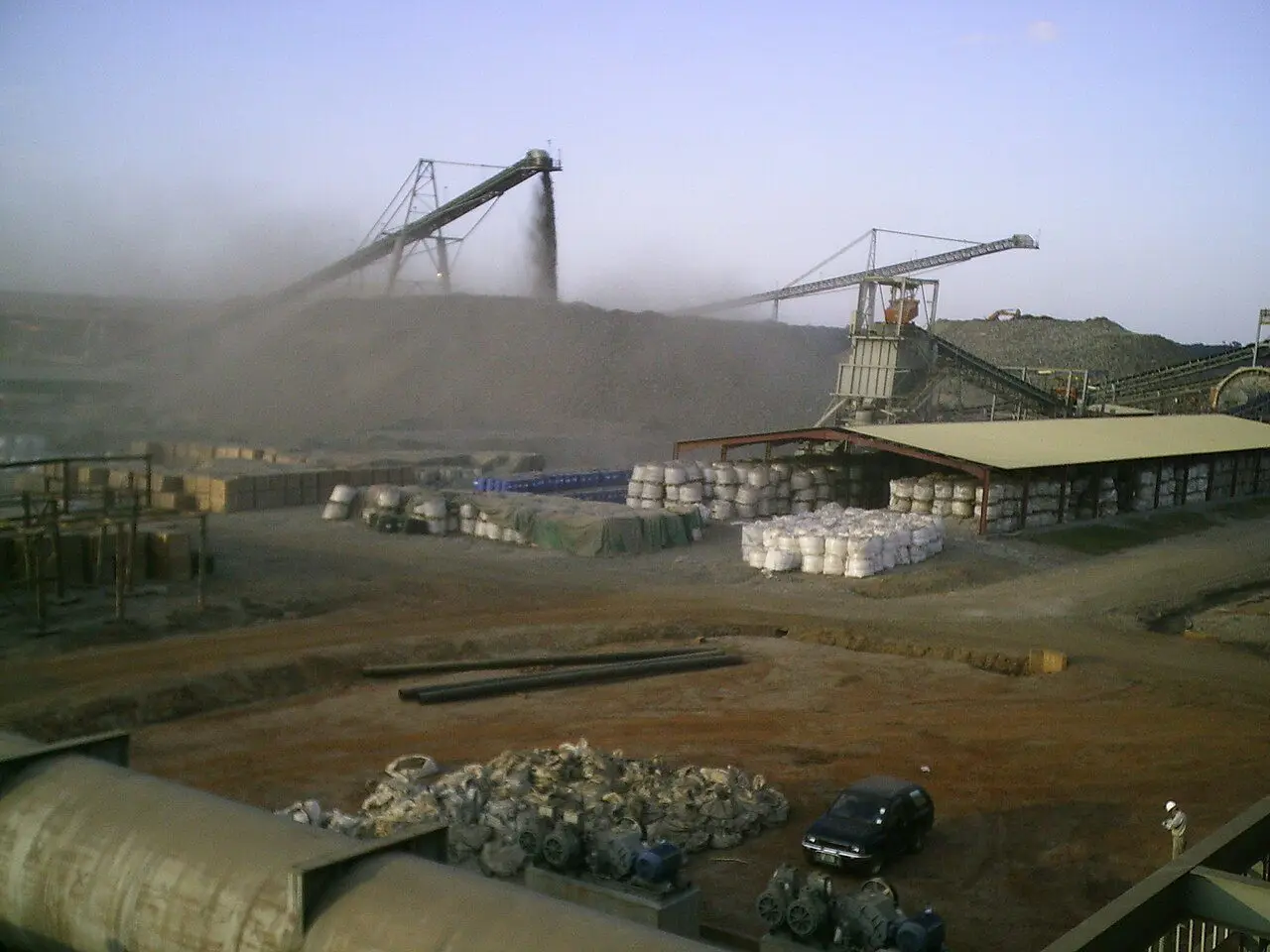
Kansanshi — Zambia — third-party operation · Paule1981, Public domain
01Who we serve
Four kinds of buyer, one standard of evidence.
- Request a sample
Fragrance
- Perfume houses
- Independent perfumers
- Compounders
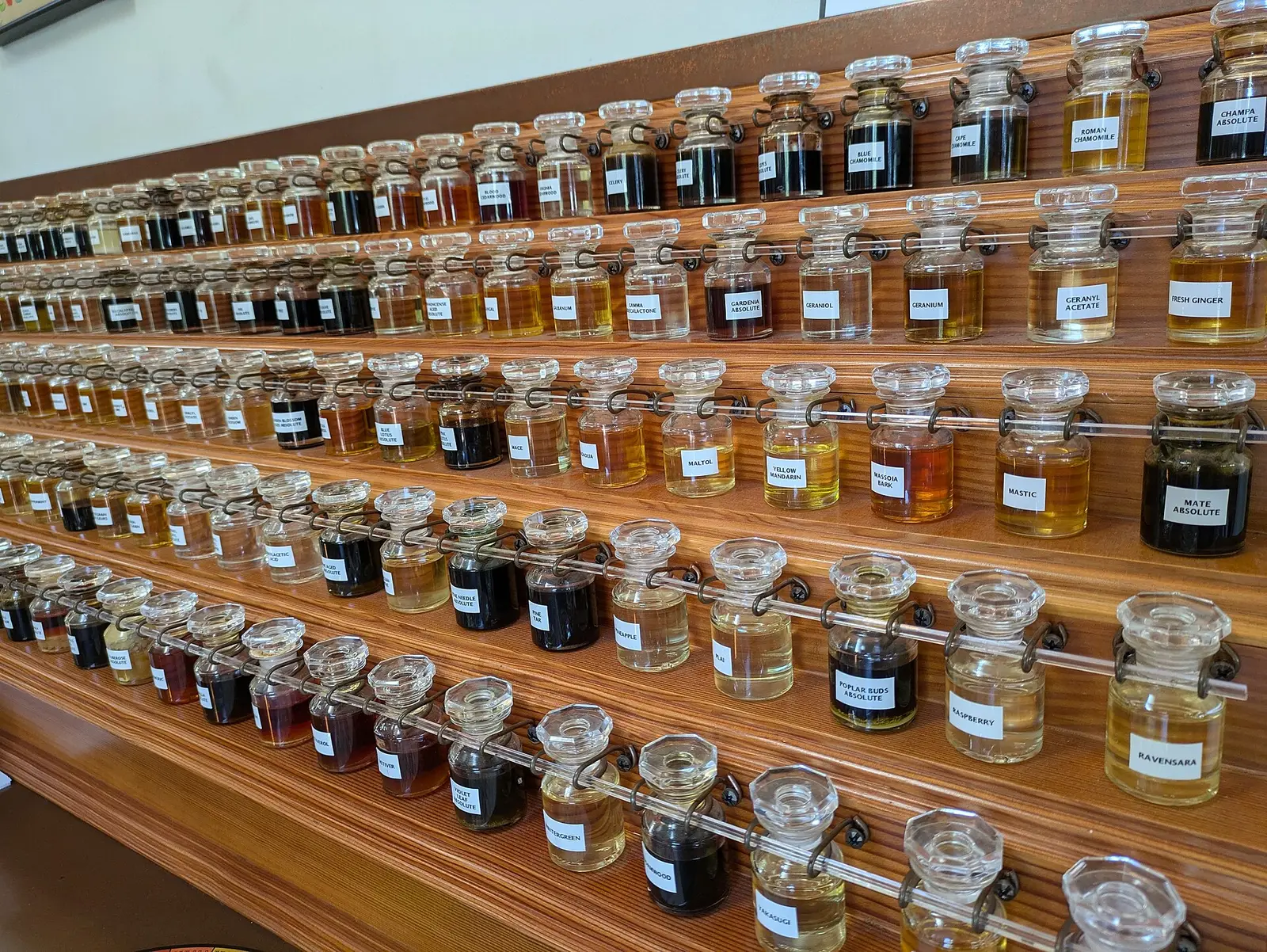
A perfumer's organ — Aftel Archive, Berkeley — reference image · Mx. Granger, CC0
- Request a quote
Cosmetics
- Skincare brands
- Personal care
- Ingredient manufacturers
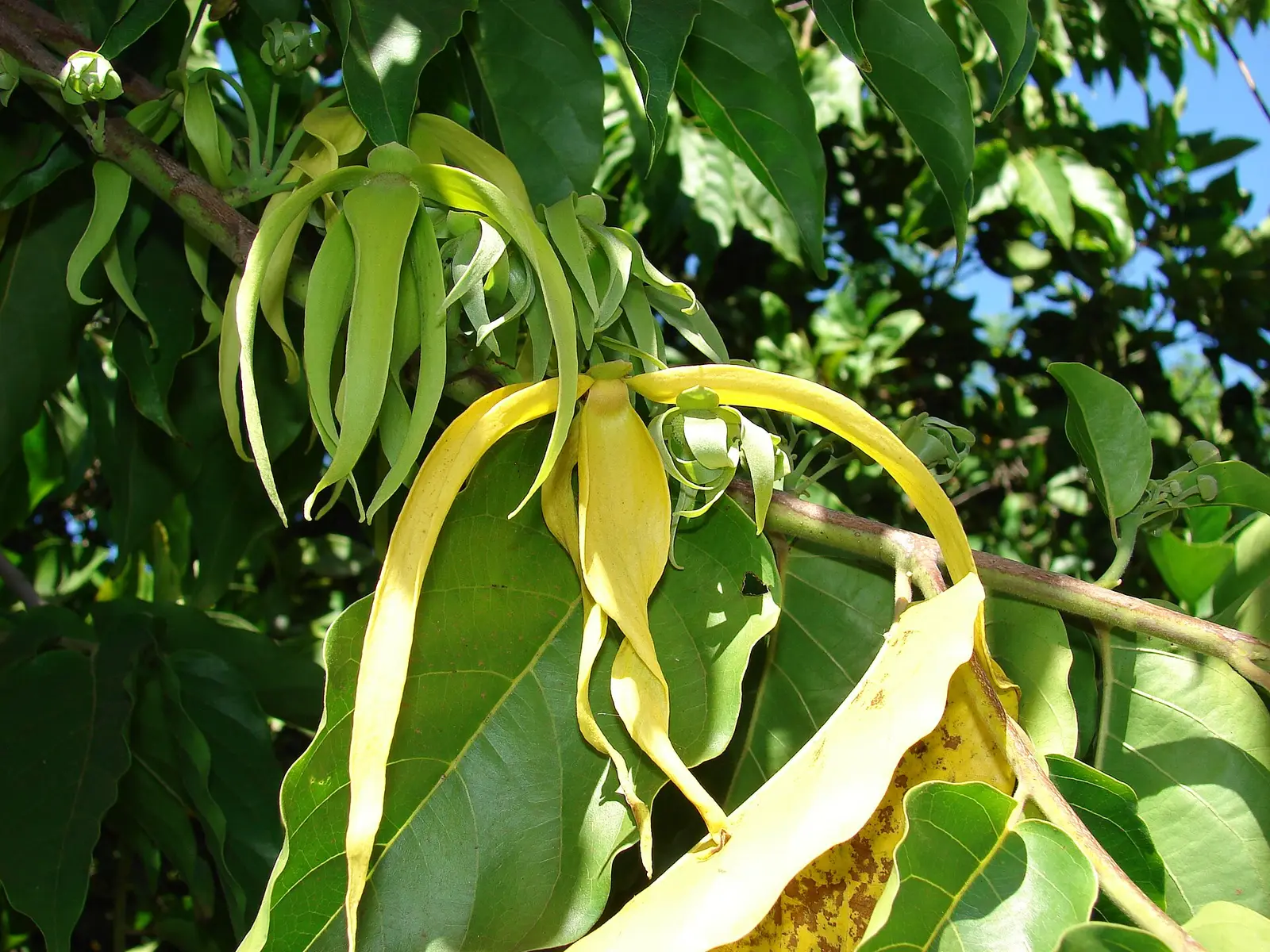
Cananga odorata — ylang-ylang flowers — Maui, Hawaii — reference specimen · Forest & Kim Starr, CC BY 3.0
- Submit a specification
Minerals
- Traders
- Processors and refiners
- Industrial manufacturers
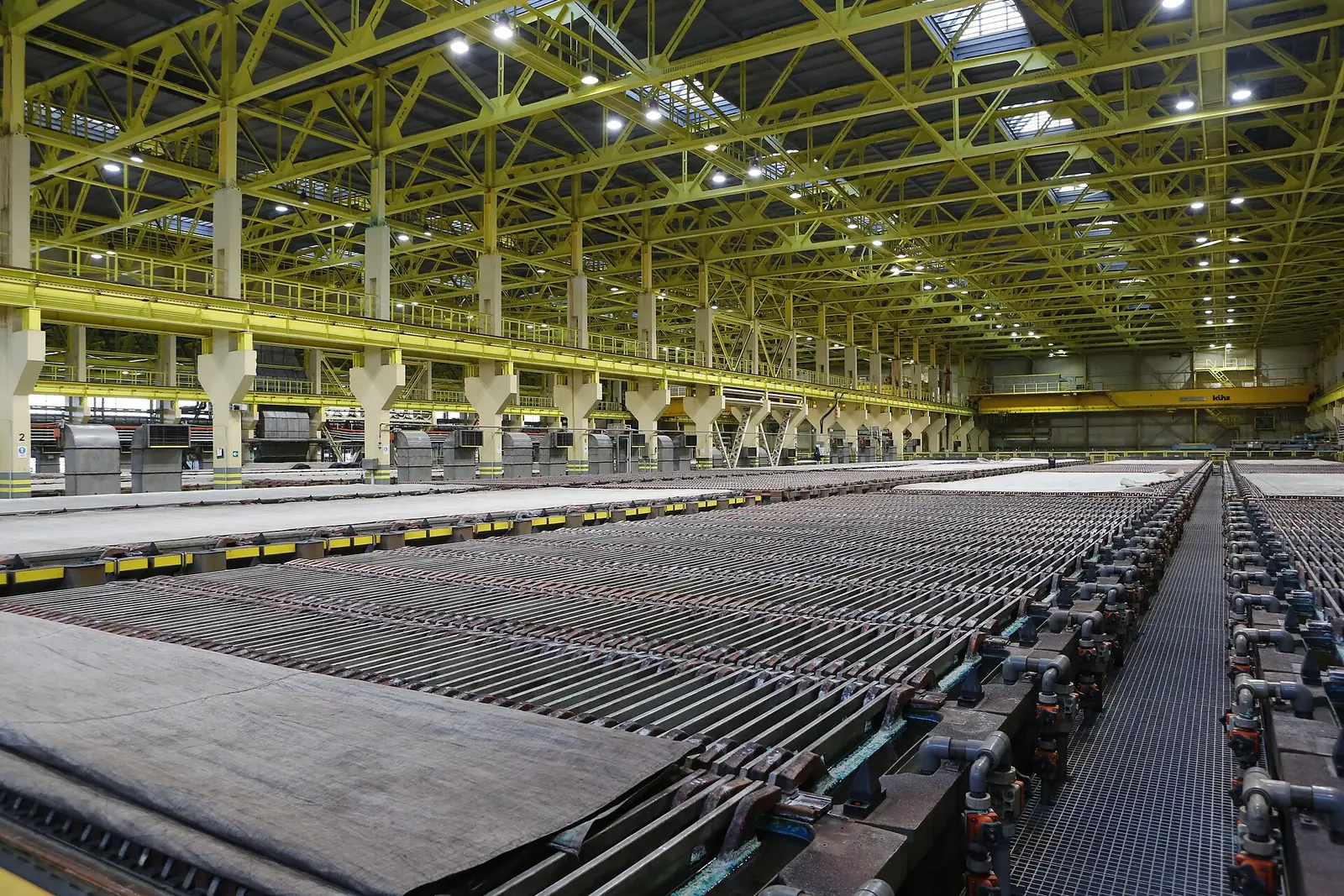
Copper refinery tankhouse — Reference image — third-party operation · Вадим Смальков, CC BY-SA 4.0
- Discuss a project
Projects
- Project developers
- Offtake buyers
- Institutional procurement
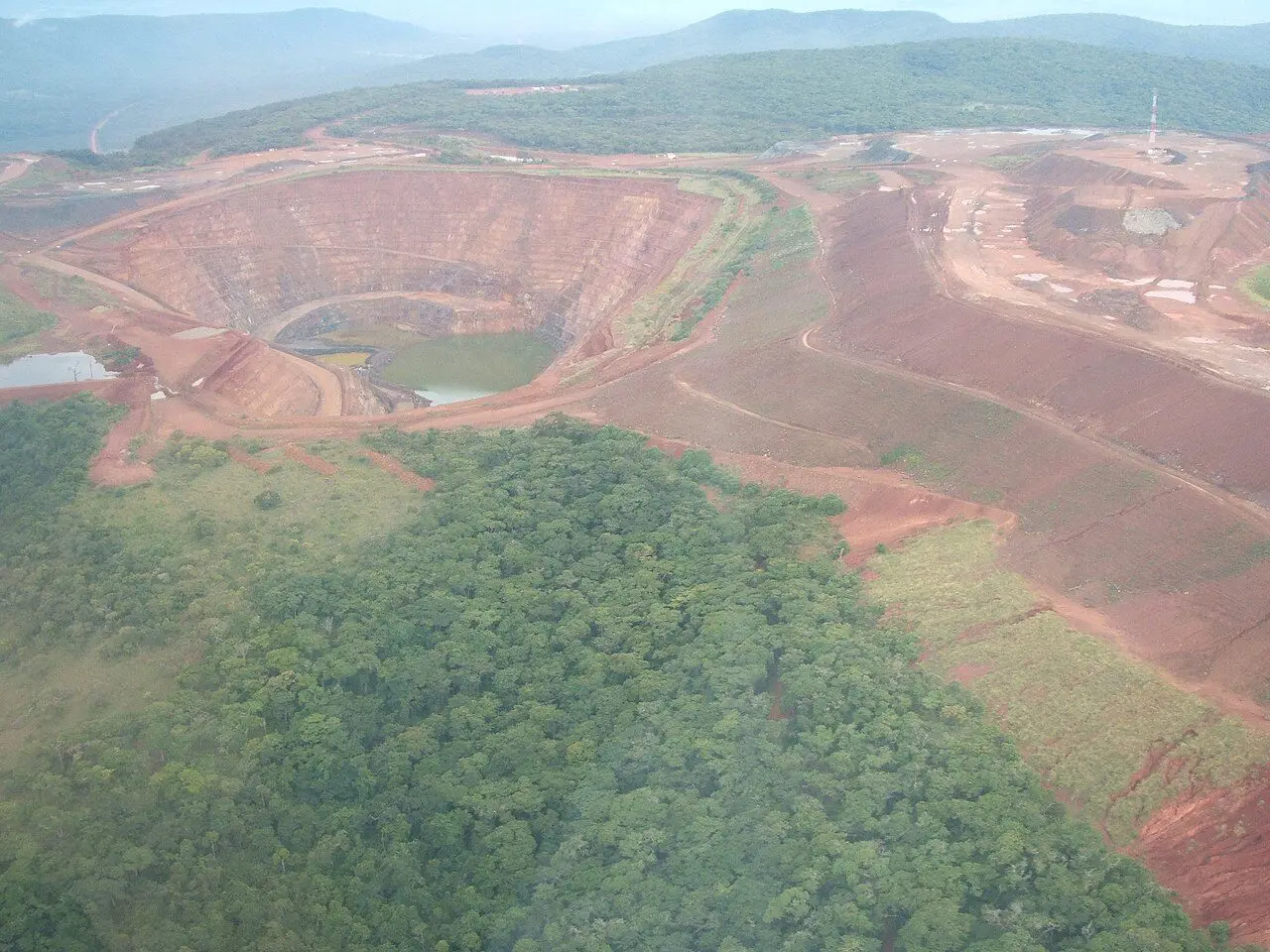
Geita — Tanzania — third-party operation · Gordon Greenall, CC BY-SA 2.0
02How an RFQ works
Seven steps from specification to shipment.
01
Specification
Material, grade or quality parameters, and the documents you need with it.
02
Volume
Sample, trial lot, spot parcel or recurring supply — and the timing.
03
Destination
Delivery country and Incoterm, so export and import rules are assessed up front.
04
Verification
Both sides clear KYC and sanctions screening; we check producer licences and permits.
05
Supply options
Producers whose material and paperwork fit — presented with evidence, not promises.
06
Documentation
COA, GC-MS or independent assay, certificate of origin and custody records per lot.
07
Shipment
Contract, inspection, sealing and export through the corridor that suits the cargo.
03What you can rely on
Trust is built from evidence.
Read how we check producers on the verification page and which rules apply on the compliance page.
- No anonymous material
- Every offer is tied to a verified company with disclosed beneficial owners.
- Rules stated up front
- Export bans, quotas, 3TG due diligence, Kimberley Process and nuclear licensing are shown on each mineral page.
- Independent numbers
- Grades are confirmed by third-party assay, not the seller's certificate alone.
- A written trail
- Each request keeps a timeline you can follow in your account.
04Most requested
Where buyers start.
 #01
#01Battery minerals
Cobalt Co
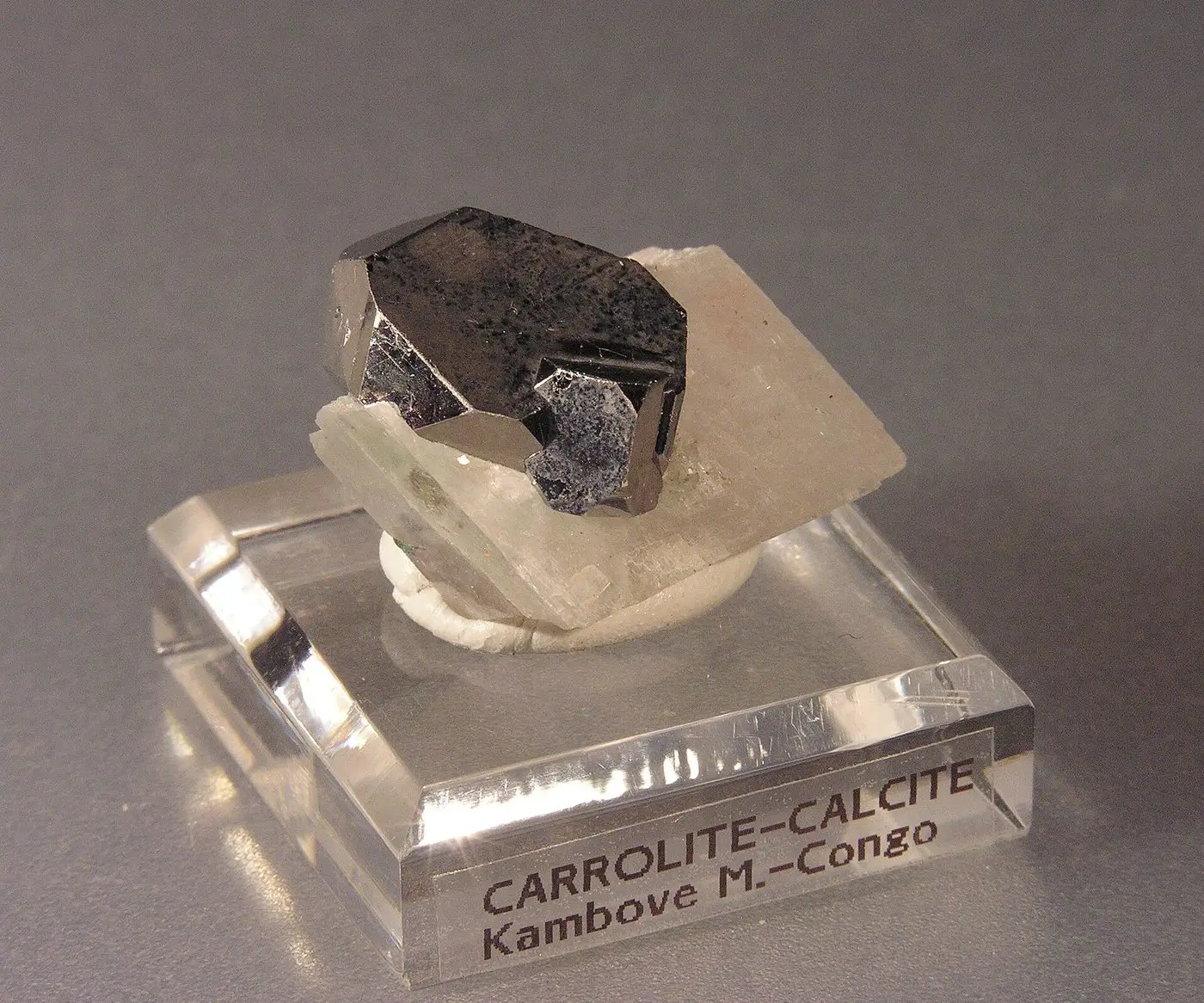
Cobalt is a battery and superalloy metal, and the DRC supplies roughly 70–75% of the world's mined cobalt, almost all as a by-product of copper mining. Most DRC output leaves as cobalt hydroxide, an intermediate that is refined (mostly in China) into sulphate for batteries or metal for alloys. Since 2025 the DRC has controlled exports through the ARECOMS quota system, turning a surplus market into a managed one.
- Supply
- Export-restricted → Contract
- Assay
- Independent — required
- Origin
- Verified per offer
 #02
#02Battery minerals
Copper Cu
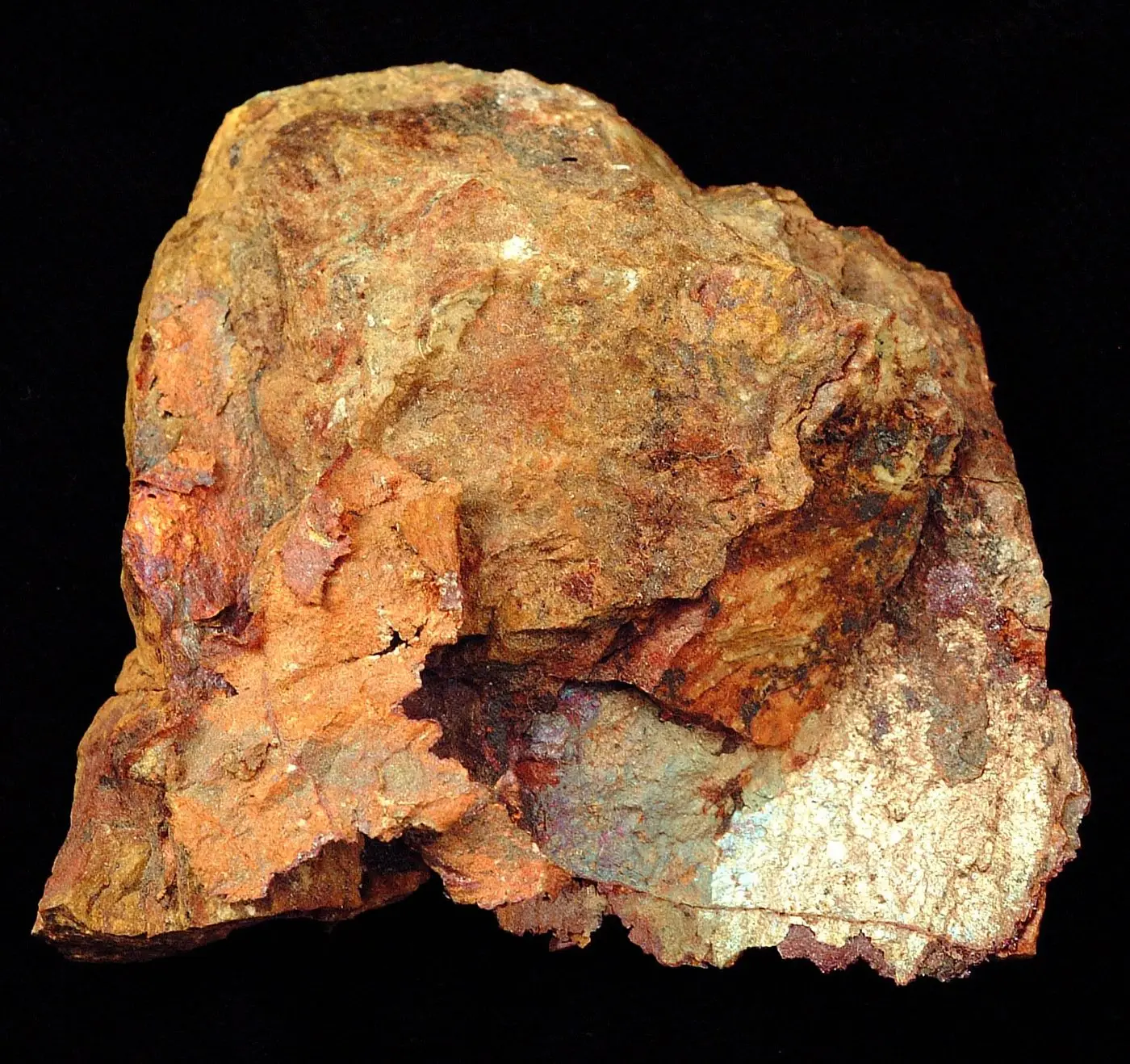
Copper is the backbone of electrification: power grids, EV motors and wiring, renewables and data centres. The DRC is now the world's #2 mine producer after Chile, and Zambia is Africa's #2; together they form the Central African Copperbelt, one of the world's highest-grade copper provinces. Africa exports copper at every stage, from concentrate to refined cathode.
- Supply
- Spot + Contract
- Assay
- Independent — required
- Origin
- Verified per offer
 #03
#03Rare earths
Rare Earths — Light (NdPr) Nd, Pr
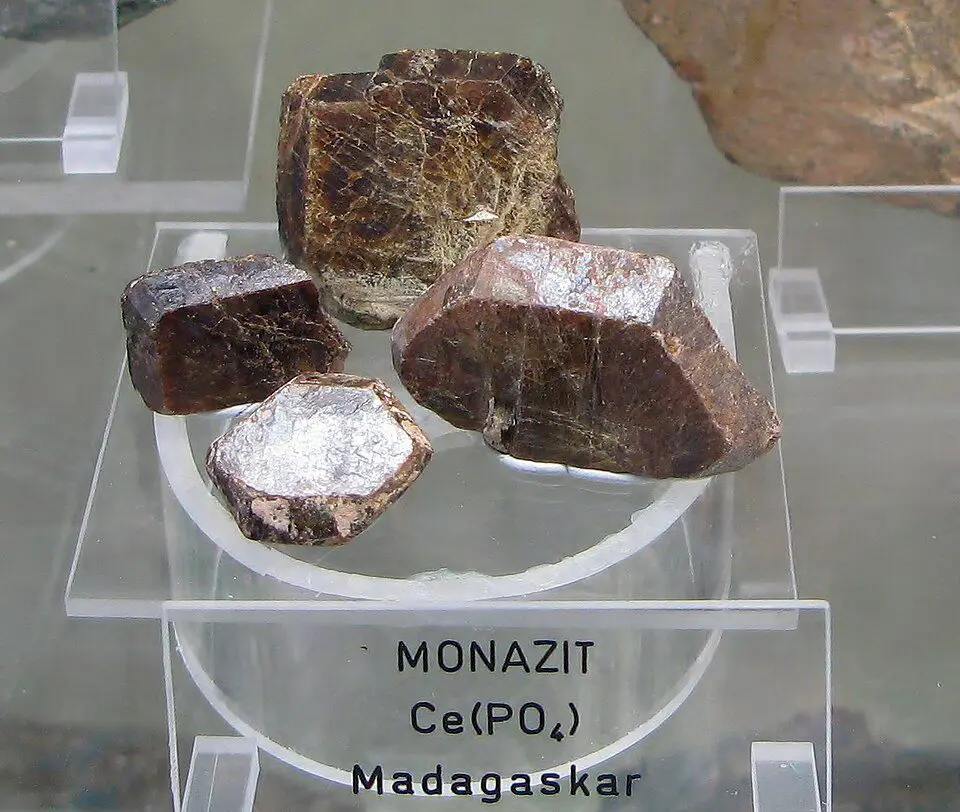
The light rare earths neodymium (Nd) and praseodymium (Pr), traded together as 'NdPr', are the key ingredients of NdFeB permanent magnets used in EV motors, wind turbines, robotics, drones and defence systems. China controls about 60–70% of mining and around 90% of separation and magnet making, and has used export controls since 2023–25. Africa has a strong pipeline of carbonatite and monazite deposits, mostly in construction or development in 2026. Early African output will be concentrate or mixed carbonate, not separated oxide.
- Supply
- Pre-production pipeline
- Assay
- Independent — required
- Origin
- Verified per offer
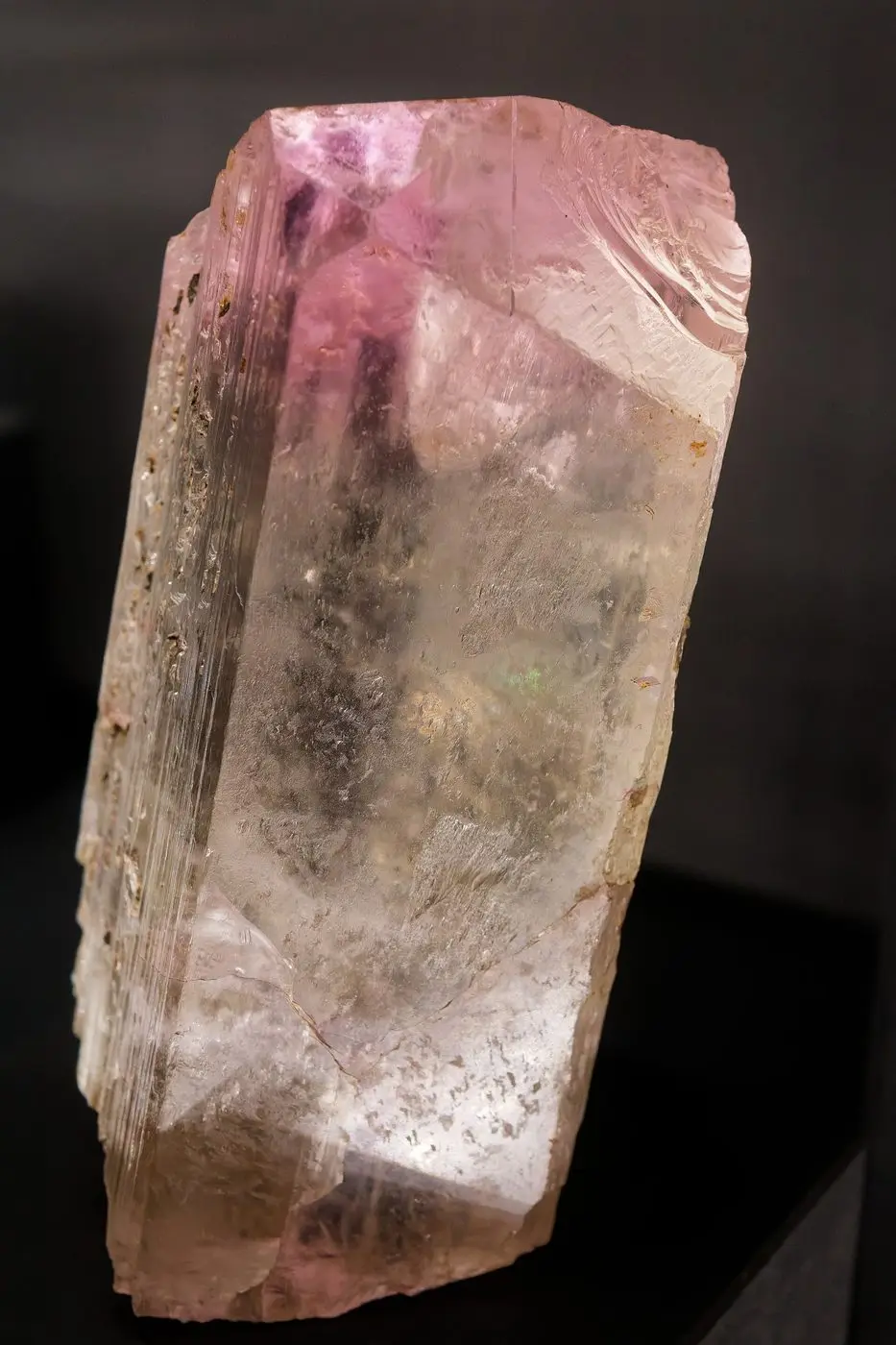 #04
#04Battery minerals
Lithium Li
Lithium is the defining battery metal. Africa went from almost nothing to one of the fastest-growing supply regions in 2023–25, led by Zimbabwe (Africa's #1, top-5 globally), then Mali (Goulamina, Bougouni), Nigeria and Namibia. African lithium is hard-rock (spodumene, petalite, lepidolite pegmatites), sold as mineral concentrate. Governments now force local processing: raw ore export bans are in place, and Zimbabwe is moving to ban concentrate in favour of lithium sulphate.
- Supply
- Contract / Pre-production (export-restricted in Zimbabwe, Namibia)
- Assay
- Independent — required
- Origin
- Verified per offer
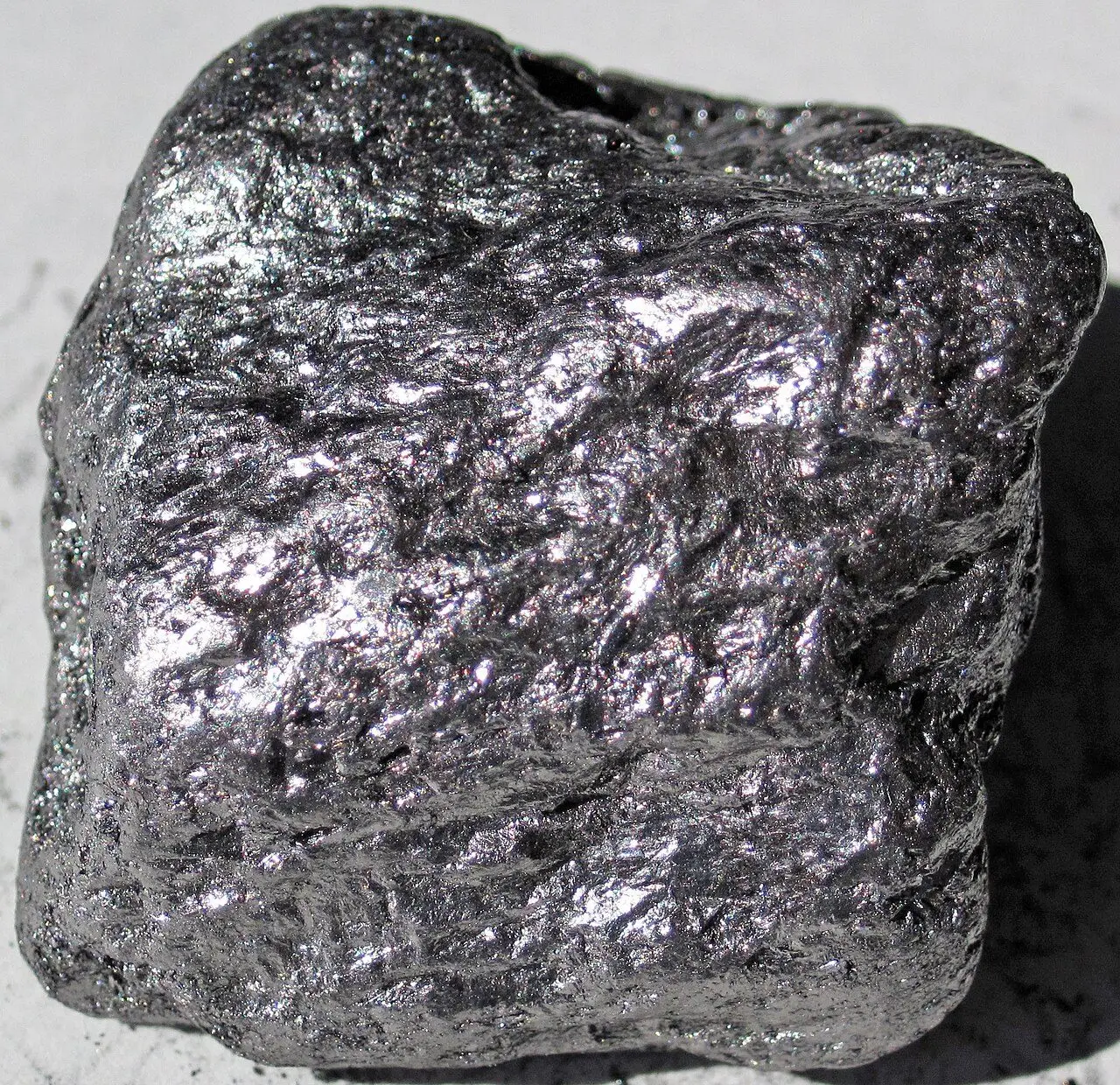 #05
#05Battery minerals
Graphite C
Natural flake graphite is the main raw material for battery anodes (as spherical graphite) and for refractories. China controls most mining and more than 90% of anode processing and has tightened graphite export controls since December 2023. That makes African flake strategically valuable. Mozambique (Balama, the world's largest flake mine), Madagascar and Tanzania are the key sources.
- Supply
- Contract + Pre-production
- Assay
- Independent — required
- Origin
- Verified per offer
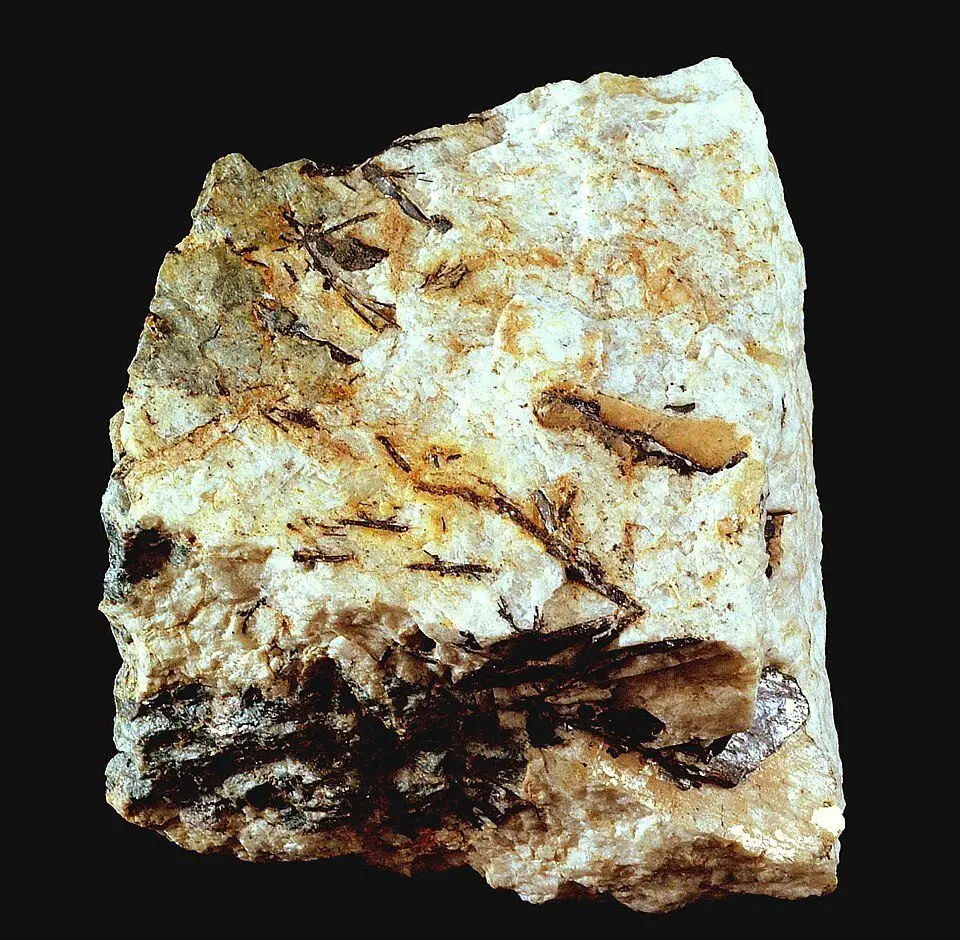 #06
#063TG conflict minerals
Tantalum (Coltan) Ta
Tantalum is used for capacitors in phones, laptops and cars, and in aerospace superalloys, medical implants and sputtering targets. Its ore, coltan (columbite-tantalite), comes mainly from the African Great Lakes region: the DRC and Rwanda together supply about 60% of the world's mined tantalum, much of it artisanal. Tantalum is one of the four 'conflict minerals' (3TG), and eastern DRC conflict (M23's control of Rubaya since 2024) makes due diligence decisive.
- Supply
- Contract — verified 3TG supply only
- Assay
- Independent — required
- Origin
- Verified per offer
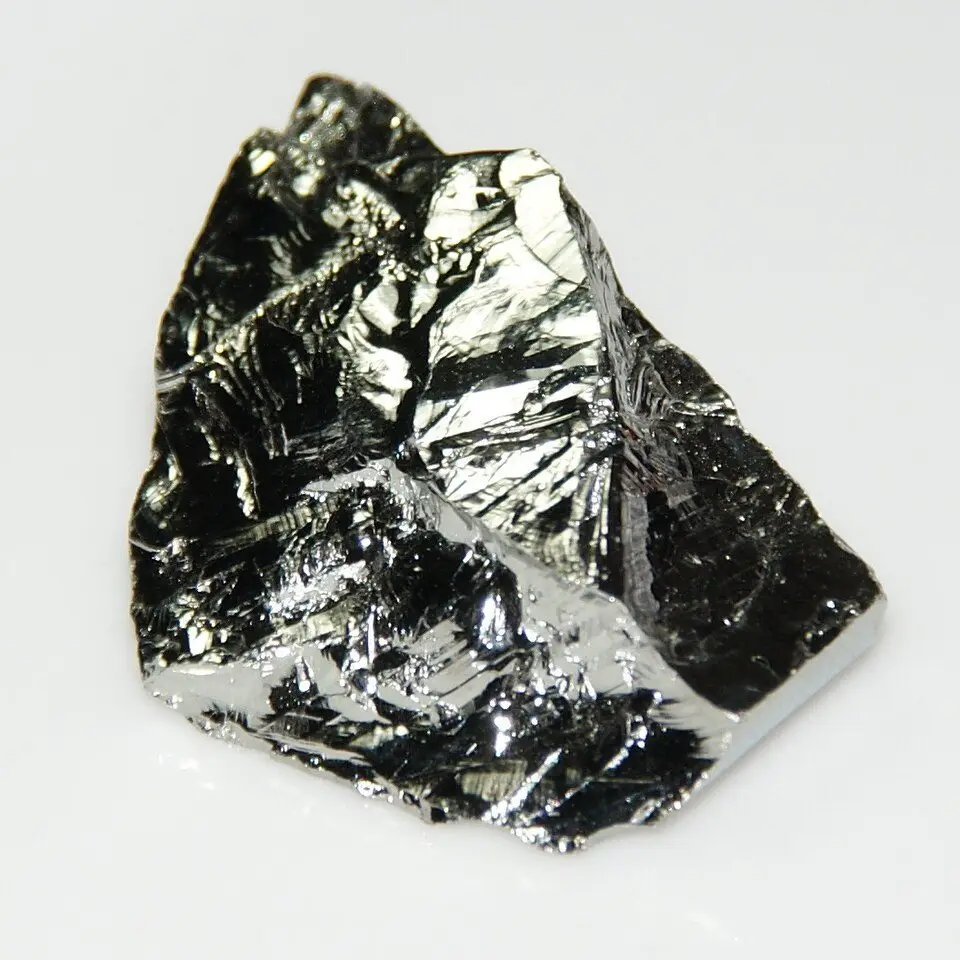 #07
#07Tech & industrial metals
Germanium Ge
Germanium is a minor metal used in fibre optics, infrared optics (night vision, thermal imaging for defence), satellite solar cells and semiconductors. China dominates supply and has restricted exports since August 2023, tightening further in 2024. The DRC's Big Hill tailings in Lubumbashi, historic slag and tailings from Gécamines' zinc-copper operations, are now one of the very few new non-Chinese sources: STL processes them and Umicore refines the concentrate in Belgium.
- Supply
- Contract (limited) + Pipeline
- Assay
- Independent — required
- Origin
- Verified per offer
 #08
#08Precious
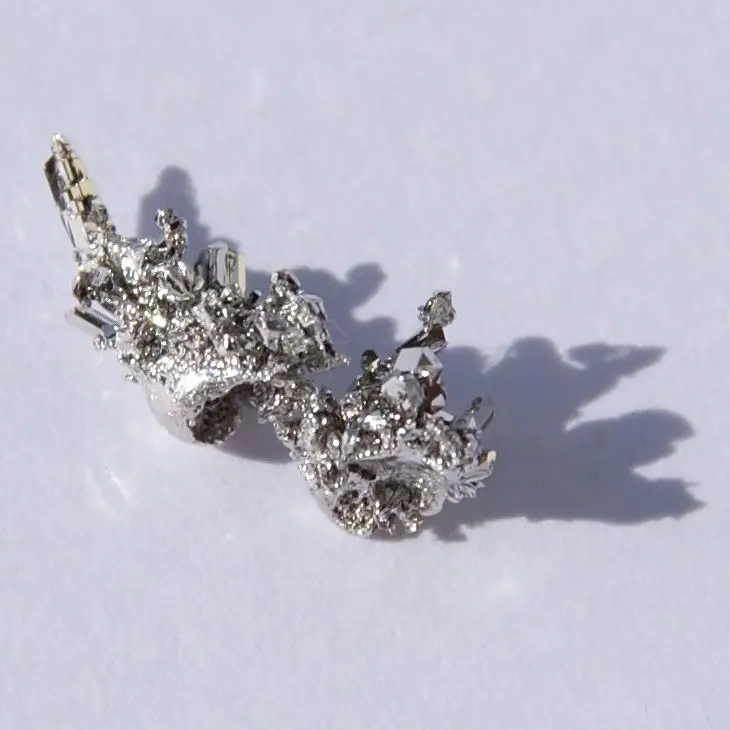
Platinum-Group Metals Pt, Pd, Rh
The platinum-group metals are platinum, palladium, rhodium, ruthenium, iridium and osmium. They are used in autocatalysts, hydrogen electrolysers and fuel cells, glass, electronics, chemicals, jewellery and investment. South Africa's Bushveld Complex holds most of the world's PGM reserves and produces about 70% of its platinum and more than 80% of its rhodium. Zimbabwe's Great Dyke is the #3 platinum source. The industry is dominated by a few integrated miners that smelt and refine in South Africa.
- Supply
- Contract (concentrate) / Spot (refined, licensed)
- Assay
- Independent — required
- Origin
- Verified per offer