Skip to content

The African Origin Project

Africa supplies the material.It captures little of the value.

This page states a position and a long-term intention. It does not describe farms, distilleries or laboratories that we own, because we own none.

14African-origin listings
9African origins stocked
9Major materials sourced from Africa
0Facilities we own

What the continent already supplies

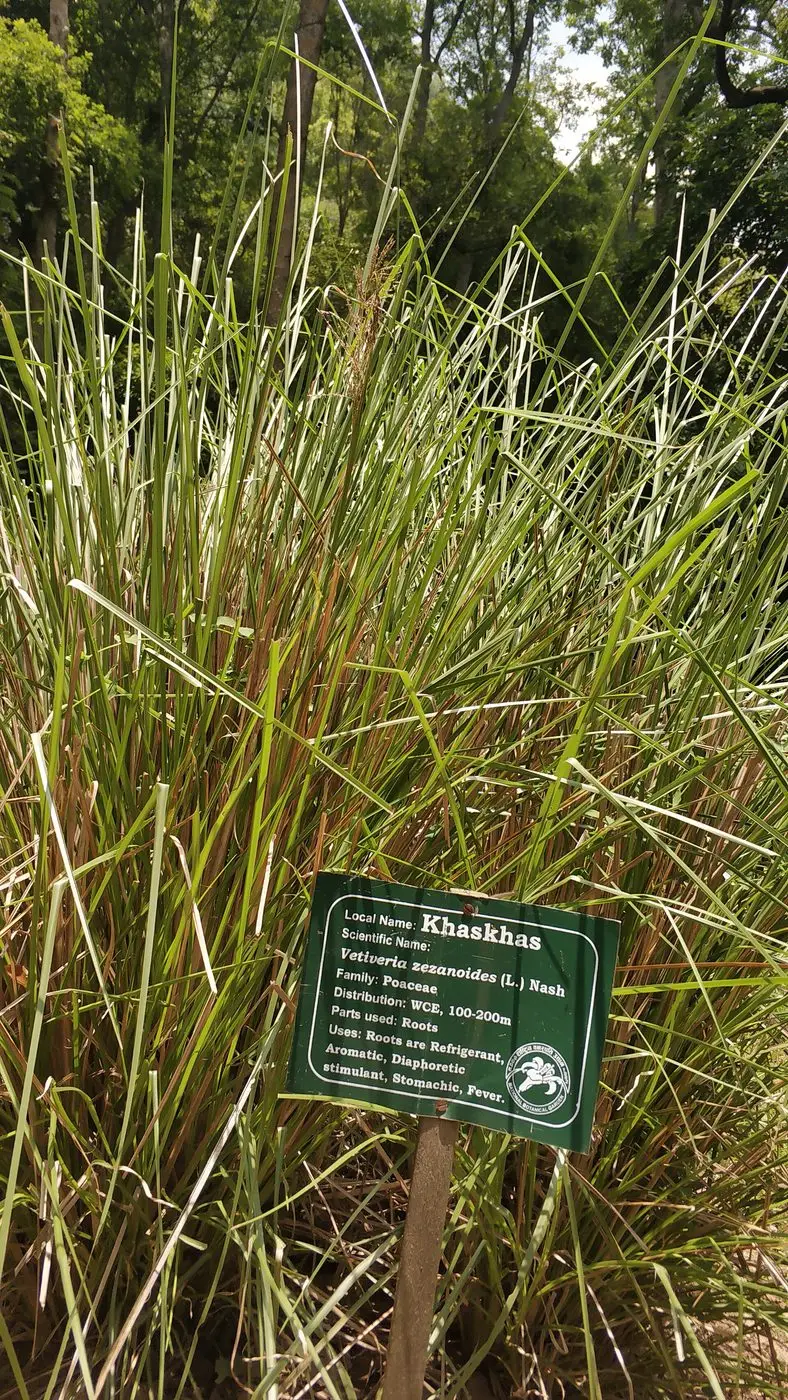
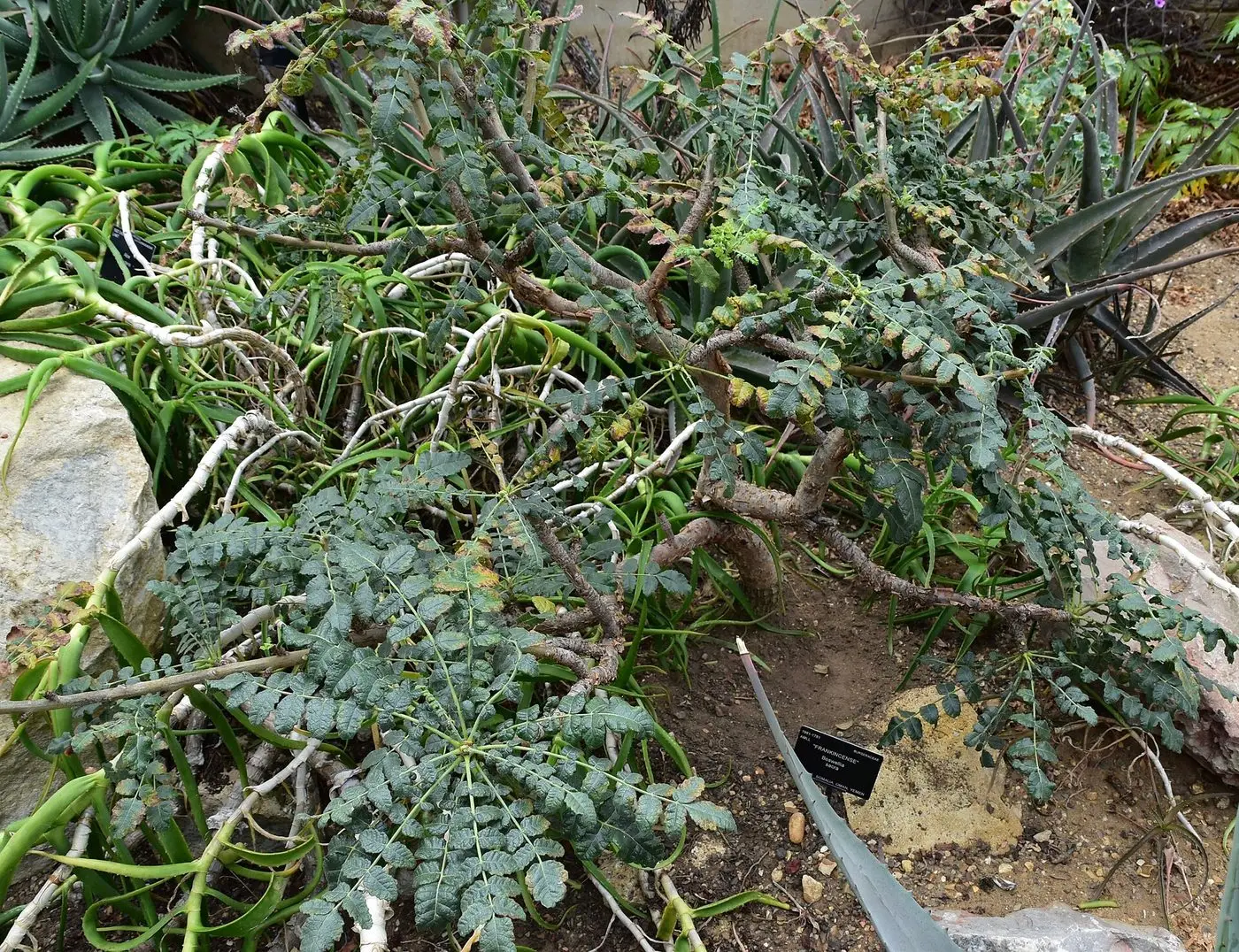
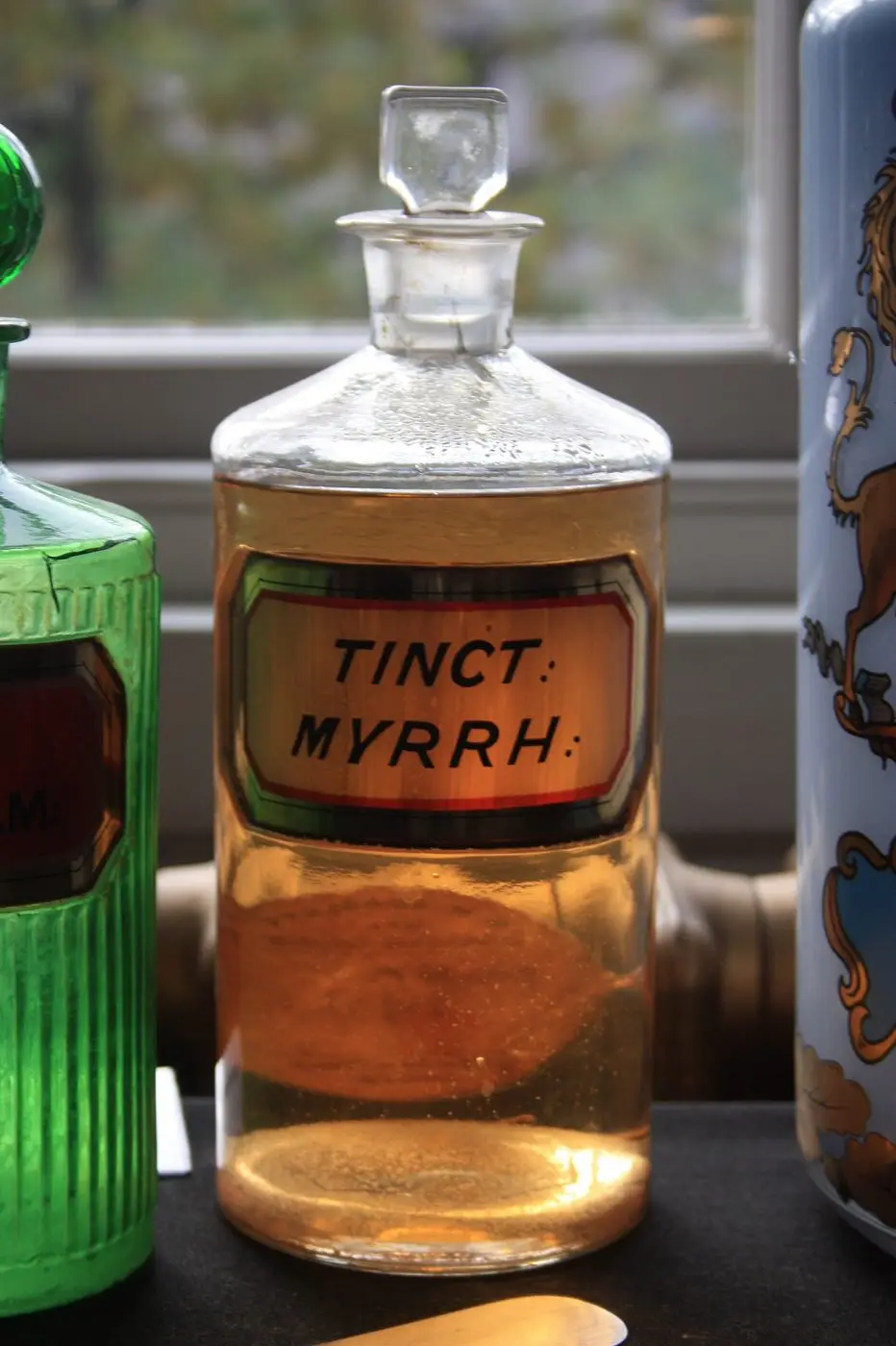
Frankincense and myrrh from Somalia and Ethiopia. Vetiver and ylang-ylang from Madagascar and the Comoros. Neroli, orange blossom and rose from Morocco. Jasmine and geranium from Egypt. Cape aromatics from South Africa. These are not marginal materials — several are foundational to modern perfumery.

In several of these chains the raw material leaves the continent with minimal processing and returns as a distilled, tested, documented, compliance-ready ingredient at many times the price.

The margin accrues where the extraction, analysis and documentation happen, not where the plant grows.

That is a structural observation rather than a moral one. Extraction requires capital equipment and reliable power. Analysis requires laboratory capacity with accreditation that importing markets recognise. Documentation requires regulatory expertise. Where those three things sit, the margin sits.
Where value can be captured at origin

  1. 01Harvest & collectionCaptured at origin today
  2. 02Primary processing & gradingPartially captured
  3. 03Extraction & distillationLargely captured off-continent
  4. 04Analytical testingLargely captured off-continent
  5. 05Documentation & complianceLargely captured off-continent
  6. 06Distribution to industryCaptured off-continent

Illustrative summary of where processing value typically accrues in these supply chains. Not a measurement of any specific chain.

What we are not claiming

  • We do not own farms, distilleries, laboratories or warehouses.
  • We have no certifications of our own, and claim none.
  • We do not describe our sourcing as ethical or sustainable in the abstract. Those words mean nothing without evidence attached to a specific lot.
  • We do not present a supply relationship as established when it is prospective.
  • We do not publish producer photographs or origin imagery that would imply operations we do not run.

What we are working toward

  • Processing closer to harvest, which also reduces shipped volume and degradation in transit.
  • Analytical capability at or near origin rather than testing only after import.
  • Documentation prepared to importing-market standards at source.
  • Batch-level identity that survives to the buyer, which is what allows a premium to be charged and defended.
  • Fewer intermediate traders between producer and end user.
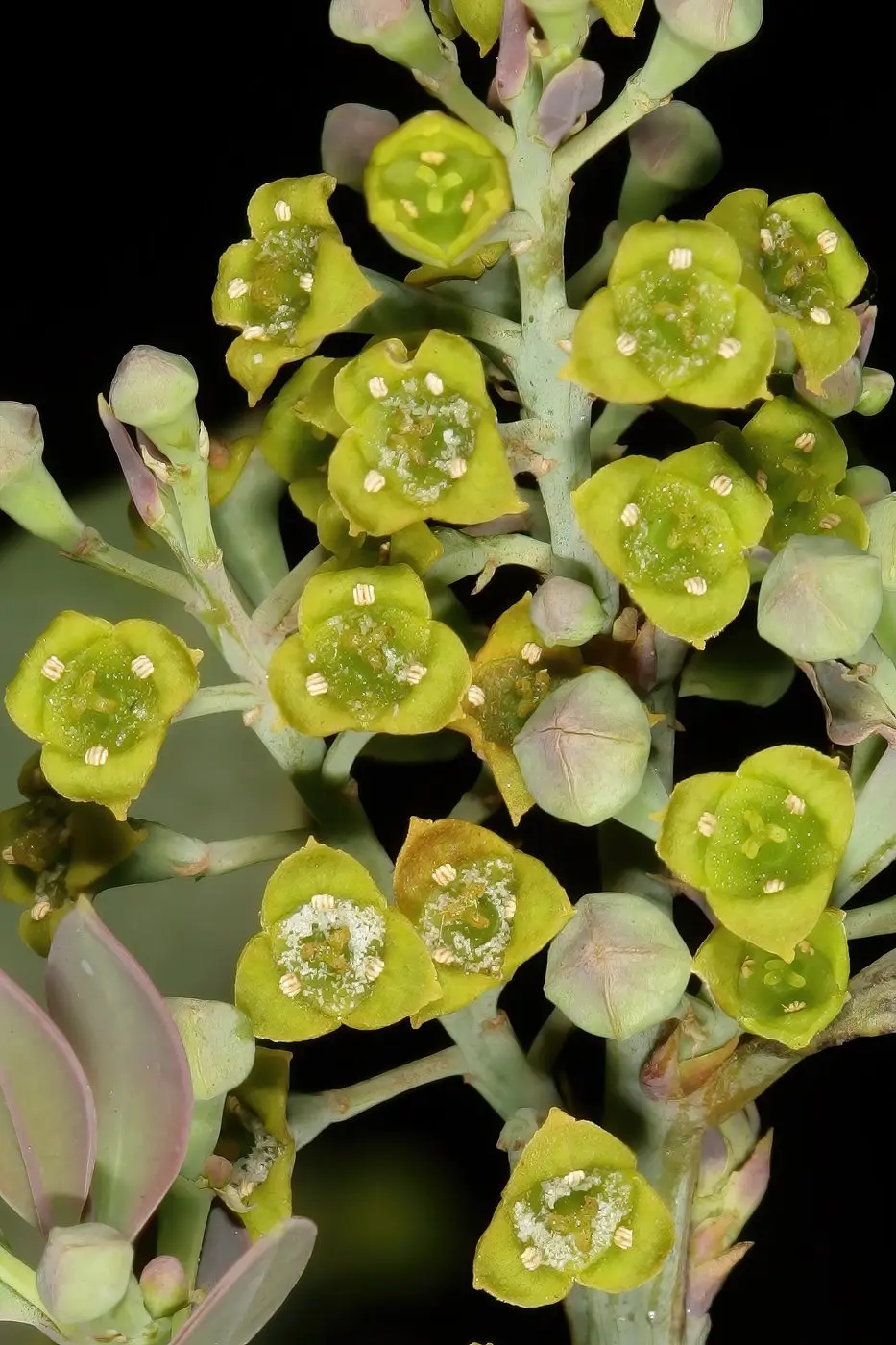
Several of the most valuable indigenous African aromatic species are under conservation pressure or subject to export restriction. Osyris lanceolata — traded as African sandalwood — is CITES Appendix II listed with additional national export controls. We list it in our catalogue for reference and do not offer it, because we will not source it without verified legal harvesting and full permit documentation.

African origins

Currently stocked

Origin is attached to the lot rather than asserted as a brand story, so this list is built from origin records — not from a marketing tag.