Skip to content

Africa

South Africa

Cape floral-kingdom aromatics including buchu and Cape chamomile.

1Listings
1Lots held
0Origin verified

The Cape Floral Kingdom is the smallest and most species-dense of the world's floral kingdoms, and a source of aromatic species with no close analogue elsewhere. Several are subject to biodiversity and benefit-sharing legislation that materially affects how they may be traded.

Materials from South Africa1

Buyer’s guide

Sourcing aromatics from South Africa

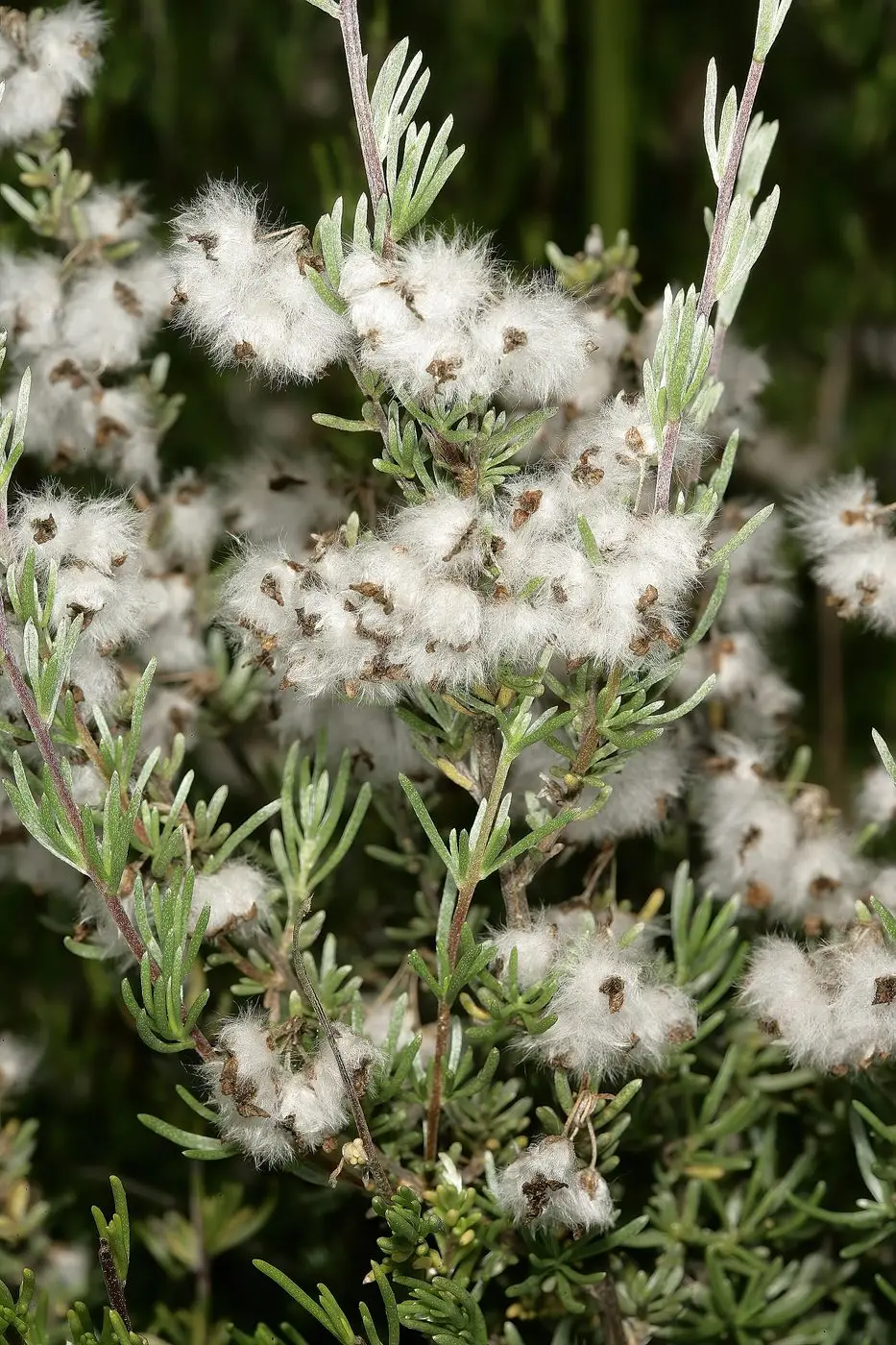
South Africa's Cape Floristic Region is one of the most plant-diverse places on earth, and it supplies a number of distinctive aromatic materials. Cape chamomile (Eriocephalus punctulatus), buchu (Agathosma species) and rose geranium — whose wild ancestor Pelargonium graveolens is native to the region — are among the best known.

Several of these plants are wild-harvested or grown on a small scale. Buchu harvesting in the Western Cape is controlled through permits, and cultivated buchu now supplies much of the trade. Cape chamomile oil, with its fruity, apple-like profile, is produced in limited volumes and differs from Roman or German chamomile.

Buyers should check species, whether material is wild-harvested or cultivated, and any harvest permits. GC-MS for each lot and a clear account of the producer are the core documentation.
Common questions

Which aromatics come from South Africa?
Cape chamomile, buchu and geranium are among the best known, along with other Cape fynbos botanicals.
Is Cape chamomile the same as Roman chamomile?
No. Cape chamomile comes from Eriocephalus punctulatus, a different plant with its own fruity, apple-like profile.
Is buchu regulated?
Yes. Wild buchu harvesting in the Western Cape requires permits, and cultivated buchu is increasingly used to reduce pressure on wild populations.
A material is only shown under an origin where that origin is attached to its record. We do not infer origin from a trade name, and we do not list a country because it sounds right for the material.