Balama
Operator: Syrah Resources
World's largest flake graphite mine (~350 ktpa nameplate).
- Production
- Timeline not confirmed
- Export route
- Beira and Nacala
- Documentation
- Public sources
Demonstration dataListings, lots and offers shown are samplesAbout sample data

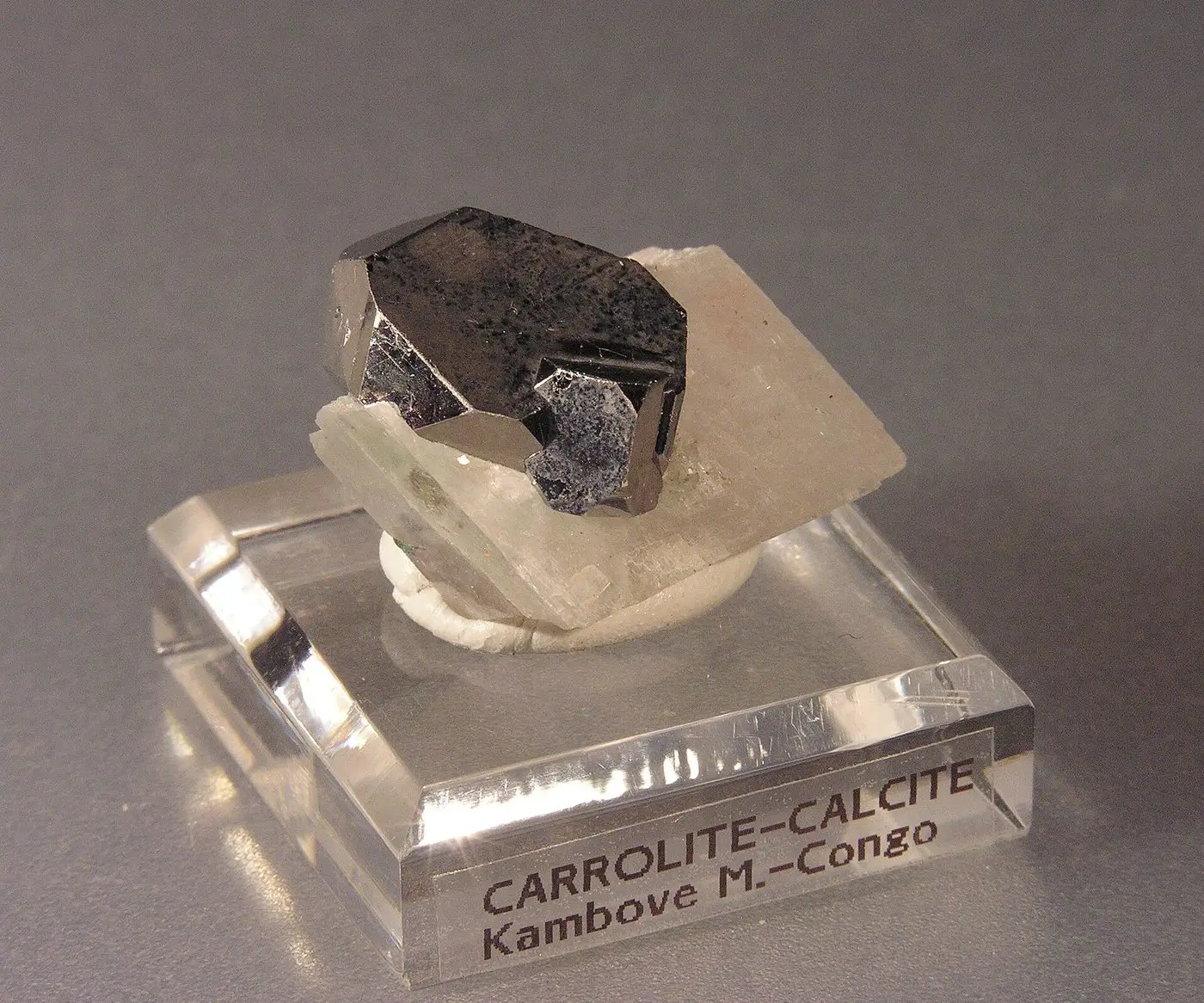
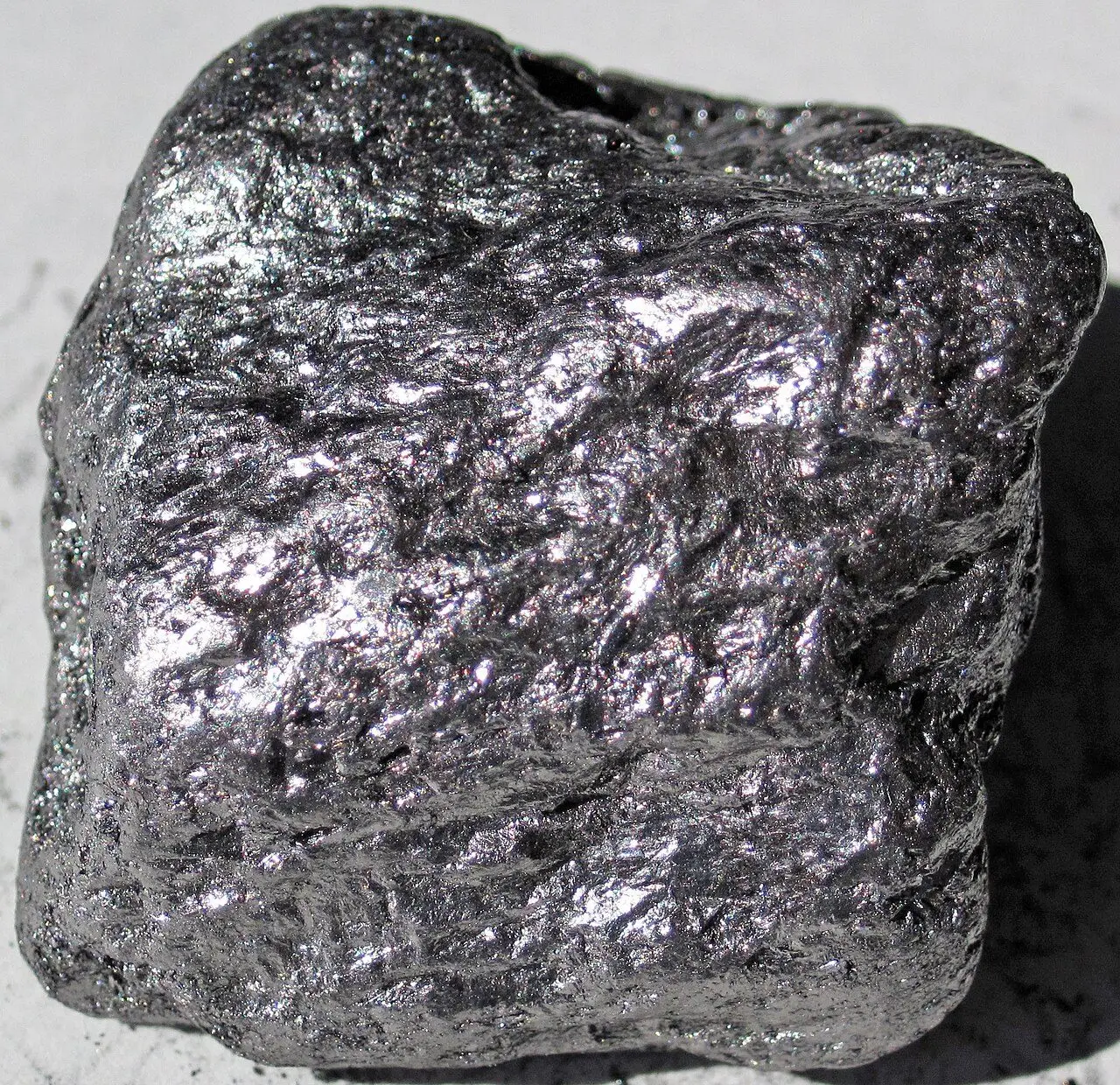
Reference specimen · James St. John, CC BY 2.0
Battery minerals
Top-10 #5Sample dataNatural flake graphite is the main raw material for battery anodes (as spherical graphite) and for refractories. China controls most mining and more than 90% of anode processing and has tightened graphite export controls since December 2023. That makes African flake strategically valuable. Mozambique (Balama, the world's largest flake mine), Madagascar and Tanzania are the key sources.
Verified companies only
Volumes, origins and terms are shown to verified companies. Availability for everyone else: Contract + Pre-production. Verify your company or submit a request.
Natural flake graphite concentrate
Unit: t · HS 2504.10
sold by flake size (mesh) and fixed carbon (FC): jumbo/large flake +32/+50/+80 mesh (premium; expandable graphite, refractories), fine flake −100 mesh (battery feed); FC typically 94–97%
Spherical graphite (SPG)
Unit: t · HS 2504.90
purified (99.95% C) and rounded fine flake for anodes; made mostly in China, planned in the US (Vidalia, fed by Balama) and elsewhere
Amorphous graphite (lower value)
Unit: t · HS 3801.10
not significant in East Africa
ARAM sourcing assessment
Strong, especially large-flake for refractories/expandables and fine flake for Western anode projects. Several juniors seek offtakers. Listing status: Contract + Pre-production.
Mozambique
Balama (Syrah — 350 ktpa nameplate, the world's largest), Ancuabe (Triton / Tirupati), Montepuez
Madagascar
Molo (NextSource), Tirupati and Etablissements Gallois (Vatomandry region) — Madagascar reported world #2 in 2024
Tanzania
Mahenge / Epanko (EcoGraf), Lindi Jumbo, Bunyu (Volt), Nachu (Magnis) — development
Namibia
Aukam; Uganda: Orom-Cross
USGS Mineral Commodity Summaries 2026 — African rows of the world production & reserves table
World Mine Production and Reserves: Significant revisions were made to the 2024 production for Austria, Brazil, Madagascar 85,000 80,000 27,000,000 Mozambique 39,000 60,000 25,000,000 Tanzania e27,000 75,000 18,000,000 World total (rounded) 1,550,000 1,800,000 310,000,000
| Year | Country | HS | Value | Net weight |
|---|---|---|---|---|
| 2024 | Madagascar | 250410 | $35.8m | 83.0 kt |
| 2023 | Mozambique | 250410 | $32.8m | 100.5 kt |
| 2023 | Madagascar | 250410 | $28.2m | 60.0 kt |
| 2024 | Tanzania | 250490 | $14.7m | 33.7 kt |
| 2024 | Mozambique | 250410 | $12.1m | 35.3 kt |
| 2023 | Tanzania | 250490 | $5.2m | 12.9 kt |
| 2024 | Tanzania | 250410 | $3.2m | 5.3 kt |
| 2023 | Mozambique | 250490 | $715k | 922 t |
| 2023 | Tanzania | 250410 | $120k | 277 t |
Mirror data fills gaps where exporters report late or incompletely.
| Year | Buyer | Origin | HS | Value | Net weight |
|---|---|---|---|---|---|
| 2023 | China | Mozambique | 250410 | $31.8m | 55.1 kt |
| 2024 | India | Madagascar | 250410 | $18.1m | 26.4 kt |
| 2023 | USA | Mozambique | 250410 | $16.7m | 18.9 kt |
| 2023 | China | Madagascar | 250410 | $16.6m | 24.9 kt |
| 2024 | China | Tanzania | 250490 | $11.0m | 20.6 kt |
| 2023 | India | Madagascar | 250410 | $10.8m | 13.4 kt |
| 2023 | Germany | Mozambique | 250410 | $10.3m | 12.2 kt |
| 2024 | Germany | Madagascar | 250410 | $9.7m | 13.4 kt |
| 2024 | USA | Madagascar | 250410 | $8.6m | 8.4 kt |
| 2024 | China | Madagascar | 250410 | $8.3m | 11.9 kt |
| 2024 | India | Mozambique | 250410 | $8.2m | 18.6 kt |
| 2023 | Germany | Madagascar | 250410 | $6.5m | 8.9 kt |
Source: UN Comtrade (public data). Values in US$.
Minerals trade on formula prices: a published benchmark × metal content × payable percentage, less treatment charges and impurity penalties, settled on independent assay. Payment is typically by documentary letter of credit, with 90–95% provisional payment against shipping documents and the balance on final assay.
Request terms for GraphiteMozambique
No special restriction
reported 2026 law restricting export of unprocessed/semi-processed minerals — verify impact on graphite concentrate
Reported — verify before relying on itSource
Tanzania
No special restriction
local-content and beneficiation rules; state free-carried interest
Primary source
Cross-border
No special restriction
China's export controls (on SPG and high-purity graphite) raise demand for ex-China supply
Primary source
Operator: Syrah Resources
World's largest flake graphite mine (~350 ktpa nameplate).
Operator: EcoGraf
Flake graphite for battery anodes.
Balama (Syrah, Mozambique): natural flake 94–98% fixed carbon, +50 to −100 mesh; ~80% of output is fine flake (−100 mesh); 23 product specs over 8 mesh sizes; nameplate ~350 ktpa, the world's largest single graphite mine.
Source 1 · syrahresources.com.auSource 2 · syrahresources.com.auSource 3 · syrahresources.com.au
Madagascar, Mozambique, Tanzania hold ~21% of global graphite reserves; Madagascar 2024 output ~89 kt (+41%), reported #2 producer; Tanzania output doubled. China controls ~60–70% of mining and >90% of processing and tightened export controls (Dec 2023, 2024). Reported (verify): Mozambique legislation in 2026 restricting export of unprocessed/semi-processed minerals.
Source 1 · fastmarkets.comSource 2 · csis.orgSource 3 · africangreenminerals.comSource 4 · discoveryalert.com.au
Research compiled September 2026 from USGS, UN Comtrade, producer and regulator publications. Facts marked “reported” come from secondary sources and should be confirmed before contracting.
On the ground · Graphite
The mines and districts that define supply, with their operators. They are shown for geographic context: third-party operations, not ARAM sites, and not the source of any particular lot. Ownership and status as publicly reported in 2026.
Producing mineMozambique
Operated by Syrah Resources
The world's largest single flake-graphite mine, in Cabo Delgado; supplies anode-material makers including Syrah's Vidalia plant in the US.
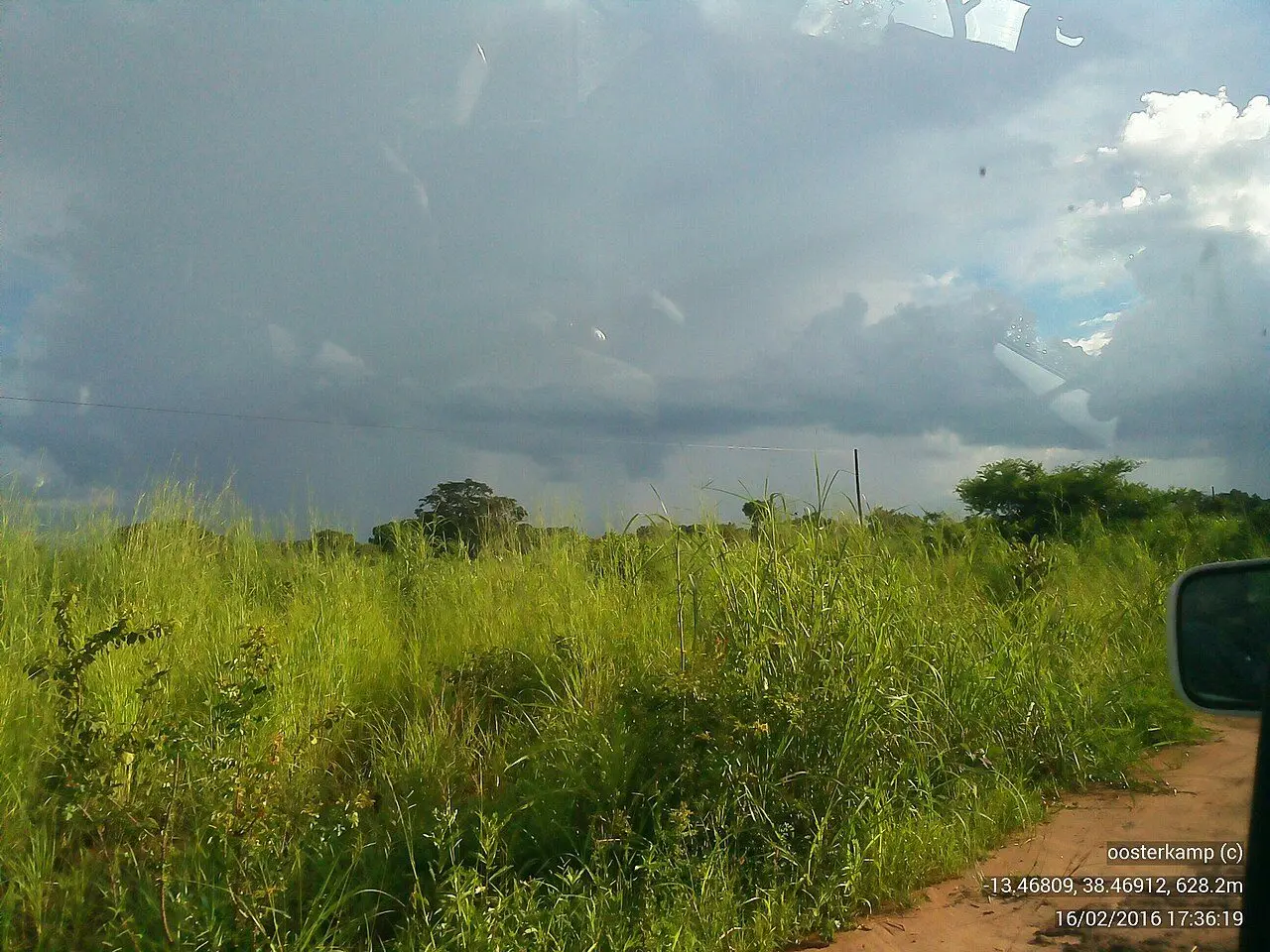
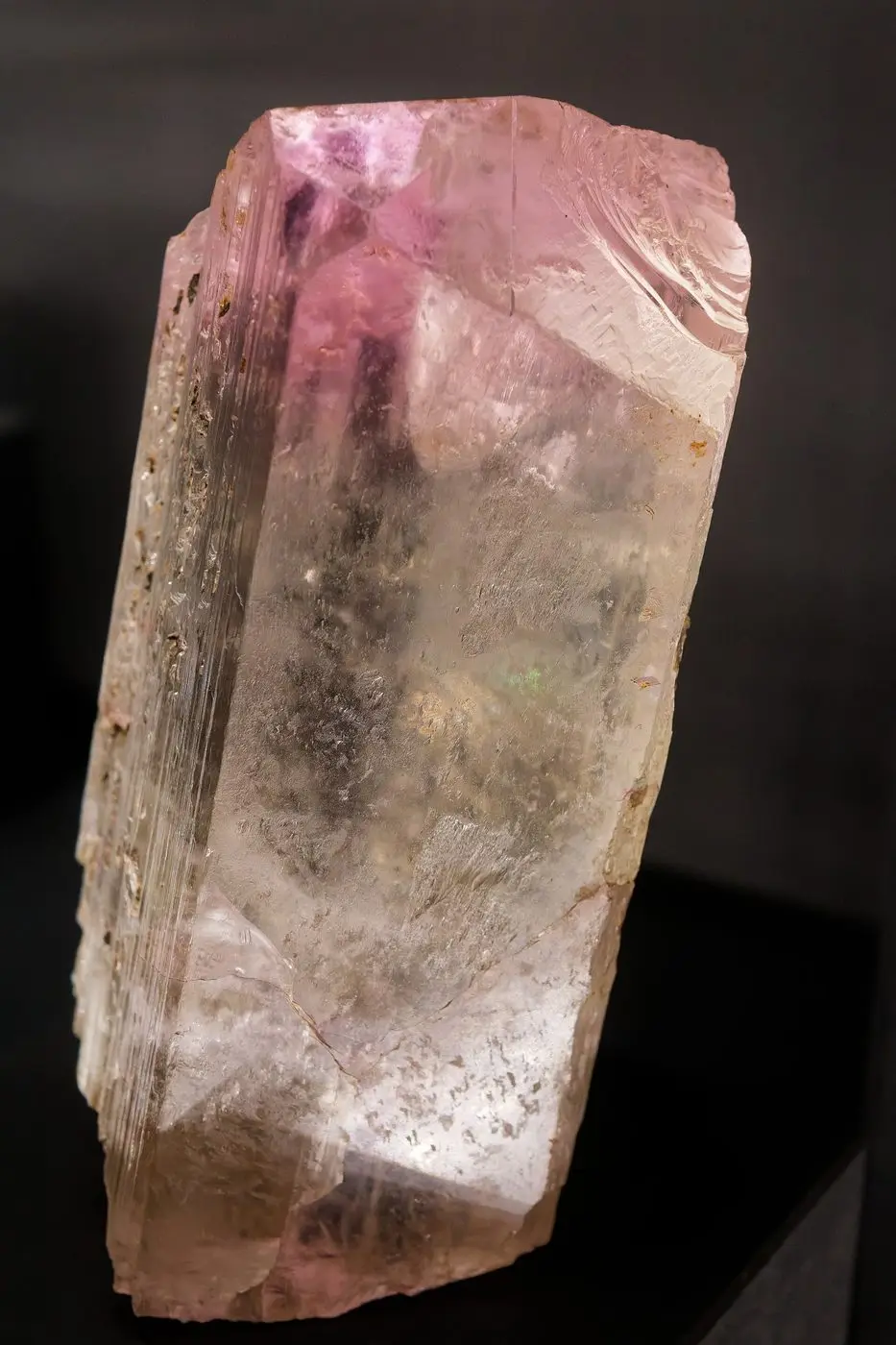
Photo: Hugo Oosterkamp · CC BY-SA 3.0James St. John, CC BY 2.0
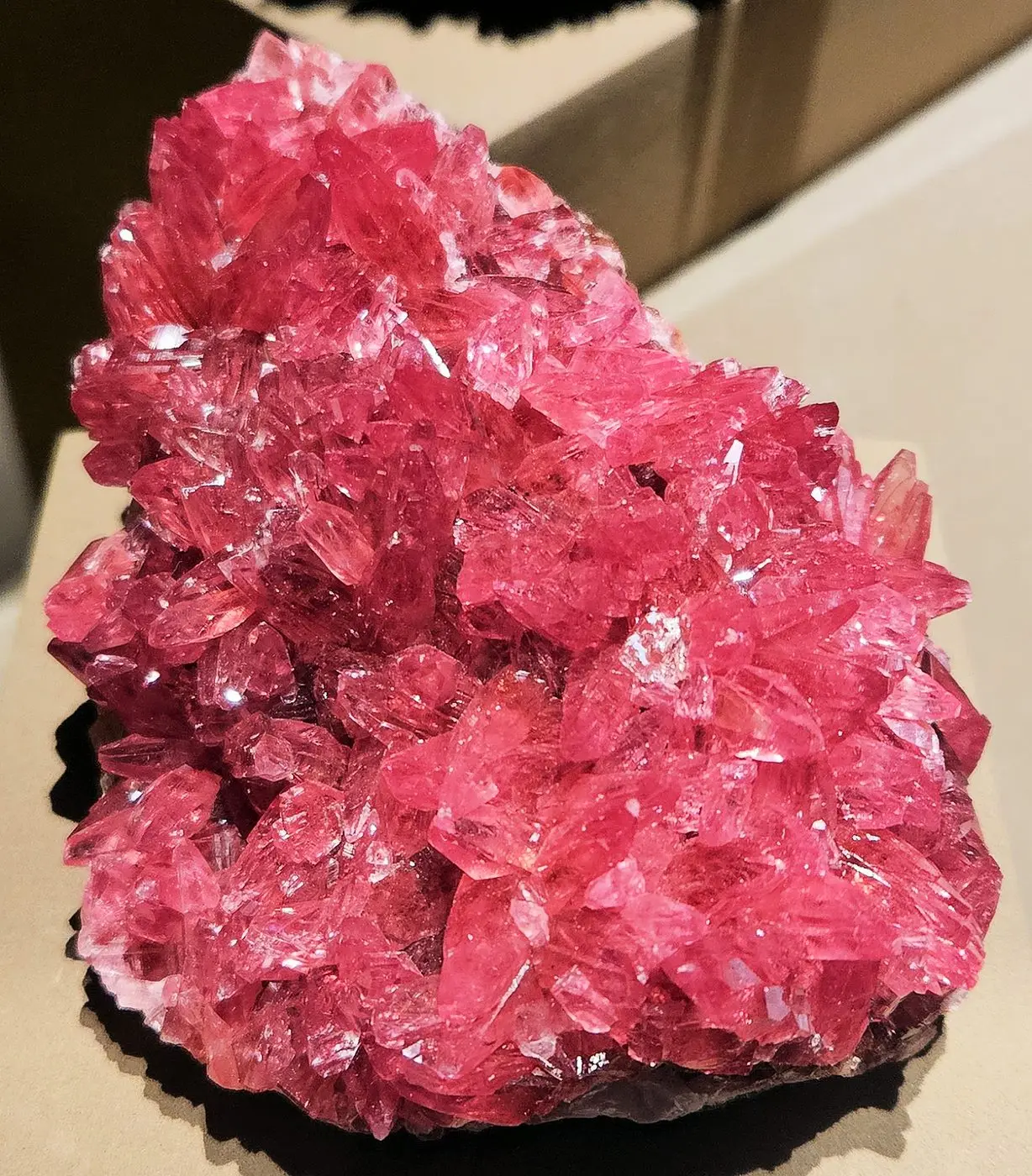
Kritzolina, CC BY-SA 4.0
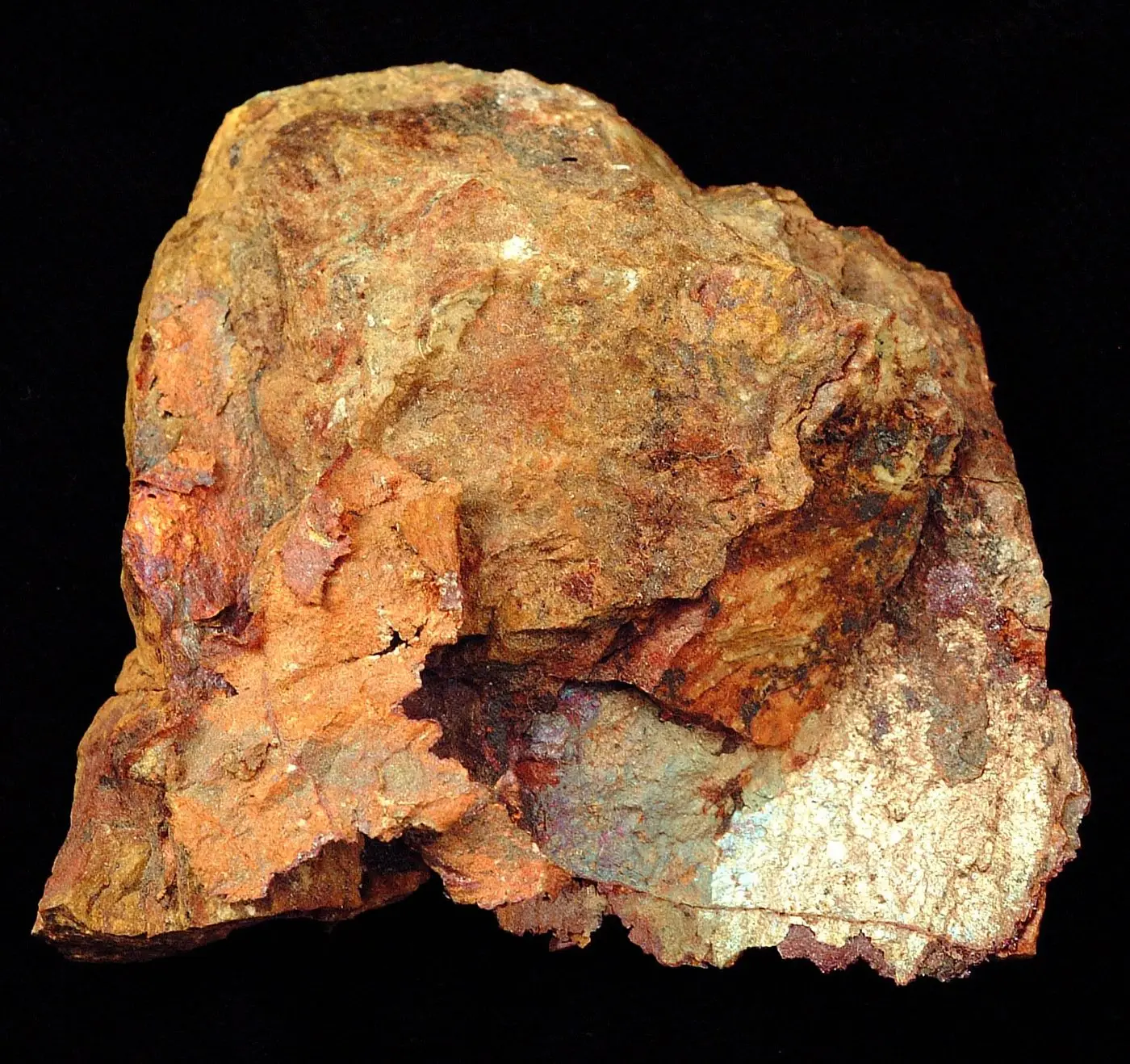
2x910, CC BY-SA 4.0
Robert M. Lavinsky, CC BY-SA 3.0
Reference specimens of the ore minerals and products, from public collections. They illustrate the material, not a specific ARAM lot or source.
#04Battery minerals
Lithium is the defining battery metal. Africa went from almost nothing to one of the fastest-growing supply regions in 2023–25, led by Zimbabwe (Africa's #1, top-5 globally), then Mali (Goulamina, Bougouni), Nigeria and Namibia. African lithium is hard-rock (spodumene, petalite, lepidolite pegmatites), sold as mineral concentrate. Governments now force local processing: raw ore export bans are in place, and Zimbabwe is moving to ban concentrate in favour of lithium sulphate.
#09Battery minerals
Manganese is essential to all steelmaking (as ferromanganese and silicomanganese alloys) and is a growing battery input as high-purity manganese sulphate (HPMSM) for NMC and LMFP cathodes. South Africa holds the Kalahari Manganese Field, about 70–80% of the world's economic manganese resources, and is the world's largest producer. Gabon (Moanda) supplies the highest-grade ore.
#02Battery minerals
Copper is the backbone of electrification: power grids, EV motors and wiring, renewables and data centres. The DRC is now the world's #2 mine producer after Chile, and Zambia is Africa's #2; together they form the Central African Copperbelt, one of the world's highest-grade copper provinces. Africa exports copper at every stage, from concentrate to refined cathode.
#01Battery minerals
Cobalt is a battery and superalloy metal, and the DRC supplies roughly 70–75% of the world's mined cobalt, almost all as a by-product of copper mining. Most DRC output leaves as cobalt hydroxide, an intermediate that is refined (mostly in China) into sulphate for batteries or metal for alloys. Since 2025 the DRC has controlled exports through the ARECOMS quota system, turning a surplus market into a managed one.