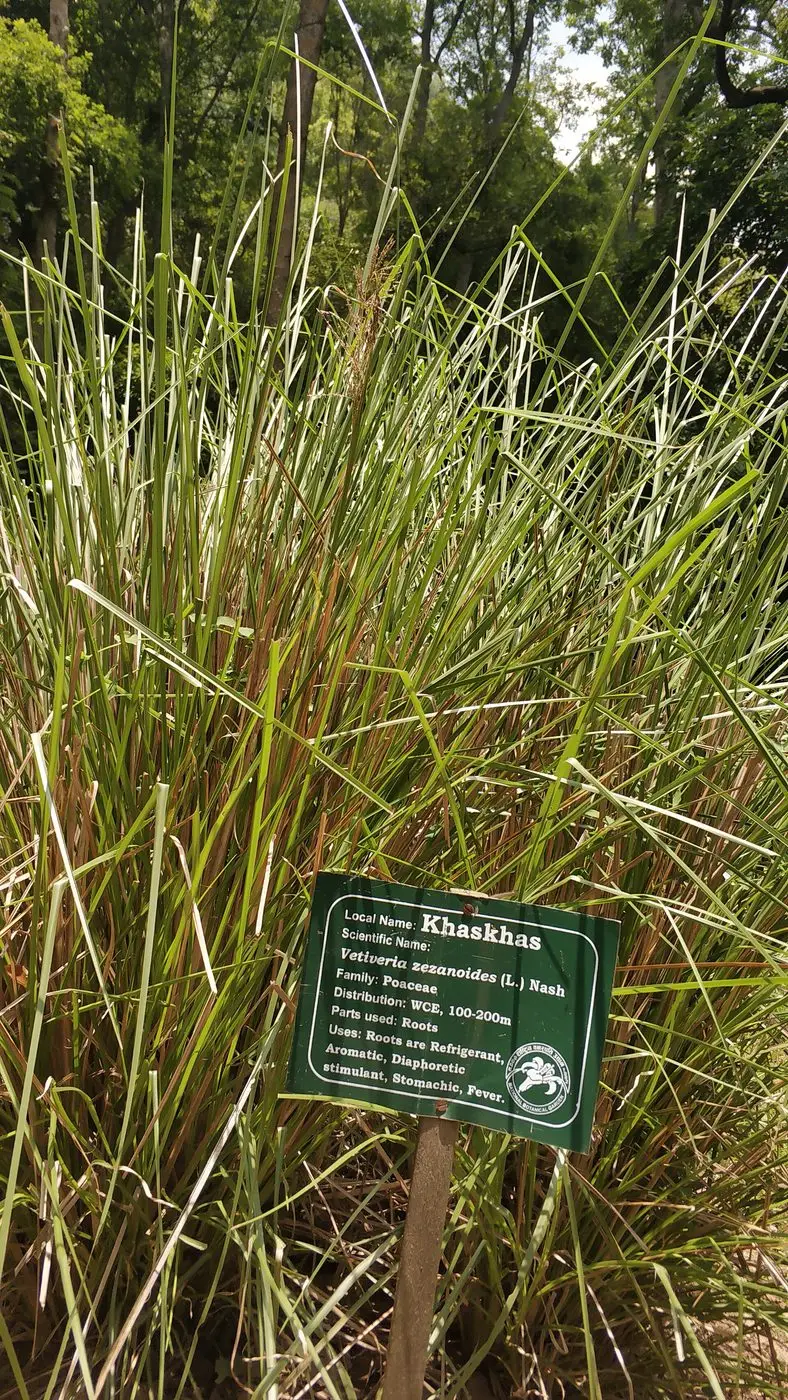
Vetiver oil is steam-distilled from the roots of Chrysopogon zizanioides, a tall tropical grass grown for erosion control as much as for perfumery. The roots are dug, washed, dried and distilled for many hours — often a day or more — because the valuable sesquiterpene alcohols come over slowly. Haiti is the largest producer; Java (Indonesia), India, Madagascar and Réunion are other recognised origins.
Origin shapes the oil. Haitian vetiver is clean, woody and slightly grapefruit-like; Javanese is darker and smokier; Indian khus, often from wild-type roots, is earthy and green. The key constituents are khusimol, vetiselinenol and the vetivones (α- and β-vetivone), and their balance on a GC-MS report is the best guide to quality and origin.
Vetiver oil improves with age and is widely used as a base note in woody, chypre and masculine fragrances. Because it is costly to produce, it is sometimes extended with cheaper oils, so a lot-specific chromatogram matters.