Skip to content

Africa

Madagascar

Vetiver, ylang-ylang and a broad range of endemic aromatic species, with smallholder-led cultivation.

2Listings
3Lots held
3Origin verified

Madagascar's aromatic sector spans vetiver root, ylang-ylang, clove and a number of species found nowhere else. Much of the supply originates with smallholders, which makes traceability both more difficult and more valuable: knowing which co-operative and which season a lot came from is a genuine quality signal, not a marketing line.

Materials from Madagascar2

Buyer’s guide

Sourcing aromatics from Madagascar

Madagascar is one of the richest aromatic origins in the world. It is the leading producer of vanilla, and a major source of ylang-ylang (from the island of Nosy Be), clove, vetiver, ravintsara, niaouli, cinnamon leaf and pink pepper. Many of these crops are grown by smallholders and processed in small distilleries.

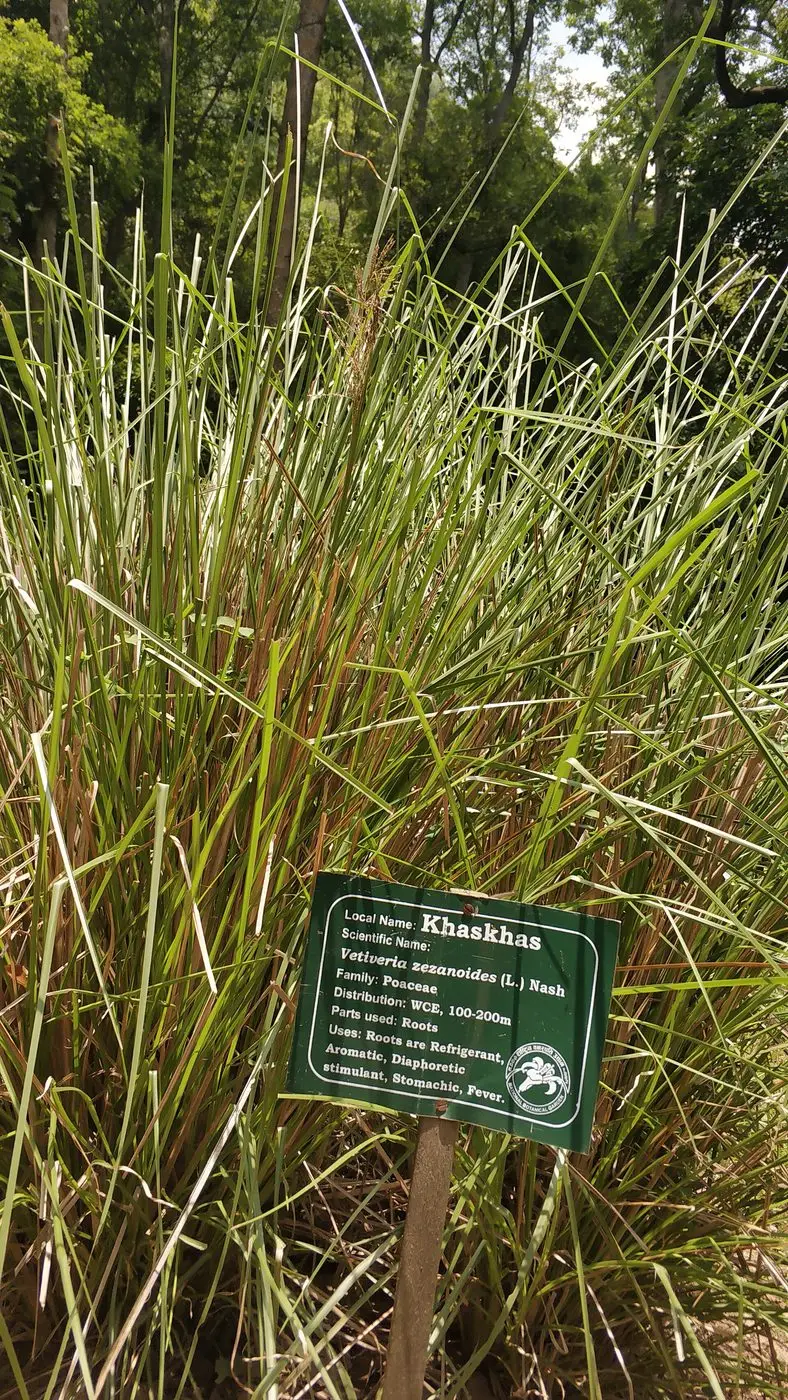
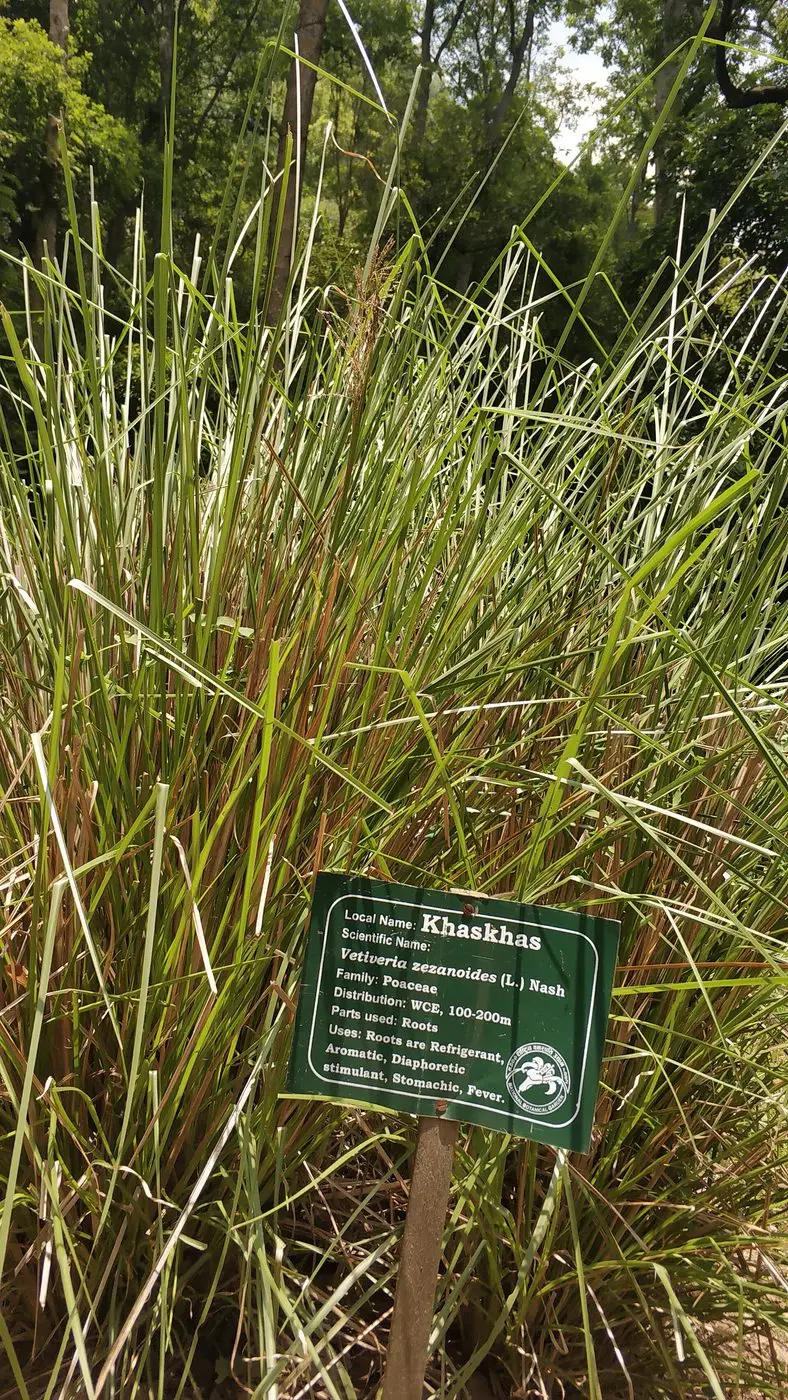
Madagascan materials are well regarded in perfumery: Nosy Be ylang-ylang is a classic reference, Madagascan vetiver sits between the Haitian and Javanese styles, and ravintsara (Cinnamomum camphora, 1,8-cineole type) is largely a Madagascan speciality. Quality varies widely with grower, harvest and still, so lot-level documentation is essential.

Supply chains can be long and fragmented, and cyclones and price swings affect harvests. Buyers should ask for GC-MS on every lot, a clear account of the collection and distillation route, and evidence of fair terms with growers where that matters to their brand.
Common questions

Which aromatics come from Madagascar?
Vanilla, ylang-ylang, clove, vetiver, ravintsara, niaouli, cinnamon leaf and pink pepper are among the most important.
What is Nosy Be ylang-ylang?
Ylang-ylang from the island of Nosy Be, off Madagascar's north-west coast, one of the classic origins for fine ylang-ylang fractions.
What should I check when buying from Madagascar?
Lot-specific GC-MS, harvest date and the distillation and export route. Quality varies between producers, so evaluate a sample of the actual lot.
A material is only shown under an origin where that origin is attached to its record. We do not infer origin from a trade name, and we do not list a country because it sounds right for the material.