Skip to content

Africa

Egypt

Jasmine grandiflorum, geranium and a long-established solvent-extraction sector.

1Listings
0Lots held
0Origin verified

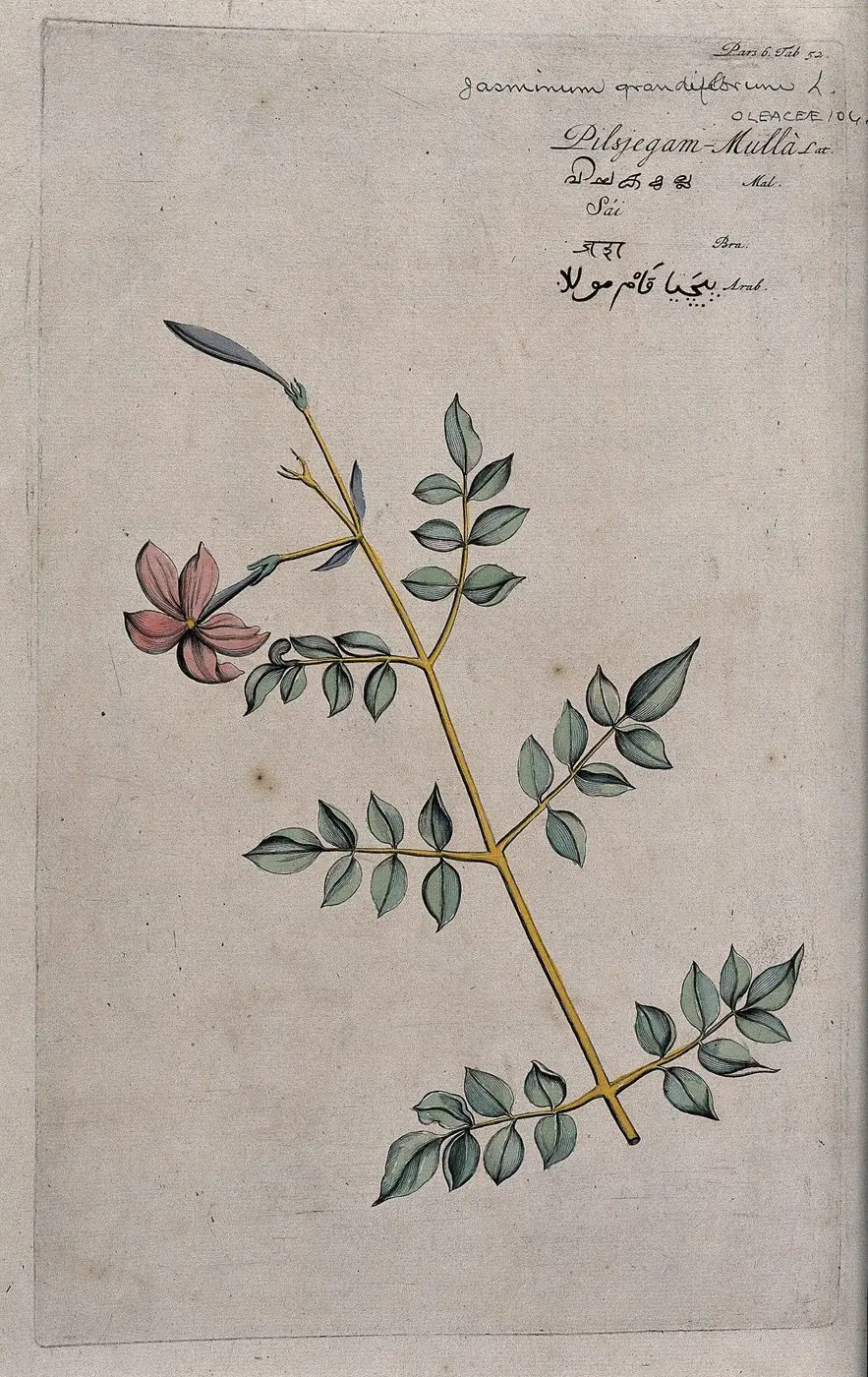
Egypt is one of the two dominant world sources of jasmine grandiflorum concrete and absolute, alongside India. Flowers are picked before dawn and processed the same morning, since the yield of volatile material falls sharply once the flower is cut.

Materials from Egypt1

Buyer’s guide

Sourcing aromatics from Egypt

Egypt is one of the world's major producers of floral concretes and absolutes. It is a leading source of Jasminum grandiflorum concrete, much of it grown in the Nile Delta, and it also produces geranium oil, orange-blossom and neroli materials, violet-leaf absolute, tuberose, basil, chamomile and other herbs.

Egyptian processors often extract concretes locally and export them for conversion to absolutes, or produce absolutes themselves. Egyptian geranium is a recognised style — rosy and slightly minty — and Egyptian jasmine is valued for a rich, fruity grandiflorum profile.

As with any high-value floral, documentation is the safeguard: request GC-MS for the specific lot, state whether you are buying concrete or absolute, and confirm harvest year and processor.
Common questions

Which aromatics is Egypt known for?
Jasmine grandiflorum concrete and absolute, geranium oil, orange-blossom and neroli materials, violet-leaf absolute and herbal oils such as basil and chamomile.
What is the difference between jasmine concrete and absolute?
Concrete is the waxy product of solvent extraction; washing it with alcohol removes the waxes to make the absolute used in perfumery.
What does Egyptian geranium smell like?
Rosy, green and slightly minty — a recognised style alongside Bourbon (Réunion) and Chinese geranium.
A material is only shown under an origin where that origin is attached to its record. We do not infer origin from a trade name, and we do not list a country because it sounds right for the material.