Skip to content

Resins & Gums

Labdanum

Cistus ladanifer resin, gum and derived absolute.

1 material

Buyer’s guide

Buying labdanum

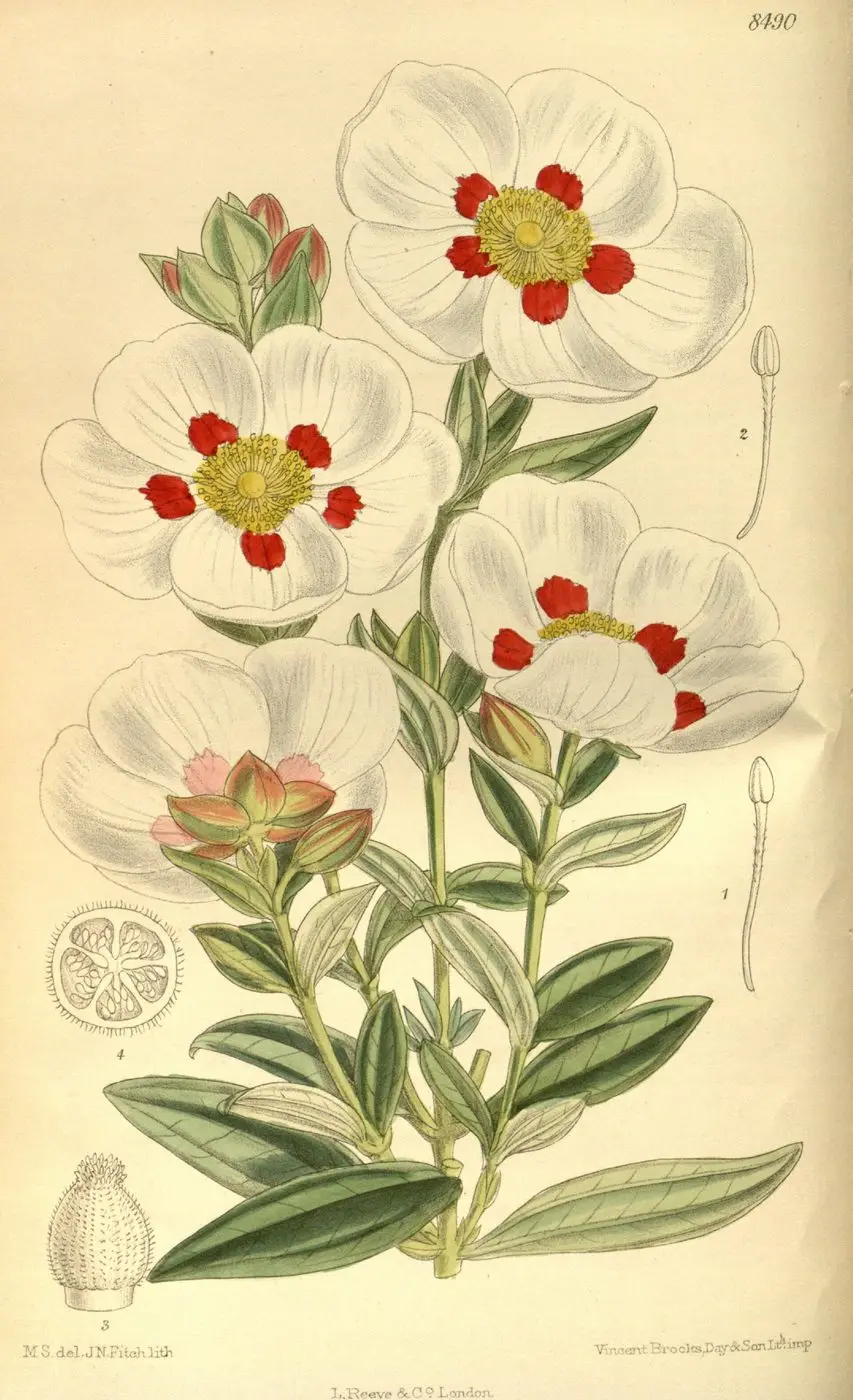
Labdanum is a sticky resin from rockrose shrubs, mainly Cistus ladanifer in Spain (especially Andalusia) and Portugal, and Cistus creticus in the eastern Mediterranean. Historically it was combed from the beards of goats that grazed among the shrubs; today the leaves and twigs are boiled in alkaline water to release the gum.

The gum is processed into labdanum resinoid and absolute, and distilled into cistus and labdanum oils. Labdanum is the backbone of amber accords: warm, leathery, balsamic and faintly animalic, with an ambergris-like quality that makes it essential in chypres and orientals.

Specifications should state the species, the form (gum, resinoid, absolute or oil) and the process. GC-MS and, for resinoids, the solvent and residual-solvent figures are the core documentation.
Common questions

What is the difference between labdanum and cistus oil?
Both come from Cistus ladanifer. Cistus oil is usually distilled from leaves and twigs and is fresher and more herbaceous; labdanum resinoid and absolute come from the gum and are deeper, warmer and amber-like.
Why is labdanum important in amber fragrances?
Its warm, leathery, balsamic profile with an ambergris-like facet is the classic base of amber accords, often paired with vanilla and benzoin.
Where does labdanum come from?
Mainly Andalusia in Spain, with production in Portugal and around the eastern Mediterranean.
This site is populated with clearly marked sample data for demonstration. Quantities, lots, offers and documentation shown are illustrative and are not offers to sell.