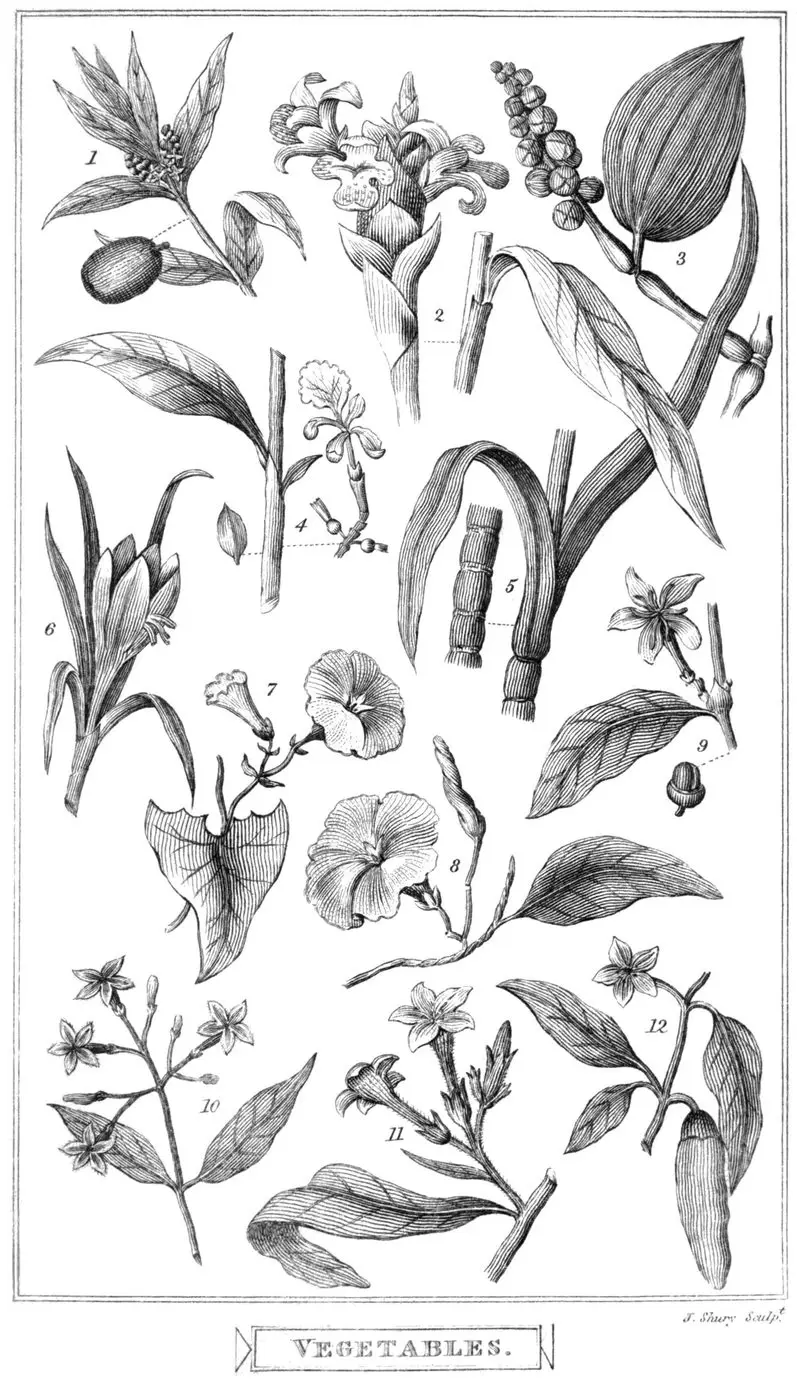
Saffron is the dried stigma of Crocus sativus. Each flower has only three stigmas, which are picked by hand during a short autumn bloom, so it takes roughly 150,000 flowers to make a kilogram of dried saffron. Iran produces the large majority of the world's crop; Spain (La Mancha), Morocco (around Taliouine), Greece, Afghanistan and Kashmir are other recognised origins.
Saffron quality is graded under ISO 3632 by laboratory measurement of colouring strength (crocin), bitterness (picrocrocin) and aroma (safranal), as well as moisture and foreign matter. Category I is the top grade. Thread style matters too: pure red stigmas (often traded as negin or sargol) sit above grades that include the yellow style.
Saffron is one of the most adulterated foods in the world — dyed safflower, corn silk, extra style and added weight are all documented. A laboratory certificate to ISO 3632 for the specific lot is essential. In perfumery, saffron is used mainly as an absolute or CO2 extract, or reconstructed around safranal.