Skip to content

Roots & Rhizomes

Orris

Iris pallida and Iris germanica rhizome butter, concrete and absolute.

1 material

Buyer’s guide

Buying orris

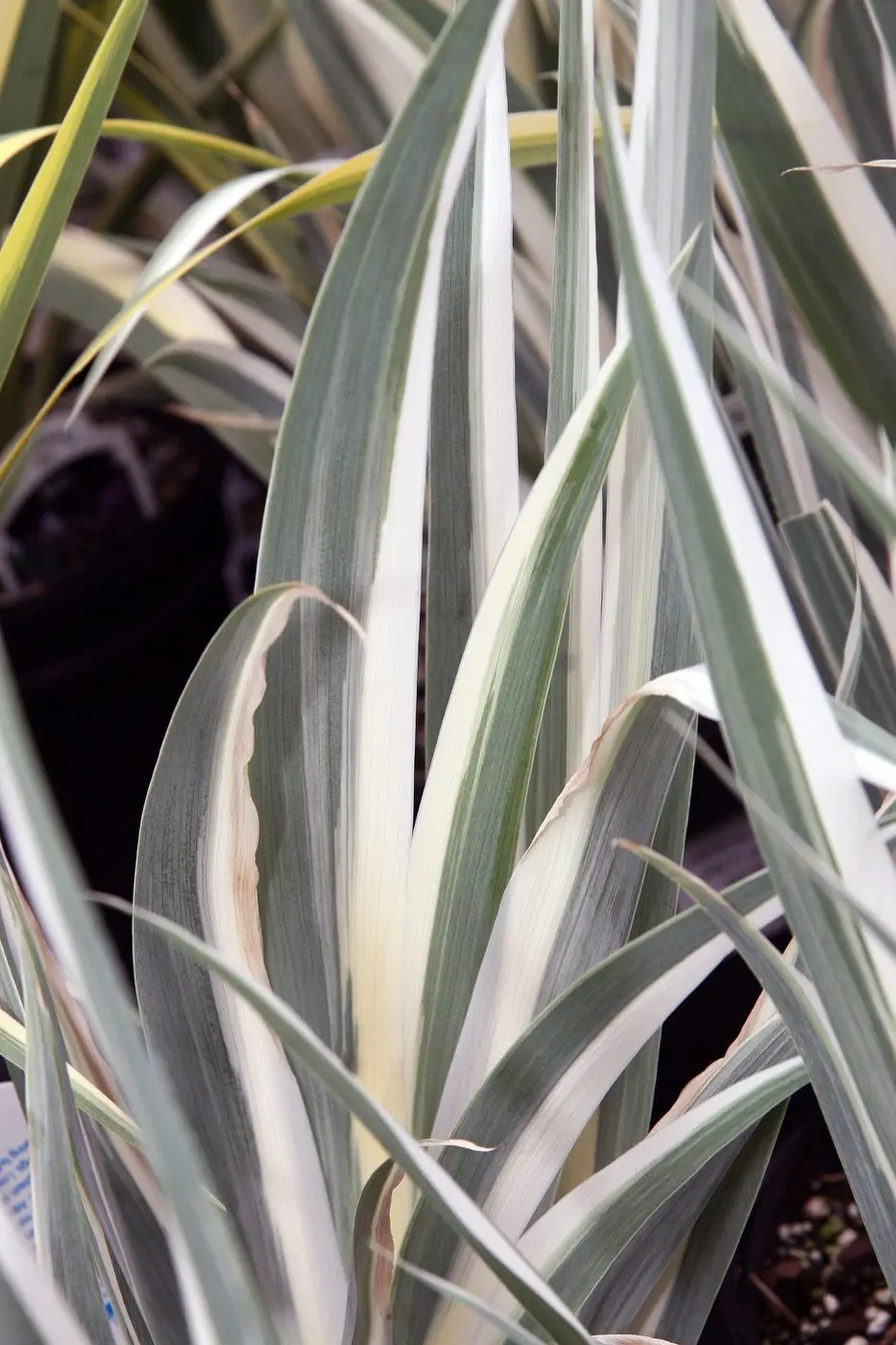
Orris comes from the rhizomes of Iris pallida and Iris germanica. The classic source is Tuscany, around Florence; Morocco and China also produce. After harvest the rhizomes are peeled and dried, then stored for about three years while slow oxidation forms the irones that give orris its powdery, violet-like scent.

Steam distillation of the ground, aged rhizomes yields orris butter — a waxy concrete, solid because of its high myristic acid content. Removing the fatty acids gives orris absolute, more concentrated and far more expensive. Yields are very low, which together with the years of storage makes orris one of the costliest perfumery materials.

Irone content is the key specification figure and is often stated as a percentage. Ask for it alongside the iris species, origin and GC-MS for each lot.
Common questions

Why must orris rhizomes be aged?
Fresh rhizomes smell earthy and have little orris character. During about three years of storage, precursors oxidise into irones, the molecules responsible for orris's powdery, violet-like scent.
What is the difference between orris butter and orris absolute?
Orris butter is the waxy steam-distilled concrete. Orris absolute has the fatty acids removed, so it is more concentrated and has a much higher irone content — and price.
Which iris species are used for orris?
Iris pallida and Iris germanica. Tuscan Iris pallida is considered the reference quality.
This site is populated with clearly marked sample data for demonstration. Quantities, lots, offers and documentation shown are illustrative and are not offers to sell.