Skip to content

Roots & Rhizomes

Vetiver Root

Dried Chrysopogon zizanioides root.

1 material

Buyer’s guide

Buying dried vetiver root

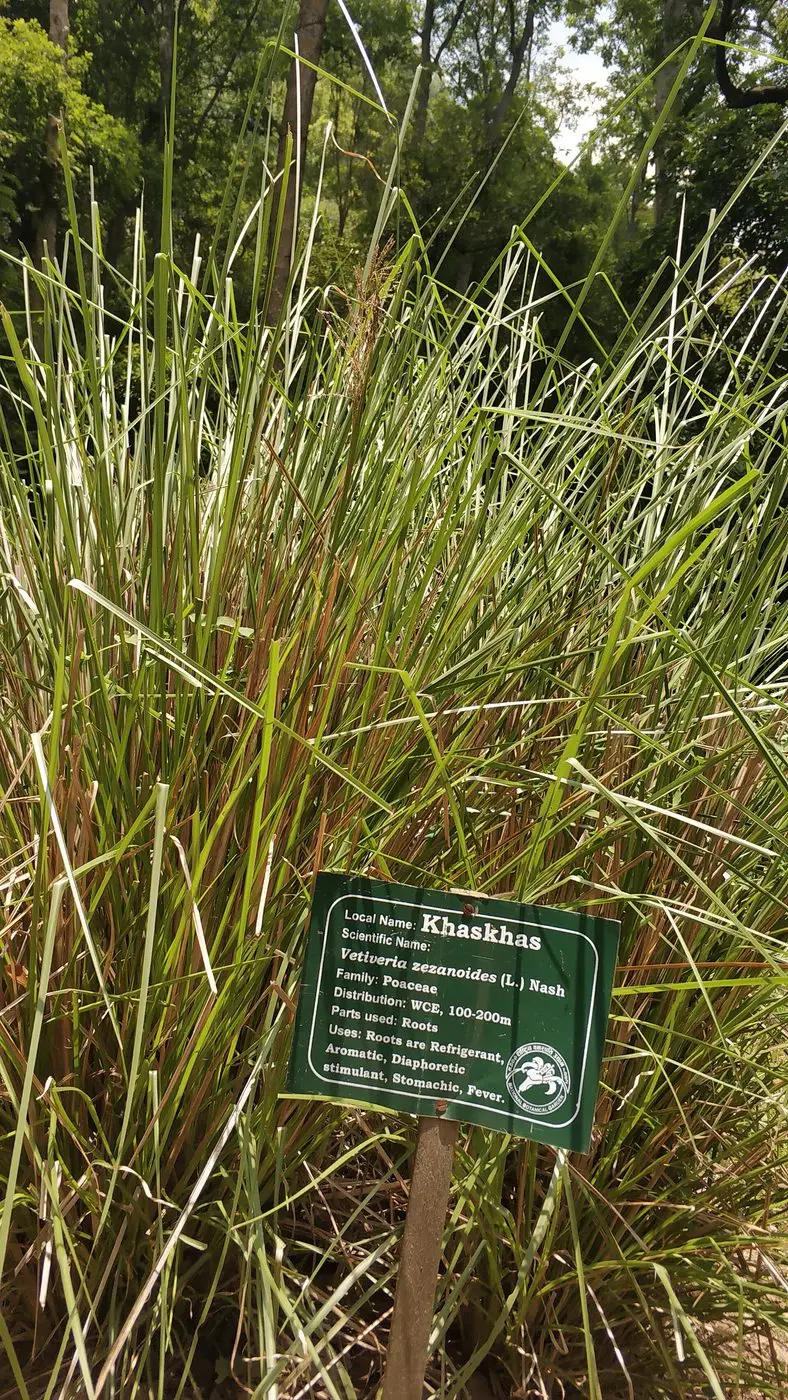
Dried vetiver root comes from Chrysopogon zizanioides, a perennial grass whose dense, deep roots hold the aromatic oil. The roots are dug, washed and dried, and sold whole or cut for distillation, extraction and traditional uses — woven into khus mats and screens in India, or used in sachets and natural fragrance products.

For distillation buyers, oil content, root age and moisture determine yield. Roots from established plants are richer in oil, and properly dried roots store reasonably well. Haiti, Indonesia, India and Madagascar are the main producing countries.

A trial distillation with GC-MS of the resulting oil — checking khusimol and the vetivones — is the best way to assess a lot. Ask for harvest date, moisture content and origin.
Common questions

How much oil does vetiver root yield?
Typically around 1–2% of the dried root by weight, depending on origin, root age and distillation time. A trial distillation on the actual lot is the reliable figure.
What are khus mats?
Traditional Indian mats and screens woven from vetiver root. When wetted they release a cool, earthy scent and were used to cool homes in hot weather.
How should dried vetiver root be stored?
Dry, cool and ventilated, away from moisture to prevent mould. Record the harvest date, since very old root distils differently.
This site is populated with clearly marked sample data for demonstration. Quantities, lots, offers and documentation shown are illustrative and are not offers to sell.