Compliance · Conflict minerals
Tin, tantalum, tungsten and gold: prove the origin.
The 3TG minerals from the Great Lakes region and other conflict-affected and high-risk areas can be traded — but only with traceability from mine to export and due diligence that meets international guidance.
- Applies to
- 4 minerals
- Reviewed
- September 2026
01
The rules
- OECD Due Diligence Guidance
- The international standard: a five-step framework to identify and manage risks of conflict financing and human-rights abuse in mineral supply chains from conflict-affected and high-risk areas.
- EU Regulation 2017/821
- Since January 2021, EU importers of 3TG ores, concentrates and metals above volume thresholds must carry out OECD-aligned due diligence and report on it.
- US Dodd-Frank Act, Section 1502
- US-listed companies disclose whether products contain 3TG from the DRC or adjoining countries, and the due diligence performed.
- ICGLR Regional Certification Mechanism
- Certificates for 3TG exports among the Great Lakes member states, based on mine-site validation.
02
What an ARAM 3TG offer carries
- The mine of origin, with its validation status.
- Traceability records through every hand, typically from an upstream scheme (for example ITSCI) or an equivalent system.
- Export documents from the country of origin, including regional certificates where they apply.
- For smelters and refiners: an independent audit report (for example the RMI Responsible Minerals Assurance Process).
Last reviewed September 2026. Rules change — confirm before you contract.
Minerals this applies to
 #06
#063TG conflict minerals
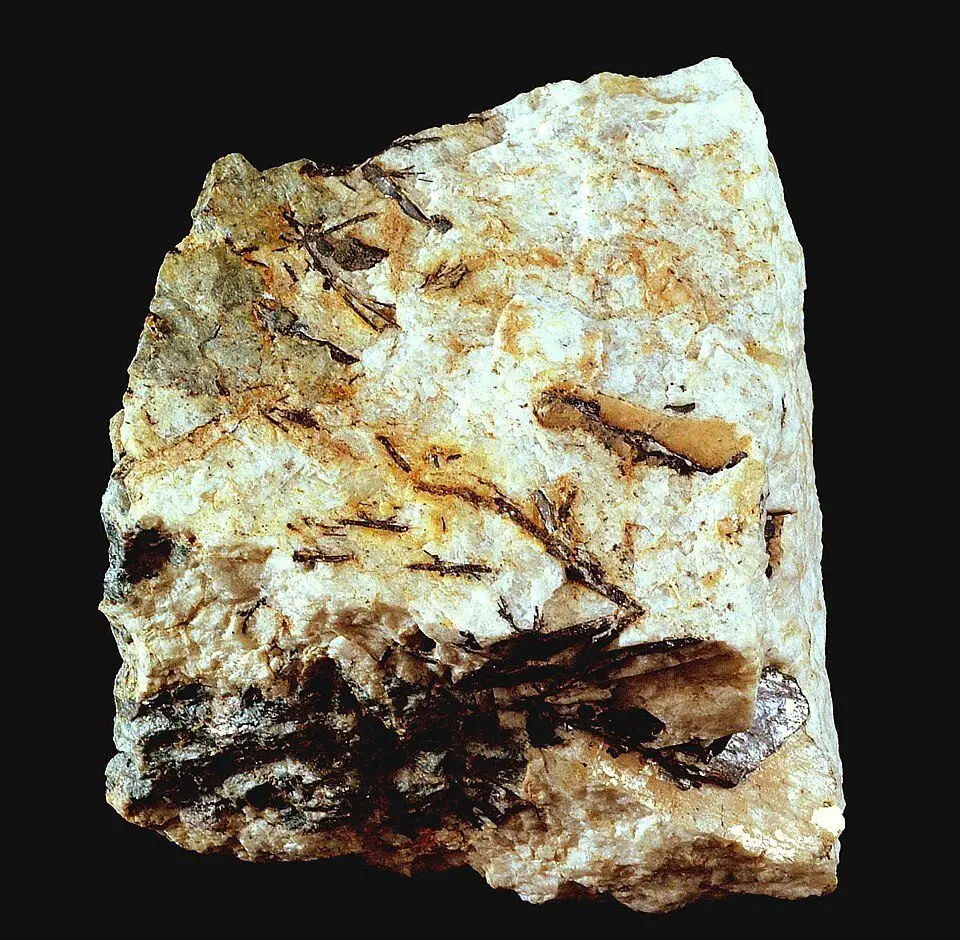
Tantalum (Coltan) Ta
Tantalum is used for capacitors in phones, laptops and cars, and in aerospace superalloys, medical implants and sputtering targets. Its ore, coltan (columbite-tantalite), comes mainly from the African Great Lakes region: the DRC and Rwanda together supply about 60% of the world's mined tantalum, much of it artisanal. Tantalum is one of the four 'conflict minerals' (3TG), and eastern DRC conflict (M23's control of Rubaya since 2024) makes due diligence decisive.
- Supply
- Contract — verified 3TG supply only
- Assay
- Independent — required
- Origin
- Verified per offer
3TG conflict minerals
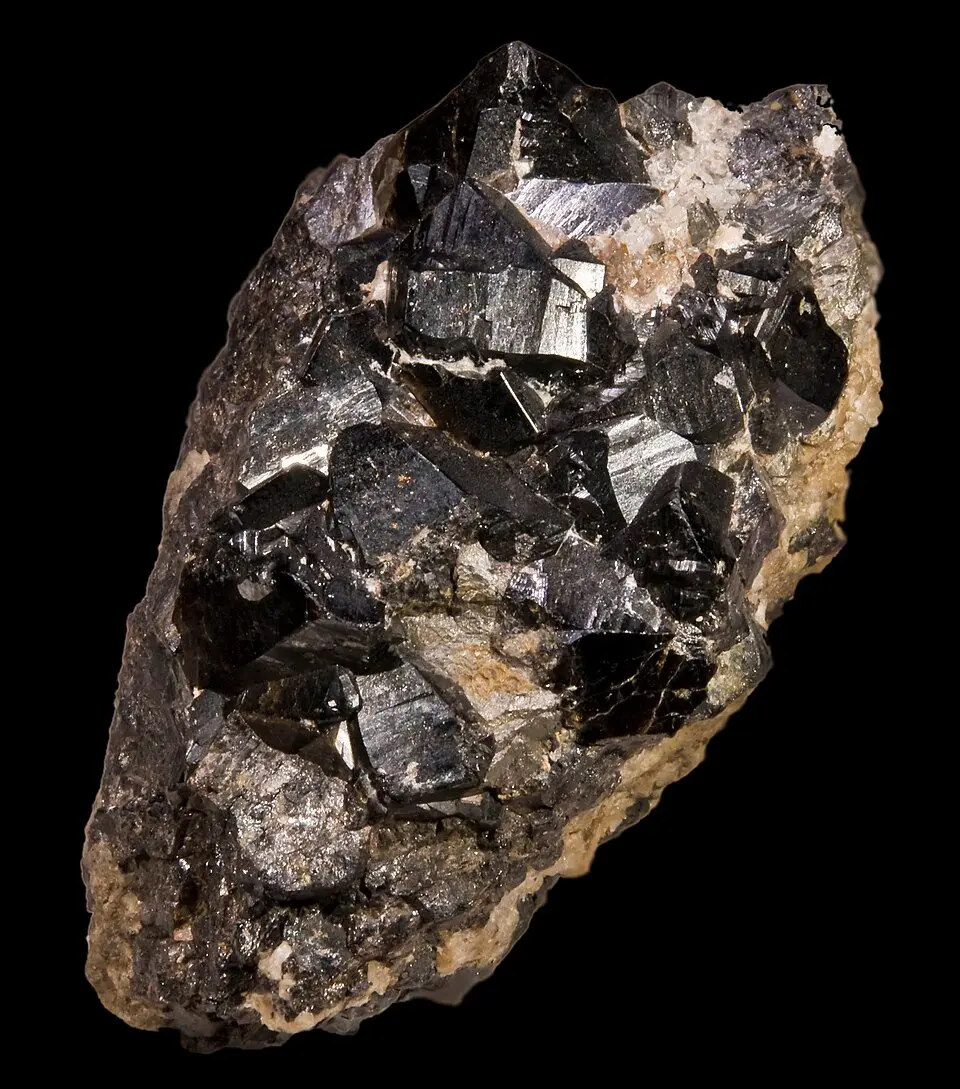
Tin Sn
Tin's main use is solder for electronics, followed by tinplate, chemicals and battery research. Cassiterite (SnO2) from the African Great Lakes is a 3TG conflict mineral. The standout industrial source is Bisie (Alphamin) in North Kivu, DRC, one of the world's highest-grade tin mines. Its operations were shut for about five weeks in March 2025 as M23 advanced on Walikale.
- Supply
- Contract — verified 3TG supply only
- Assay
- Independent — required
- Origin
- Verified per offer
3TG conflict minerals
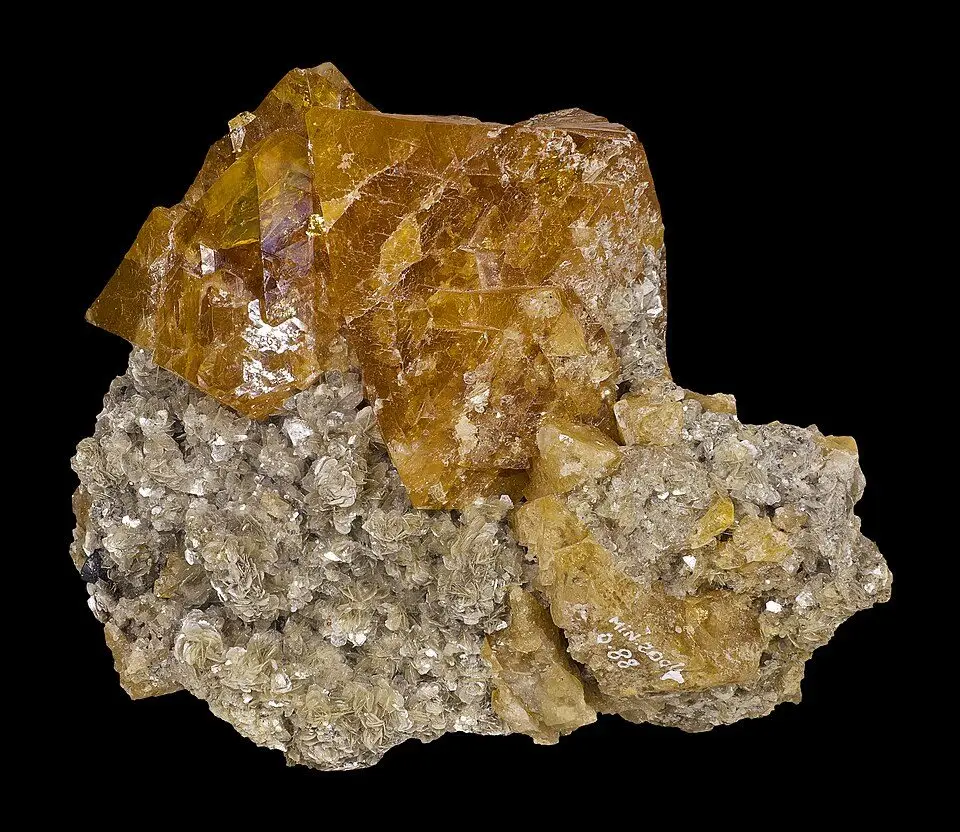
Tungsten W
Tungsten has the highest melting point of any metal. It is used in hard metals (tungsten carbide cutting tools, drilling), armour-piercing munitions, high-temperature alloys and electronics. China produces about 80% and has placed tungsten under export controls (February 2025). Rwanda is Africa's leading producer, and its Nyakabingo mine (Trinity Metals) now ships ferberite concentrate to the US defence-linked supply chain. Tungsten is a 3TG conflict mineral.
- Supply
- Contract — verified 3TG supply only
- Assay
- Independent — required
- Origin
- Verified per offer
 #10
#10Precious
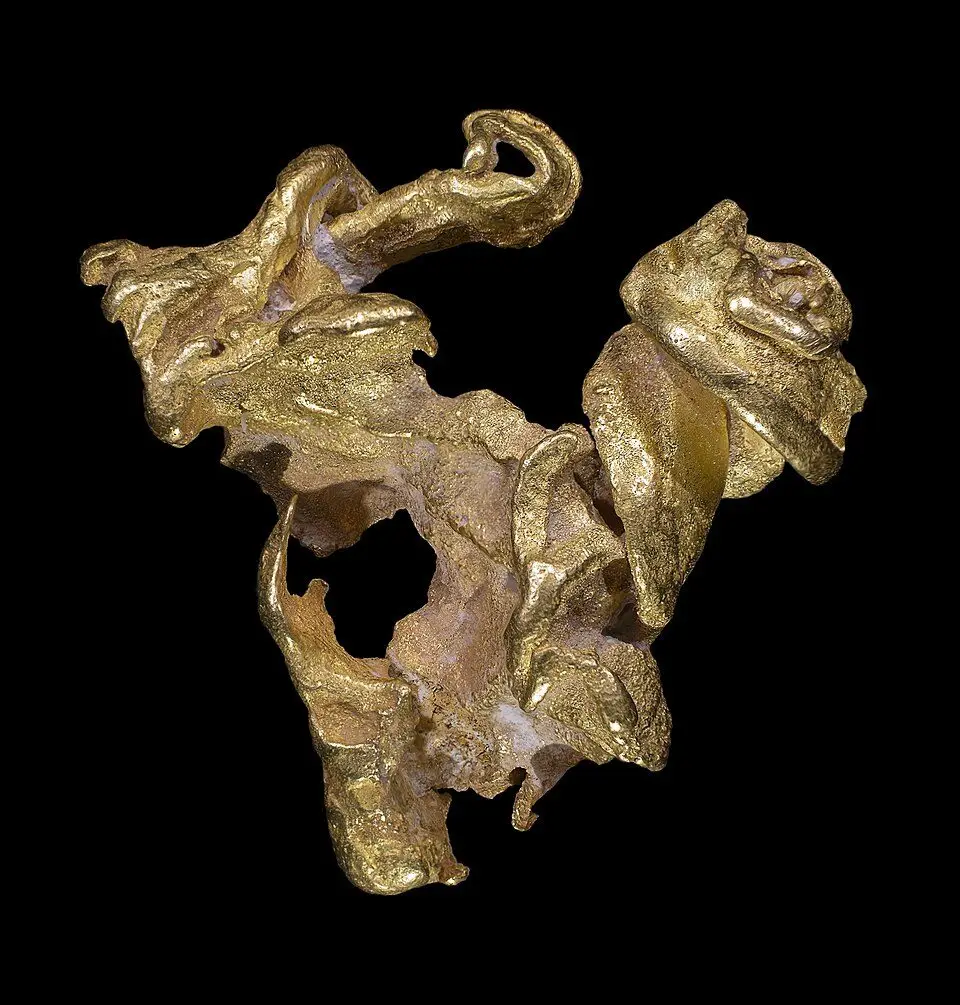
Gold Au
Gold is the most liquid commodity on the list and Africa's largest mineral export by value. The top producers are Ghana (Africa's #1, about 6 Moz in 2025), Mali, South Africa, Burkina Faso, Sudan, Tanzania and Zimbabwe. Supply splits into large-scale mines selling doré to accredited refiners, and artisanal and small-scale mining (ASM), which employs millions and is the channel most exposed to smuggling, conflict financing and money laundering. It is traded under the strictest due-diligence regime of any mineral.
- Supply
- Spot — verified buyers only
- Assay
- Independent — required
- Origin
- Verified per offer