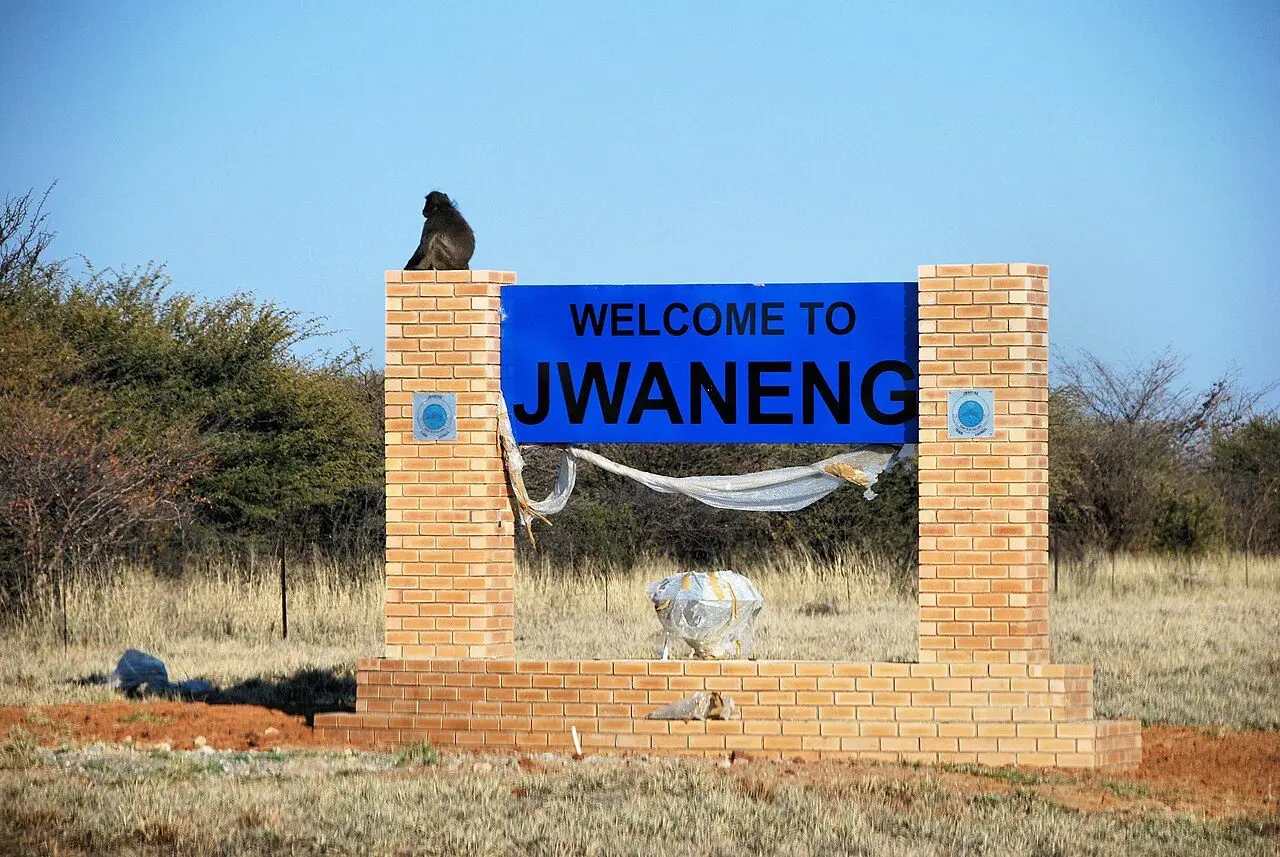
 Producing mine
Botswana
Jwaneng
Operated by Debswana (De Beers and the Government of Botswana)
The world's richest diamond mine by value, in southern Botswana.
Photo: Ossewa · CC BY-SA 3.0Demonstration dataListings, lots and offers shown are samplesAbout sample data
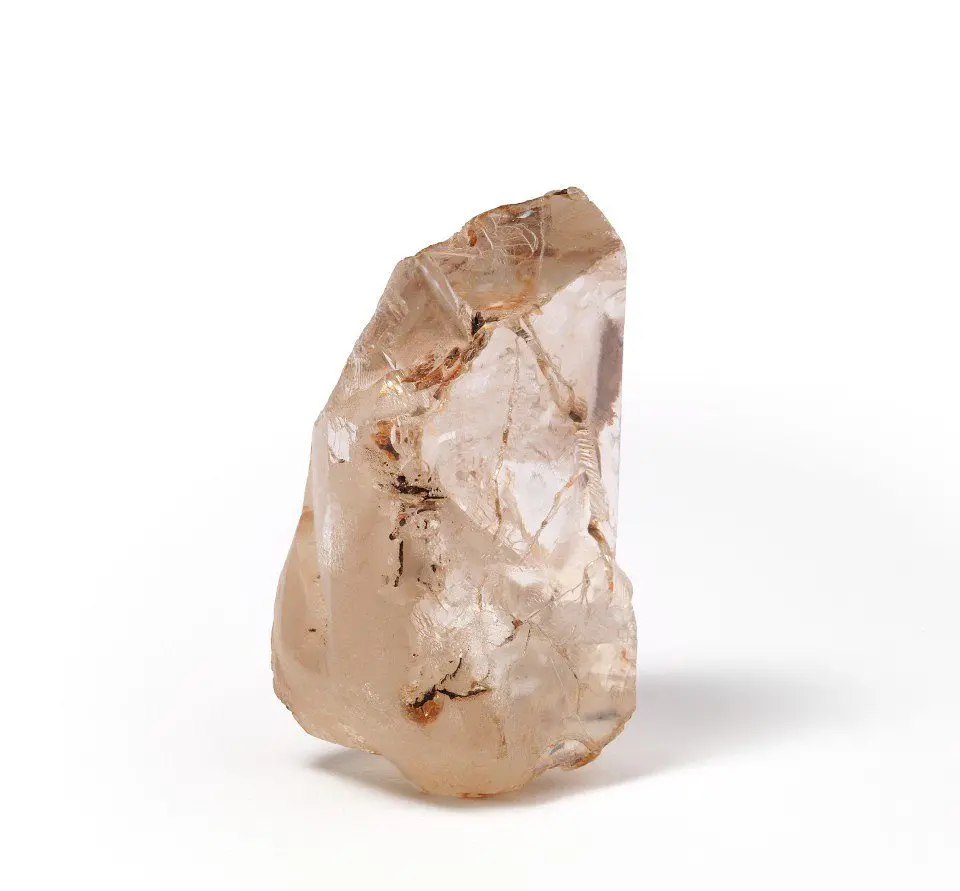
Reference specimen · DGPC/ADF Luísa Oliveira, CC0
Precious
Sample dataAfrica produces most of the world's rough diamonds by value. Botswana is the #1 producer by value, and Angola, the DRC (#1 by volume, mostly industrial quality), South Africa, Namibia (marine diamonds), Zimbabwe, Sierra Leone and Lesotho (Letšeng, very high value per carat) follow. Rough trade is regulated by the Kimberley Process. Since 2022 the market has been in a deep downturn from lab-grown competition: De Beers' rough sales fell from US$5.67bn in 2022 to US$1.95bn in 2024.
Controlled supply
This mineral is subject to kimberley process. Offers are published only after ARAM has reviewed the supporting documents, and some details are visible to verified companies only.
Verified companies only
Volumes, origins and terms are shown to verified companies. Availability for everyone else: Contract / Enquiry — Kimberley Process-certified only. Verify your company or submit a request.
Rough gem diamonds
Unit: ct · HS 7102.10
sold in assortments by size, model/shape, quality, colour (thousands of price categories)
Near-gem and industrial rough (boart)
Unit: ct · HS 7102.21
abrasives, drilling (mostly displaced by synthetic)
Polished diamonds
Unit: ct · HS 7102.31
downstream (Antwerp, Surat, Dubai, Tel Aviv)
ARAM sourcing assessment
Specialist and depressed market; only viable with KP-registered partners and gemmological expertise. Listing status: Contract / Enquiry (KP-certified sellers only).
Botswana
Debswana (De Beers/Government 50:50 — Jwaneng, Orapa); Karowe (Lucara); Okavango Diamond Company (state marketing, 30→40% of Debswana output from 2025)
Angola
Catoca, Lulo, Luaxe; Sodiam (state marketing)
DR Congo
MIBA, SACIM, large artisanal sector (Kasai)
South Africa
Venetia (De Beers), Cullinan (Petra), Finsch
Namibia
Namdeb/Debmarine (marine)
Zimbabwe
ZCDC (Marange)
Sierra Leone
Koidu; Lesotho: Letšeng
USGS Mineral Commodity Summaries 2026 — African rows of the world production & reserves table
World Natural Industrial Diamond Mine Production and Reserves: Reserves for Russia, South Africa, and
Angola 1 1 150
Botswana 5 5 250
Congo (Kinshasa) 7 7 150
South Africa 3 3 87
Zimbabwe 5 5 56
World total (rounded) 38 38 1,700
| Year | Country | HS | Value | Net weight |
|---|---|---|---|---|
| 2023 | Botswana | 710231 | $3.17bn | 6 t |
| 2023 | Angola | 710221 | $1.57bn | 2 t |
| 2024 | Angola | 710221 | $1.53bn | 2 t |
| 2023 | Namibia | 710231 | $982.7m | 1 t |
| 2023 | South Africa | 710231 | $881.7m | 1 t |
| 2024 | Namibia | 710231 | $821.7m | 1 t |
| 2024 | South Africa | 710231 | $725.4m | 1 t |
| 2023 | Zimbabwe | 710221 | $324.6m | 1 t |
| 2024 | Lesotho | 710231 | $224.3m | 6 t |
| 2024 | Zimbabwe | 710221 | $219.7m | 1 t |
| 2023 | South Africa | 710210 | $219.6m | 1 t |
| 2023 | Lesotho | 710231 | $195.8m | 99 t |
Mirror data fills gaps where exporters report late or incompletely.
| Year | Buyer | Origin | HS | Value | Net weight |
|---|---|---|---|---|---|
| 2023 | UAE | Angola | 710231 | $1.52bn | 2 t |
| 2023 | UAE | Botswana | 710231 | $1.45bn | 3 t |
| 2024 | India | Angola | 710231 | $1.39bn | 1 t |
| 2023 | India | Botswana | 710231 | $1.24bn | 1 t |
| 2024 | India | Botswana | 710231 | $1.14bn | 1 t |
| 2023 | India | Angola | 710231 | $1.11bn | 1 t |
| 2023 | Belgium | Botswana | 710231 | $871.5m | 1 t |
| 2023 | UAE | South Africa | 710231 | $668.4m | 0 t |
| 2024 | Belgium | Botswana | 710231 | $618.9m | 1 t |
| 2023 | Belgium | Angola | 710231 | $584.9m | 1 t |
| 2024 | Belgium | Angola | 710231 | $548.0m | 1 t |
| 2023 | India | South Africa | 710231 | $527.5m | 1 t |
Source: UN Comtrade (public data). Values in US$.
Minerals trade on formula prices: a published benchmark × metal content × payable percentage, less treatment charges and impurity penalties, settled on independent assay. Payment is typically by documentary letter of credit, with 90–95% provisional payment against shipping documents and the balance on final assay.
Request terms for Diamonds (rough)Cross-border
Permit / licence
Kimberley Process Certification Scheme — every rough shipment between participants needs a KP certificate; import/export only via designated authorities
Authority: Kimberley ProcessPrimary sourceSource
Cross-border
No special restriction
Botswana, Namibia, South Africa require local beneficiation offers (state first-refusal / cutting obligations)
Primary source
Cross-border
No special restriction
G7 restrictions on Russian diamonds require origin verification for parcels entering G7 markets
Primary source
All rough diamond trade between Kimberley Process participants requires a KP certificate; sealed, tamper-proof containers. Botswana (Debswana: 50/50 De Beers–Government; Jwaneng, Orapa) — Feb 2025 agreement raised Okavango Diamond Company's share of Debswana output to 30%, rising to 40%. De Beers rough sales fell from US$5.67bn (2022) to US$1.95bn (2024) amid lab-grown competition. Angola 2025 KP export value ~US$1.65bn (Sodiam, Catoca).
Source 1 · kimberleyprocess.comSource 2 · kimberleyprocess.comSource 3 · debeersgroup.comSource 4 · sundayindependent.co.zaSource 5 · nsenergybusiness.com
Research compiled September 2026 from USGS, UN Comtrade, producer and regulator publications. Facts marked “reported” come from secondary sources and should be confirmed before contracting.
On the ground · Diamonds (rough)
The mines and districts that define supply, with their operators. They are shown for geographic context: third-party operations, not ARAM sites, and not the source of any particular lot. Ownership and status as publicly reported in 2026.
Producing mineBotswana
Operated by Debswana (De Beers and the Government of Botswana)
The world's richest diamond mine by value, in southern Botswana.
Photo: Ossewa · CC BY-SA 3.0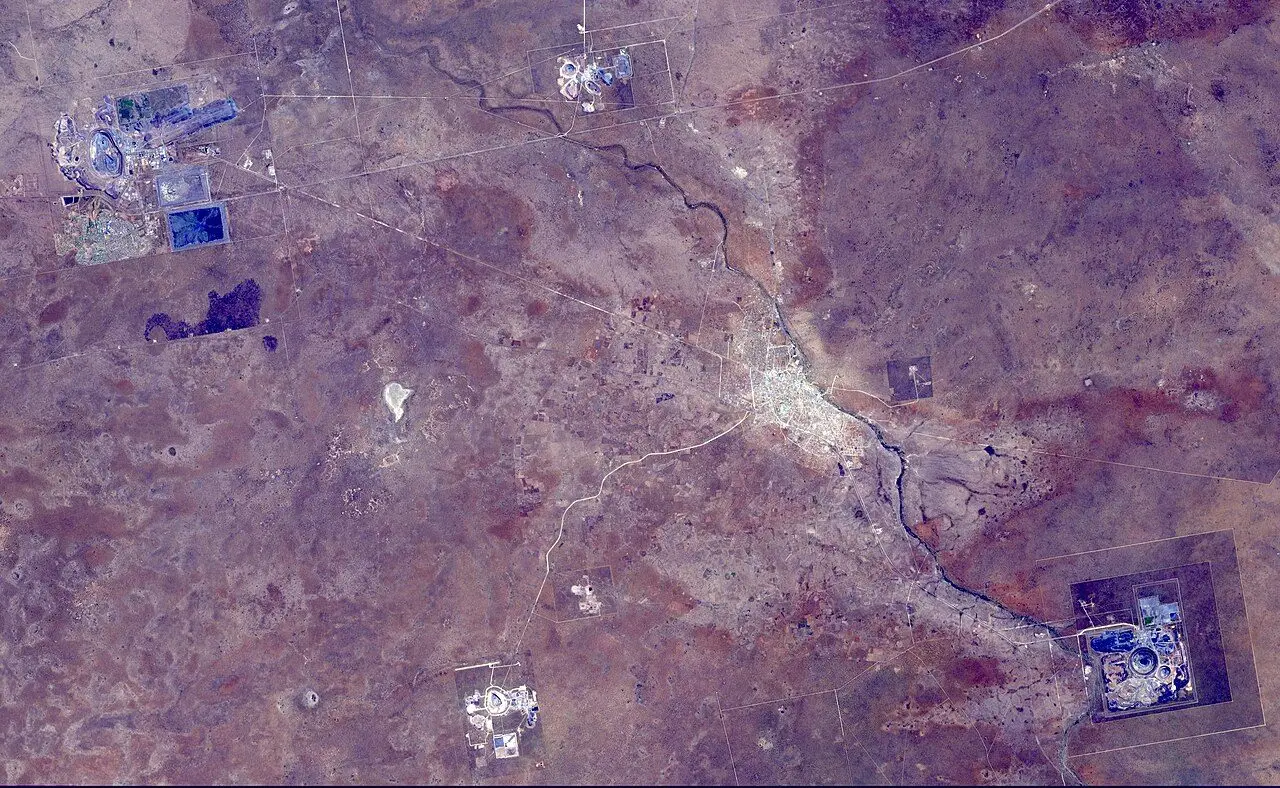 Producing mine
Botswana
Operated by Debswana
One of the world's largest diamond mines by area, on the edge of the Kalahari.
Photo: NASA/METI/AIST/Japan Space Systems, and U.S./Japan ASTER Science Team · Public domain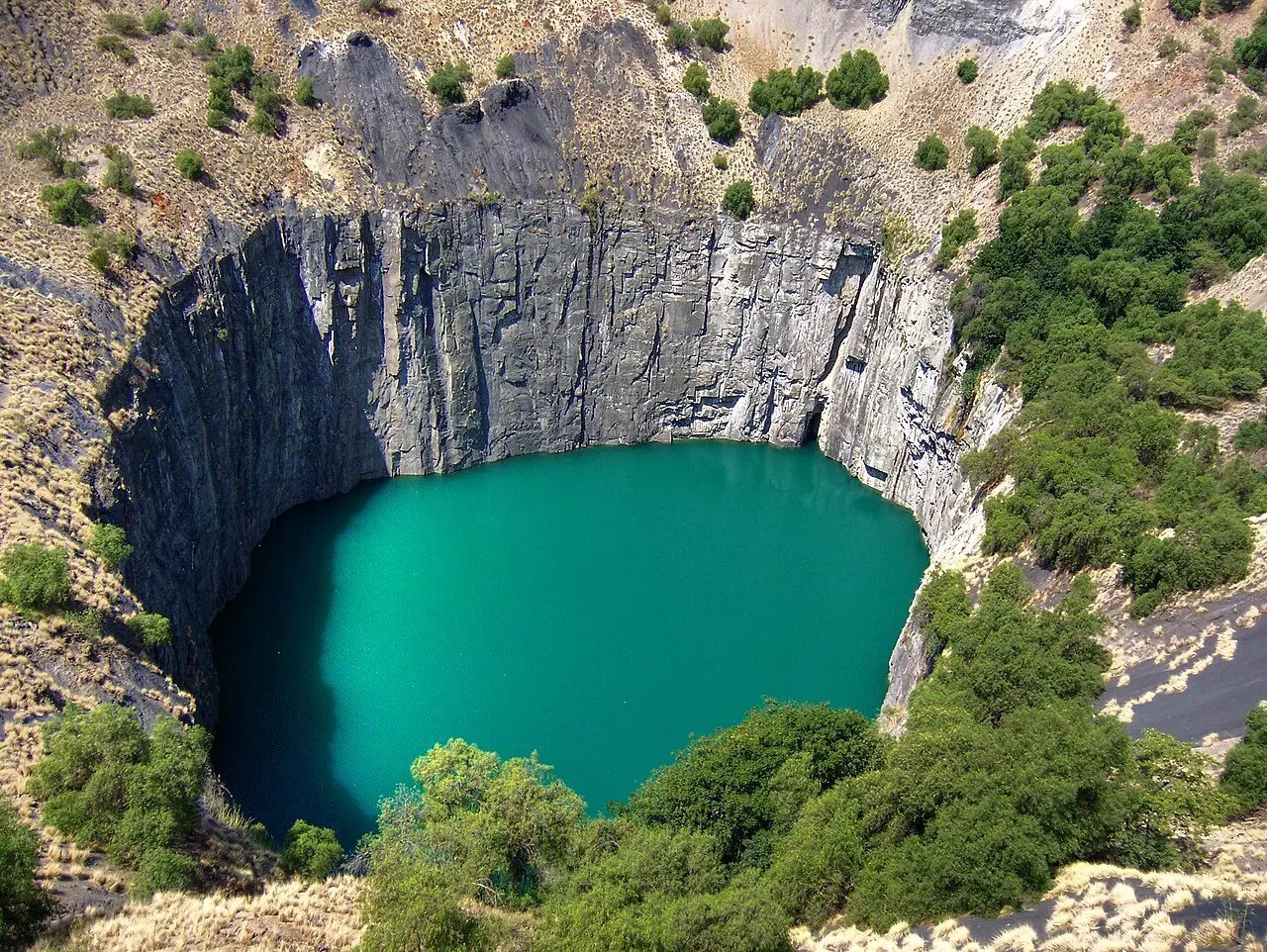 Historic mine
South Africa
Operated by Historic (De Beers)
The hand-dug pipe that started the South African diamond industry and gave its name to kimberlite and the Kimberley Process.
Photo: Irene2005 · CC BY 2.0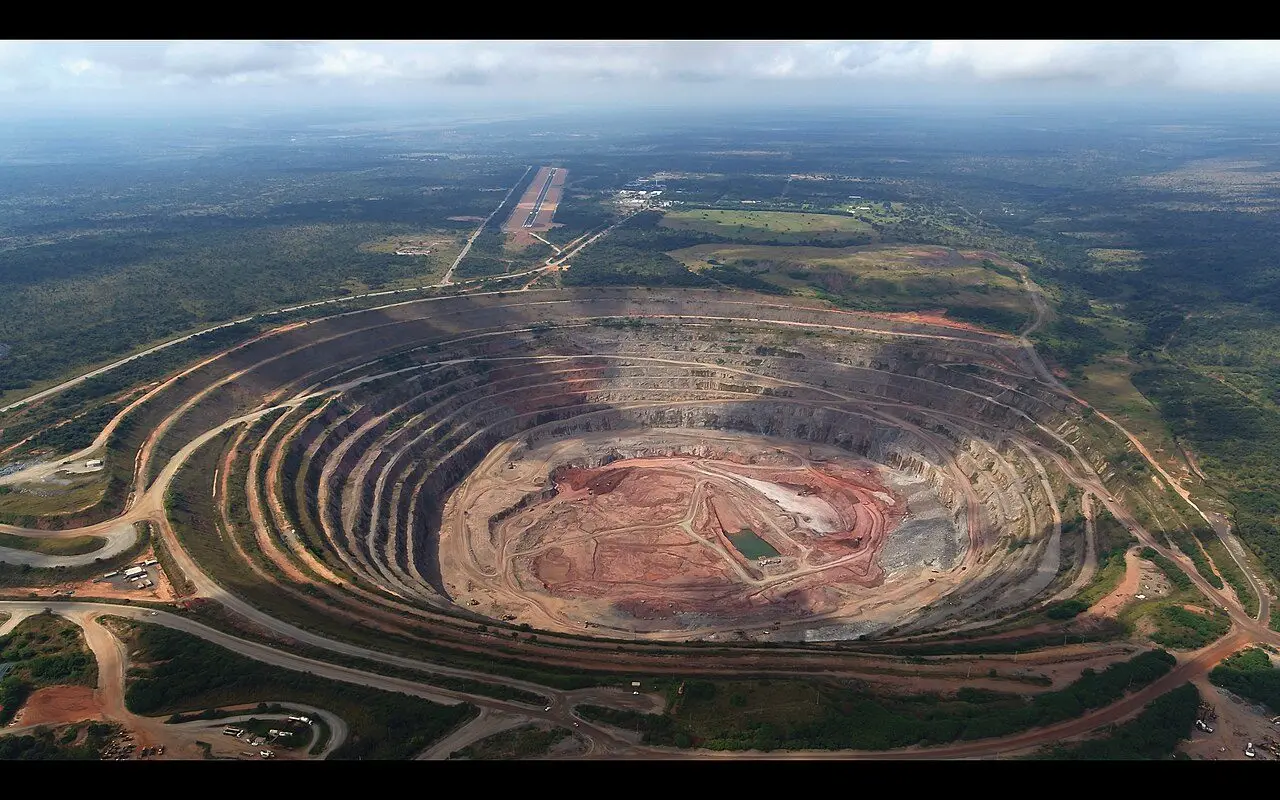 Producing mine
Angola
Operated by Sociedade Mineira de Catoca (Endiama and partners)
One of the world's largest kimberlite diamond mines, in Lunda Sul province.
Photo: Gsmart-ao · CC BY-SA 4.0DGPC/ADF Luísa Oliveira, CC0
Woudloper, CC BY-SA 1.0
Géry PARENT, Public domain
Smithsonian Institution, Public domain
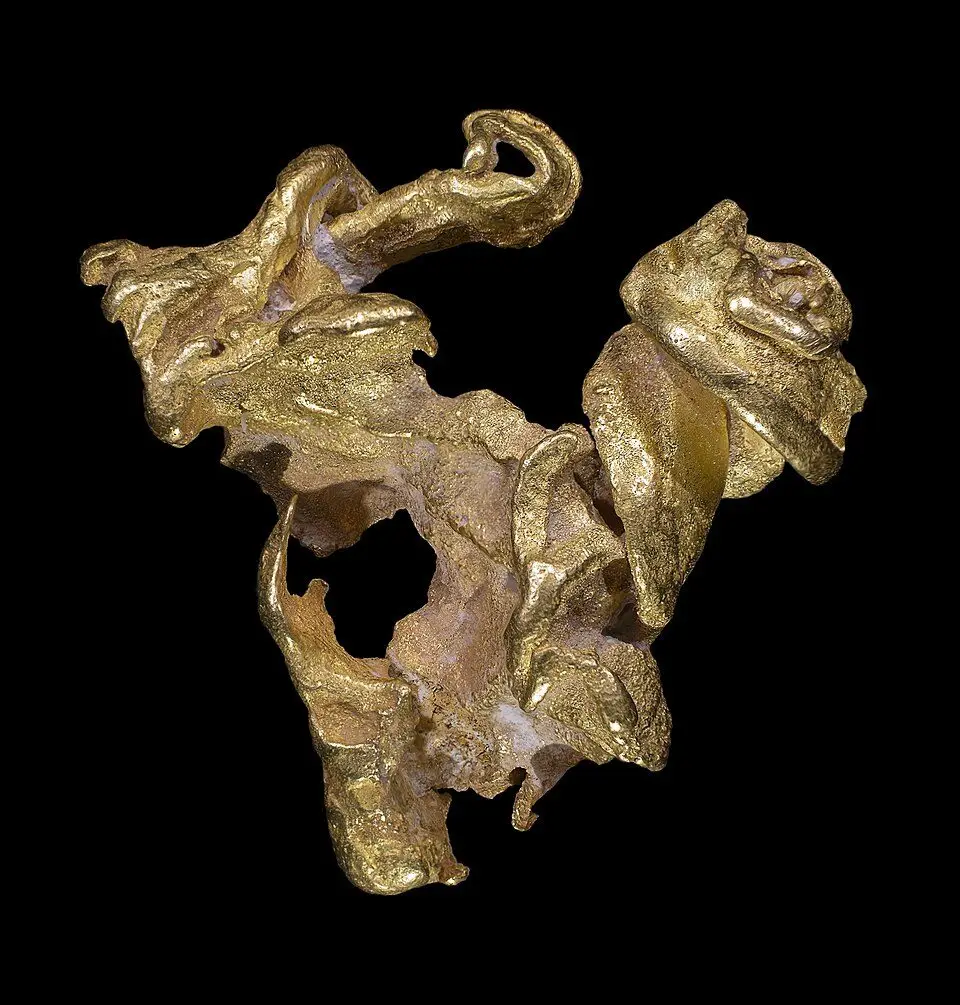
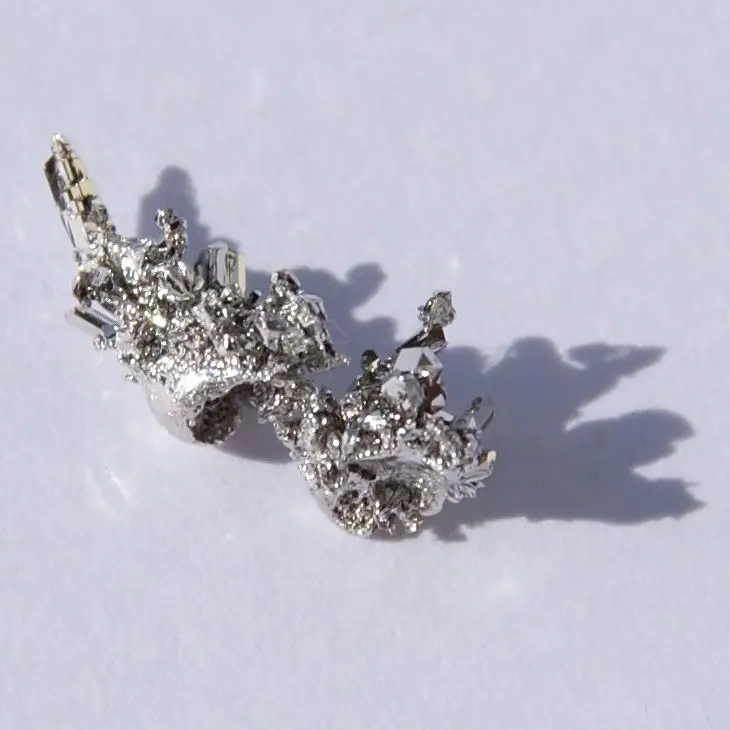
Reference specimens of the ore minerals and products, from public collections. They illustrate the material, not a specific ARAM lot or source.
 #10
#10Precious
Gold is the most liquid commodity on the list and Africa's largest mineral export by value. The top producers are Ghana (Africa's #1, about 6 Moz in 2025), Mali, South Africa, Burkina Faso, Sudan, Tanzania and Zimbabwe. Supply splits into large-scale mines selling doré to accredited refiners, and artisanal and small-scale mining (ASM), which employs millions and is the channel most exposed to smuggling, conflict financing and money laundering. It is traded under the strictest due-diligence regime of any mineral.
 #08
#08Precious
The platinum-group metals are platinum, palladium, rhodium, ruthenium, iridium and osmium. They are used in autocatalysts, hydrogen electrolysers and fuel cells, glass, electronics, chemicals, jewellery and investment. South Africa's Bushveld Complex holds most of the world's PGM reserves and produces about 70% of its platinum and more than 80% of its rhodium. Zimbabwe's Great Dyke is the #3 platinum source. The industry is dominated by a few integrated miners that smelt and refine in South Africa.