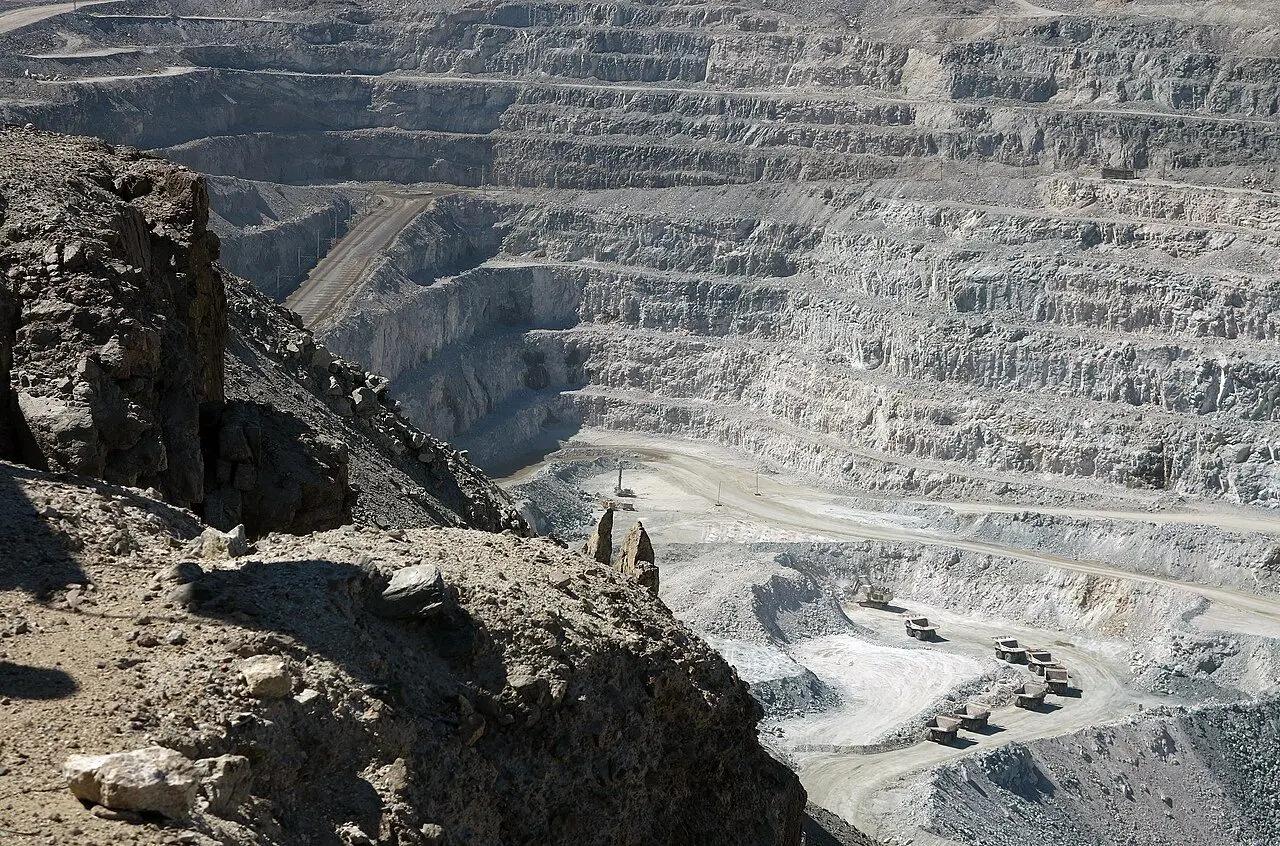
 Producing mine
Namibia
Rössing
Operated by China National Nuclear Corporation
A large open-pit uranium mine in the Namib Desert, operating since 1976 with life extended to 2036.
Photo: IAEA Imagebank · CC BY-SA 2.0Demonstration dataListings, lots and offers shown are samplesAbout sample data
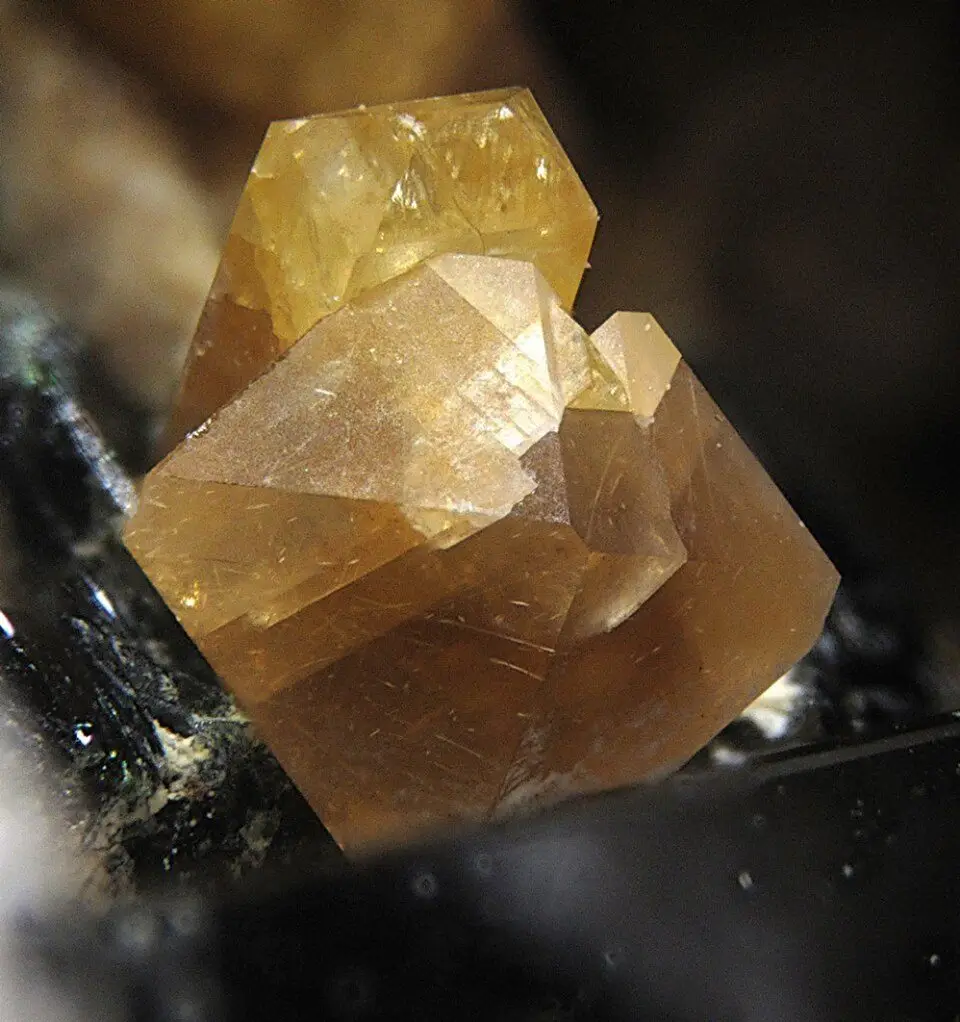
Reference specimen · Solarence, CC BY-SA 4.0
Energy
Sample dataUranium fuels nuclear reactors. Demand is rising with new builds, life extensions and interest in small modular reactors, while supply is concentrated in Kazakhstan, Canada, Namibia and Australia. Namibia is the world's #3 producer (Husab, Rössing, Langer Heinrich) and Niger was a major source until the 2023 coup and the 2025 nationalisation of SOMAÏR. Uranium is a nuclear material, so it can only be bought and sold by licensed parties under state and IAEA controls.
Controlled supply
This mineral is subject to nuclear material — licensed parties only, radioactive cargo handling. Offers are published only after ARAM has reviewed the supporting documents, and some details are visible to verified companies only.
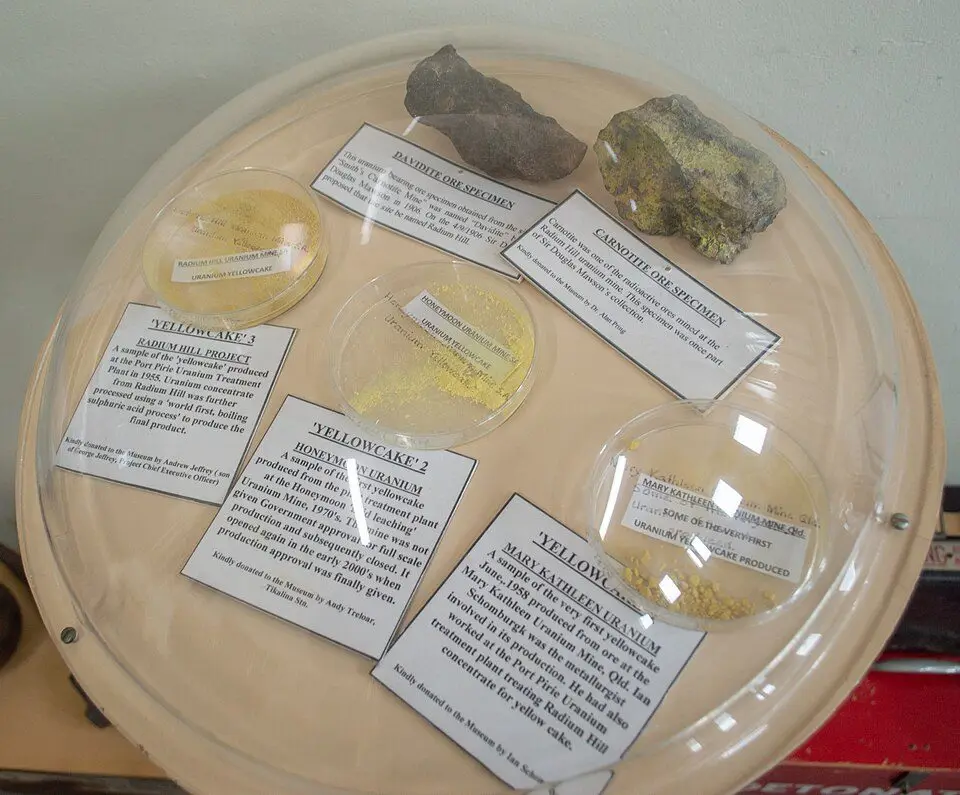
Uranium ore concentrate (UOC)
Unit: lb · HS 2612.10
U3O8 'yellowcake', ≥65–85% U; specification ASTM C967; shipped in sealed 200 L drums
Downstream (outside Africa): conversion to UF6, enrichment, fuel fabrication
Unit: lb · HS 2844.10
ARAM sourcing assessment
Include as research and an information page, not an open listing. The platform can connect licensed utilities and traders with Namibian developers seeking offtake, with enquiry-only and licence-verified access. Listing status: Not offered publicly (licensed counterparties by enquiry).
Namibia
Husab (Swakop Uranium / CGN — 5,232 t U3O8 in 2024), Rössing (CNNC, life extended to 2036), Langer Heinrich (Paladin, restarted 2024); projects: Tumas (Deep Yellow), Etango (Bannerman)
Niger
SOMAÏR (nationalised June 2025), Imouraren (licence withdrawn 2024), Dasa (GoviEx — licence withdrawn 2024)
South Africa
by-product), Malawi (Kayelekera restart by Lotus), Tanzania (Mkuju River, Rosatom-backed
| Year | Country | HS | Value | Net weight |
|---|---|---|---|---|
| 2024 | Namibia | 2612 | $1.10bn | — |
| 2023 | Namibia | 2612 | $777.7m | 7.5 kt |
| 2023 | Niger | 2612 | $204.4m | 1.6 kt |
| 2024 | South Africa | 284410 | $58.6m | 292 t |
| 2023 | South Africa | 284410 | $26.9m | 218 t |
Mirror data fills gaps where exporters report late or incompletely.
| Year | Buyer | Origin | HS | Value | Net weight |
|---|---|---|---|---|---|
| 2024 | China | Namibia | 284410 | $702.4m | 6.5 kt |
| 2023 | China | Namibia | 284410 | $602.9m | 5.7 kt |
| 2024 | USA | Namibia | 2612 | $82.4m | 496 t |
| 2024 | USA | South Africa | 284410 | $34.5m | 151 t |
| 2023 | USA | South Africa | 284410 | $5.1m | 27 t |
Source: UN Comtrade (public data). Values in US$.
Minerals trade on formula prices: a published benchmark × metal content × payable percentage, less treatment charges and impurity penalties, settled on independent assay. Payment is typically by documentary letter of credit, with 90–95% provisional payment against shipping documents and the balance on final assay.
Request terms for UraniumCross-border
Permit / licence
Licences from the national nuclear regulator (e.g. Namibia's NRPA) for possession and export; IAEA safeguards and NPT obligations; Nuclear Suppliers Group export controls; end-user and government-to-government assurances
Authority: NRPAPrimary source
Niger
No special restriction
nationalisation of SOMAÏR; dispute with Orano over stockpiled UOC
Primary source
Cross-border
Permit / licence
Only utilities, converters and licensed traders can take title
Primary source
Namibia (#3 global producer): Husab (Swakop Uranium, CGN) 5,232 t U3O8 in 2024; Rössing (CNNC) life extended to 2036; Langer Heinrich (Paladin) restarted 2024. Niger nationalised SOMAÏR (Orano 63%) in June 2025 amid dispute. Trade is restricted to licensed parties: IAEA safeguards, national nuclear-regulator export/import licences, NSG guidelines; physical protection and Class 7 transport rules. Product: uranium ore concentrate (U3O8 'yellowcake', ASTM C967).
Source 1 · world-nuclear.orgSource 2 · namibianuranium.orgSource 3 · aljazeera.comSource 4 · theextractormagazine.com
Research compiled September 2026 from USGS, UN Comtrade, producer and regulator publications. Facts marked “reported” come from secondary sources and should be confirmed before contracting.
On the ground · Uranium
The mines and districts that define supply, with their operators. They are shown for geographic context: third-party operations, not ARAM sites, and not the source of any particular lot. Ownership and status as publicly reported in 2026.
Producing mineNamibia
Operated by China National Nuclear Corporation
A large open-pit uranium mine in the Namib Desert, operating since 1976 with life extended to 2036.
Photo: IAEA Imagebank · CC BY-SA 2.0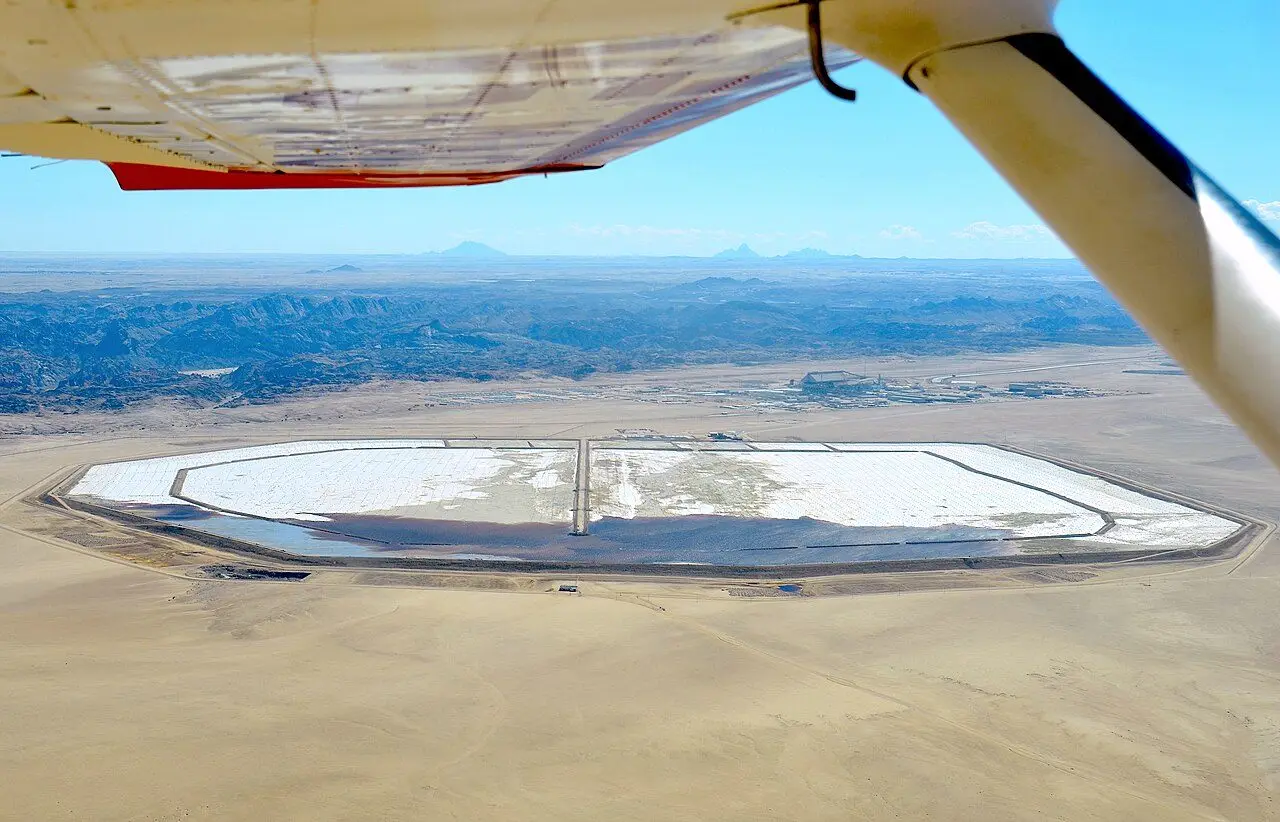 Producing mine
Namibia
Operated by Swakop Uranium (CGN)
One of the world's largest uranium mines, near Swakopmund.
Photo: Olga Ernst & Hp.Baumeler · CC BY-SA 4.0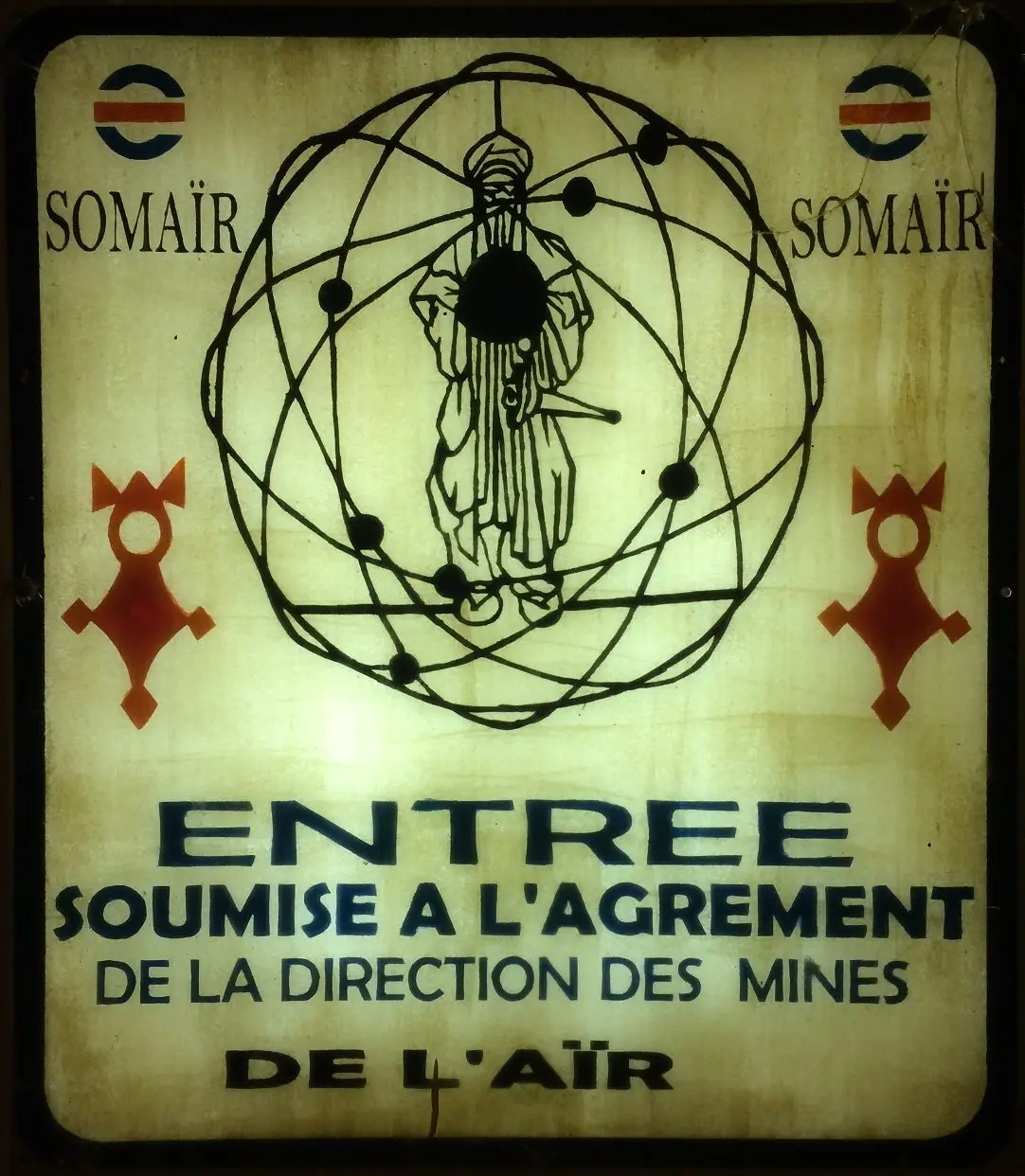 Mining district
Niger
Operated by SOMAÏR (nationalised by Niger in 2025)
The uranium mining town of the Aïr region; SOMAÏR was nationalised in June 2025 after a dispute with Orano.
Photo: NigerTZai · CC BY-SA 4.0Solarence, CC BY-SA 4.0
Didier Descouens, CC BY-SA 4.0
Robert M. Lavinsky, CC BY-SA 3.0
Weirdmeister, CC BY-SA 4.0
Henk Smeets – tomeikminerals.com, CC BY 4.0
IAEA Imagebank, CC BY-SA 2.0
Darla Sondrol, CC0
Reference specimens of the ore minerals and products, from public collections. They illustrate the material, not a specific ARAM lot or source.