Compliance · Radioactive cargo
Naturally radioactive cargo.
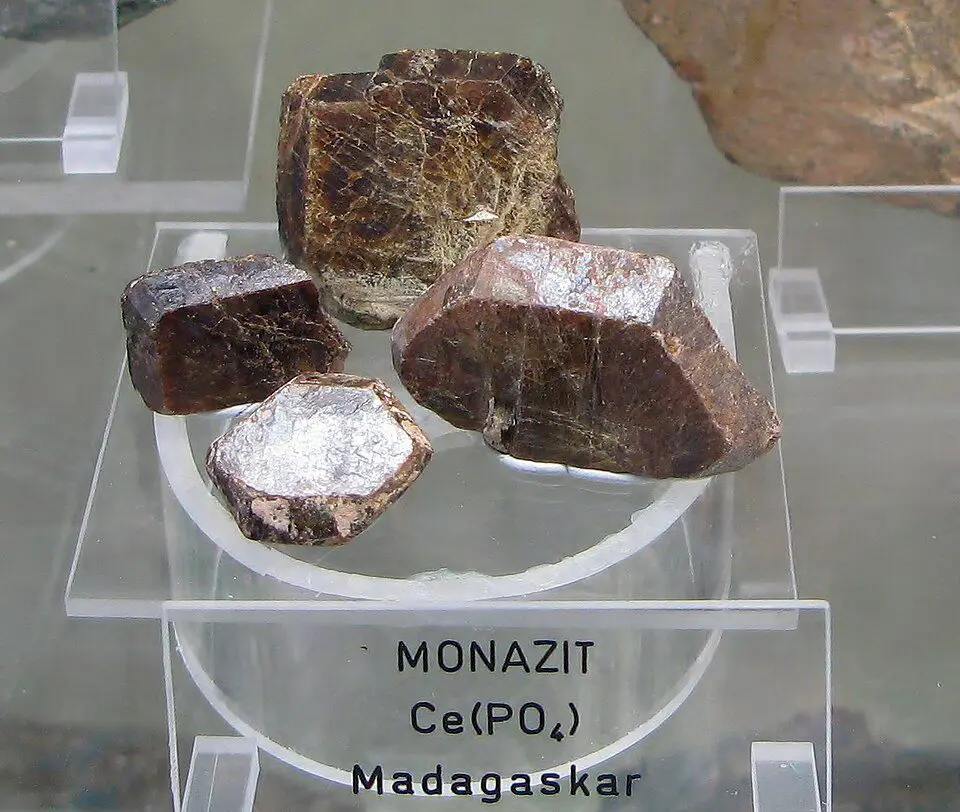
Several minerals carry natural uranium and thorium: monazite and other rare-earth concentrates, some tantalum concentrates, mineral-sand streams and uranium itself. Above set activity levels they ship as Class 7 dangerous goods.
- Applies to
- 4 minerals
- Reviewed
- September 2026
01
Which minerals
| Mineral | Why |
|---|---|
| Rare-earth concentrates | Monazite and some other rare-earth minerals contain thorium and uranium |
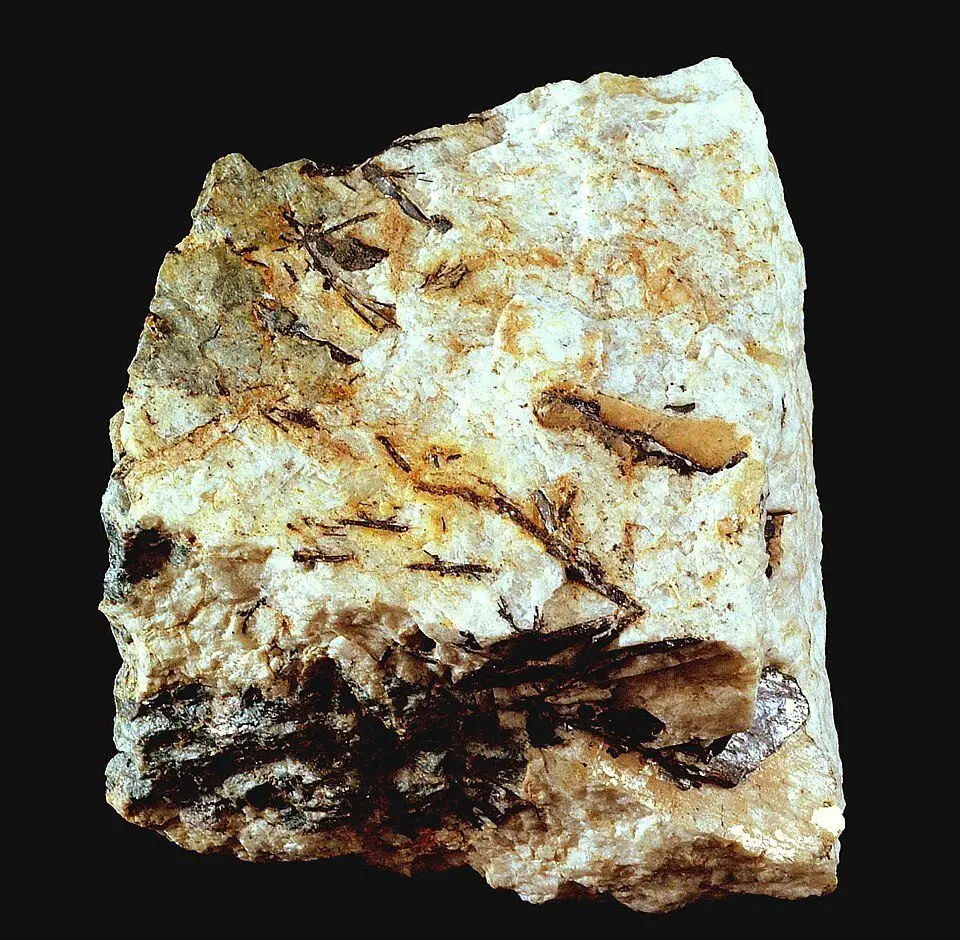
| Tantalum | Some columbite-tantalite concentrates exceed transport thresholds |
| Zircon and titanium sands | Trace uranium and thorium; monazite by-product streams |
| Uranium | Always Class 7 |
02
What applies
- Shipments are classified under the IAEA Regulations for the Safe Transport of Radioactive Material (SSR-6), as adopted in national law and the IMDG Code.
- Material above the exemption levels ships as Class 7 — usually as low specific activity material — with labelling, documentation and carrier acceptance.
- Not every shipping line or port accepts Class 7 cargo, which narrows routing options.
- A radiation survey of the lot is part of the offer file.
Last reviewed September 2026. Rules change — confirm before you contract.
Minerals this applies to
 #03
#03Rare earths
Rare Earths — Light (NdPr) Nd, Pr
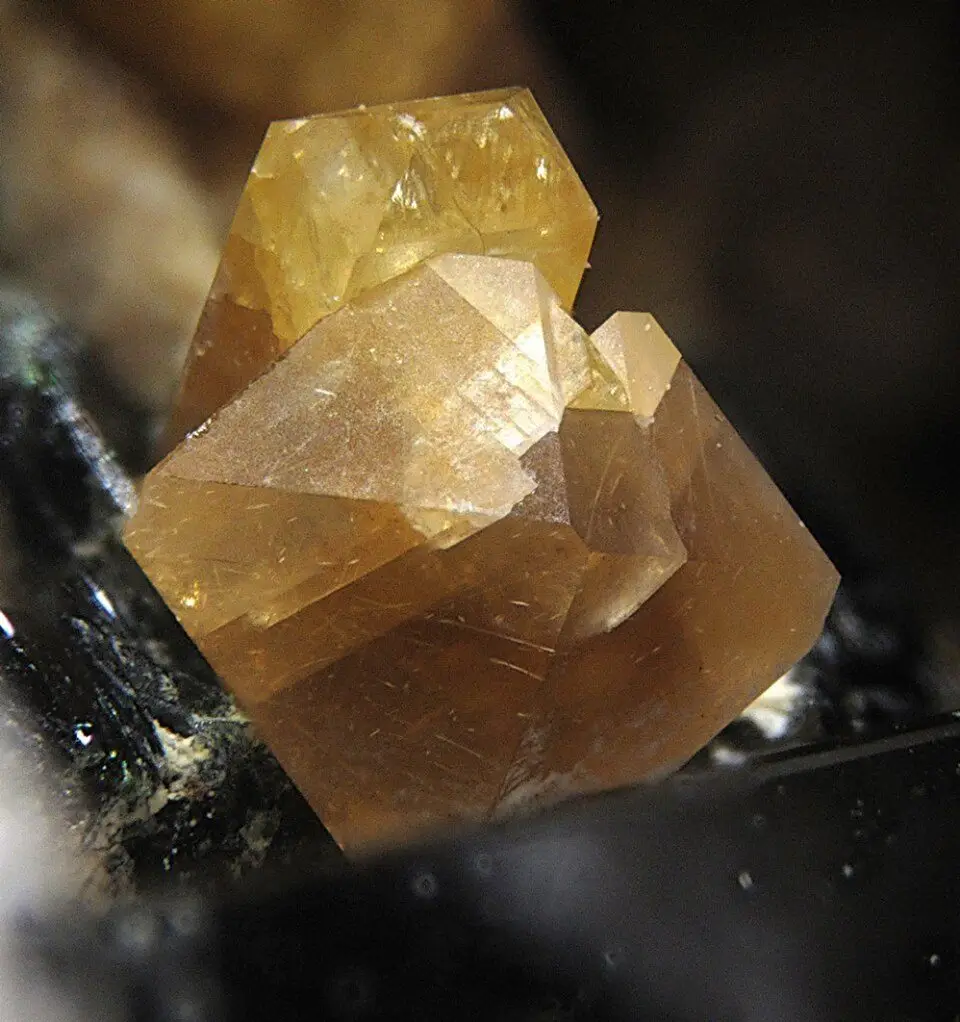
The light rare earths neodymium (Nd) and praseodymium (Pr), traded together as 'NdPr', are the key ingredients of NdFeB permanent magnets used in EV motors, wind turbines, robotics, drones and defence systems. China controls about 60–70% of mining and around 90% of separation and magnet making, and has used export controls since 2023–25. Africa has a strong pipeline of carbonatite and monazite deposits, mostly in construction or development in 2026. Early African output will be concentrate or mixed carbonate, not separated oxide.
- Supply
- Pre-production pipeline
- Assay
- Independent — required
- Origin
- Verified per offer
Rare earths
Rare Earths — Heavy (Dy, Tb) Dy, Tb
The heavy rare earths dysprosium (Dy) and terbium (Tb) are added to NdFeB magnets so they keep working at high temperatures, as in EV motors and military systems. They are far scarcer than NdPr. China, plus Myanmar ionic clays processed in China, supplies almost all of them, and China restricted Dy/Tb and other medium/heavy REEs from April 2025. Africa's best heavy-REE prospects are Lofdal (Namibia, xenotime) and Makuutu (Uganda, ionic clay).
- Supply
- Pre-production pipeline
- Assay
- Independent — required
- Origin
- Verified per offer
 #06
#063TG conflict minerals
Tantalum (Coltan) Ta
Tantalum is used for capacitors in phones, laptops and cars, and in aerospace superalloys, medical implants and sputtering targets. Its ore, coltan (columbite-tantalite), comes mainly from the African Great Lakes region: the DRC and Rwanda together supply about 60% of the world's mined tantalum, much of it artisanal. Tantalum is one of the four 'conflict minerals' (3TG), and eastern DRC conflict (M23's control of Rubaya since 2024) makes due diligence decisive.
- Supply
- Contract — verified 3TG supply only
- Assay
- Independent — required
- Origin
- Verified per offer
Energy
Uranium U
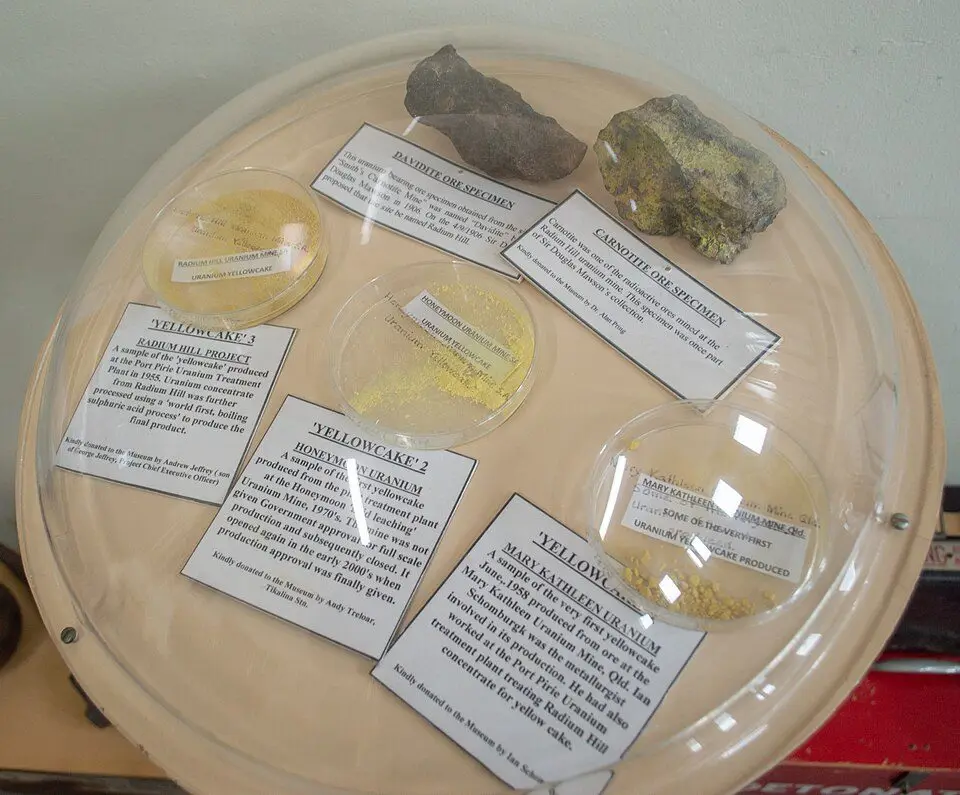
Uranium fuels nuclear reactors. Demand is rising with new builds, life extensions and interest in small modular reactors, while supply is concentrated in Kazakhstan, Canada, Namibia and Australia. Namibia is the world's #3 producer (Husab, Rössing, Langer Heinrich) and Niger was a major source until the 2023 coup and the 2025 nationalisation of SOMAÏR. Uranium is a nuclear material, so it can only be bought and sold by licensed parties under state and IAEA controls.
- Supply
- Information only — licensed counterparties by enquiry
- Assay
- Independent — required
- Origin
- Verified per offer